Bengaluru Metro Expansion May Lead to Felling Over 11000 Urban Trees
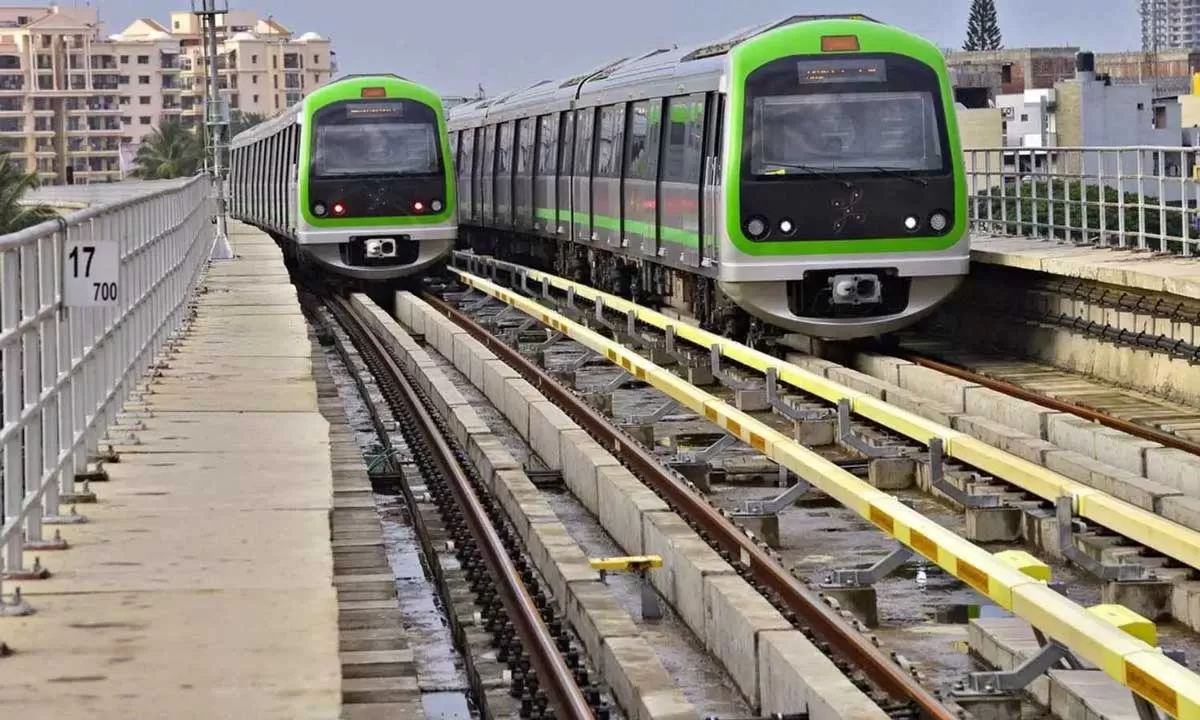
Bengaluru’s long-awaited Metro Phase-3 expansion, intended to ease congestion and support sustainable transport, may come at a significant environmental cost. According to initial project estimates, more than 11,000 trees could be affected during the construction of new elevated corridors spanning areas such as JP Nagar, Kempapura, Hosahalli, and Kadabagere. While city officials argue that the project is essential to meet rising mobility needs, environmentalists and local communities are voicing concerns about the irreversible damage to Bengaluru’s rapidly shrinking green cover.
The proposed routes, which are expected to connect underserved zones and increase metro coverage to peripheral areas, will traverse some of the city’s remaining tree-lined streets and urban ecosystems. Despite efforts to design the corridors with minimal ecological disruption, the scale of felling required has triggered a debate about infrastructure versus environment. Experts point out that Bengaluru has already witnessed a sharp decline in canopy density over the past decade, with rising heat levels, increased flooding, and declining air quality as visible consequences. Removing thousands of mature trees could further intensify these climate-related risks. Planners have proposed compensatory afforestation to mitigate the impact, but critics argue that sapling plantations cannot replace the ecological value of century-old trees.
Replanted trees take decades to offer similar biodiversity, cooling, and carbon sequestration benefits. Local residents are also raising alarm over the lack of accessible public consultations prior to project clearances. There are calls for greater transparency, real-time mapping of affected green zones, and independent environmental audits to ensure that mitigation is not merely symbolic. A more inclusive approach, some argue, could yield solutions such as rerouting or adopting less invasive construction techniques. City transport authorities maintain that Phase-3 is crucial to relieving pressure from Bengaluru’s road networks, which suffer from some of the worst traffic bottlenecks in the country. The new corridors are projected to reduce emissions from private vehicles, lower commuting time, and improve connectivity for thousands of daily passengers.
However, balancing climate-resilient infrastructure with ecological preservation remains a complex challenge. In a city already grappling with erratic monsoons, groundwater stress, and urban heat, every tree lost represents more than an environmental statistic—it reflects a compromised future for livability. As Bengaluru pushes forward with its ambitious metro expansion, it must reconcile infrastructure goals with its fragile ecological balance. While improved public transit is essential for sustainable urban growth, sacrificing over 11,000 trees could erode long-term climate resilience. Protecting mature urban green cover is not a luxury but a necessity. The city’s planners and residents now face a critical juncture: to build not just quickly, but wisely—with nature as an ally, not collateral.