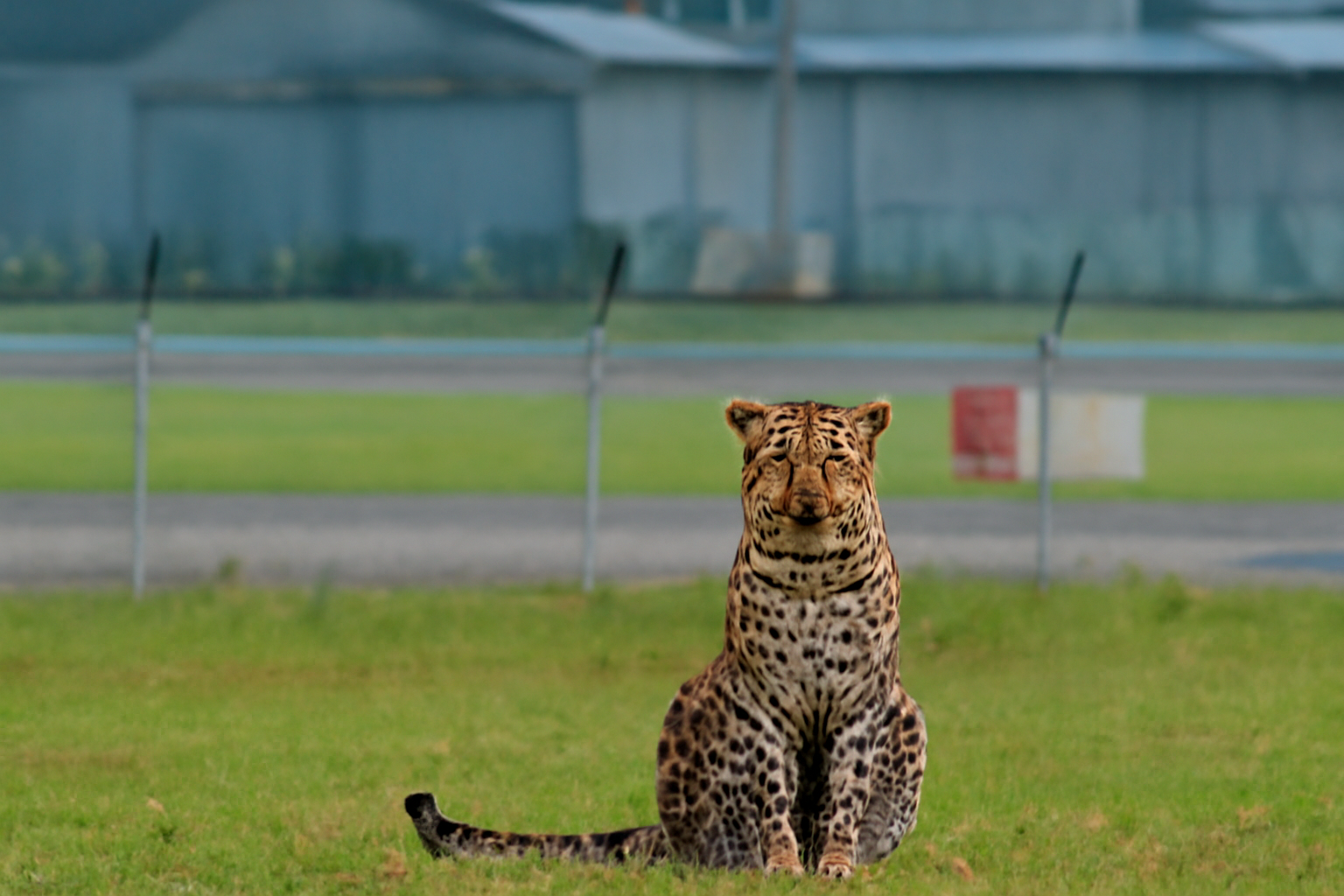
Pune Airport's Elusive Leopard Outsmarts New Capture Plans
Despite several months of relentless efforts by the forest department and other rescue teams, the leopard spotted at Pune International Airport remains at large. The big cat, which was first seen near the airport runway in April, has proven to be exceptionally difficult to capture, leading the authorities to revise their strategies.
The elusive animal’s ability to avoid traps and detection has raised suspicions that it is ‘trap-savvy’—a skill that may have been honed through previous encounters with capture attempts. The initial sighting of the leopard on April 13, when it was seen calmly resting near the runway, triggered immediate action from the Pune forest department in collaboration with RESQ Charitable Trust. In the early stages, the team set up two trap cages, and later increased their efforts by deploying nine camera traps and bringing in dog squads. Despite the expanded surveillance, the leopard continues to evade capture.
Forest officials have begun to suspect that the animal has outsmarted the conventional traps, suggesting it might have been caught before, possibly in a previous encounter, leading it to become more cautious. Adding to the challenge is the presence of underground tunnels beneath the airport, which complicate both the positioning of traps and the tracking of the animal. While the initial stages of the operation were hindered by national security concerns related to Operation Sindoor, which restricted access to key areas of the dual-use airport, operations resumed on May 17 after a fresh sighting. The leopard’s stealth and adaptability have made its capture even more difficult. Despite intensified efforts, including thermal drone surveillance and coordination with airport authorities, the leopard has proven adept at navigating the sprawling airport complex, including a complex stormwater drain system beneath the premises.
Forest officials now face a range of operational challenges. One forest official, speaking on the condition of anonymity, commented, “This is not a typical forest operation. We are working within the constraints of an airport, which requires coordination with airport authorities at every step. The presence of underground tunnels, combined with the animal’s ability to change its location frequently, has made the task much harder.” The possibility of darting and sedating the leopard has been ruled out, as it would risk the animal retreating into the tunnels before recovery could be attempted. “This isn’t just a matter of capturing the animal; it’s about ensuring the safety of both the public and the animal itself,” another forest official explained.
Despite the setbacks, the authorities are continuing to refine their strategy. New specially-designed cages are being placed near areas believed to be frequent paths of the leopard, with particular attention paid to tunnel openings. By aligning the traps with these locations, officials are hoping to increase the chances of success. The Pune airport authorities have reassured the public that there have been no incidents or disruptions to operations so far. “The safety of everyone involved remains our priority, and we are committed to ensuring the safe and humane capture of the leopard,” a spokesperson stated.
With operational limitations still affecting rescue efforts and the challenges of working within the sensitive airport environment, the leopard continues to remain elusive. However, the determination of the forest department remains unwavering. The ongoing efforts highlight the complexity of wildlife rescue operations in urban settings, where human-wildlife conflict often complicates traditional methods of animal capture. As the operation unfolds, the focus remains not only on the capture of the leopard but also on ensuring that the approach is both safe and effective, keeping the long-term safety of both wildlife and people in mind. The coming weeks will determine whether the new strategies will finally yield results, or if the leopard will continue to outsmart its pursuers.