


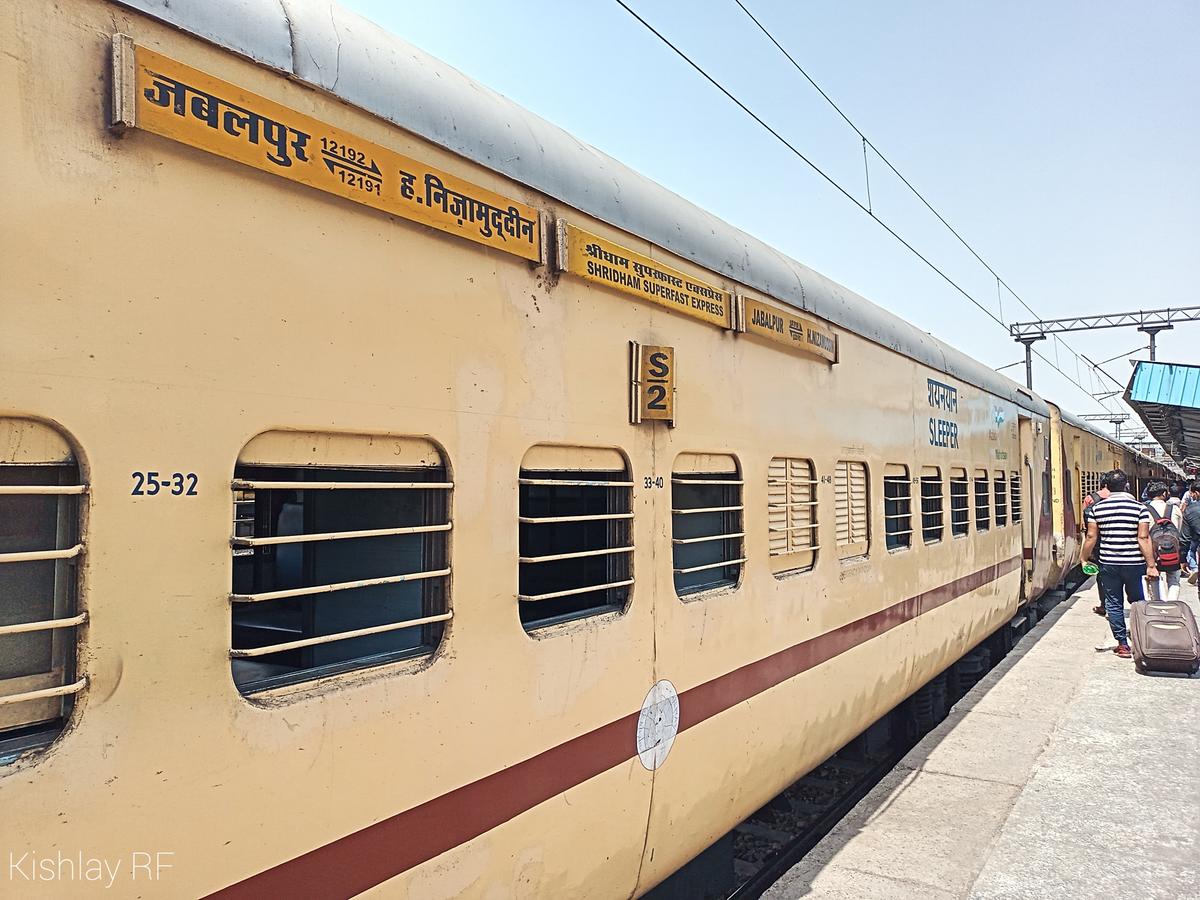
Indian Railways is undertaking crucial infrastructure development works at key junctions, leading to temporary adjustments in train schedules. This strategic initiative, involving Pre-Non-Interlocking (Pre-NI) and Non-Interlocking (NI) work at Durgapur and Mathura railway stations, is essential for modernising the network. While these upgrades necessitate the cancellation of the Howrah-Bhopal-Howrah train for one trip and the diversion of the Nizamuddin-Jabalpur Shridham Express, they are pivotal steps towards a more efficient, safe, and sustainable rail future for the nation.
The decision by the Railway Administration to carry out these intensive infrastructure development works underscores a commitment to long-term operational excellence. Pre-NI and NI work involves critical modifications to signalling and track systems, which are fundamental for enhancing train movement, reducing bottlenecks, and improving overall safety across the vast network. These upgrades are vital for accommodating future traffic growth and ensuring the reliability of rail services, which are inherently more eco-friendly and energy-efficient than other modes of transport.
The temporary cancellation of the Howrah-Bhopal train (number 13025 from Howrah on September 15, 2025, and number 13026 from Bhopal on September 17, 2025) is a direct consequence of the necessary work at Durgapur Railway Station in Asansol Division. Similarly, the diversion of the Hazrat Nizamuddin-Jabalpur Shridham Express (train number 12191 and 12192, departing on August 1, 2025) via an alternative route around Mathura Junction is required for rail line connectivity work in Agra Division. These adjustments, though impacting passenger journeys, are planned to minimise inconvenience while ensuring the integrity of the ongoing projects.
Such infrastructure enhancements are critical for fostering sustainable urban and inter-city mobility. By investing in modern rail systems, the railways contribute significantly to reducing the national carbon footprint, as trains are a low-emission mode of transport, especially when electrified. Furthermore, improved rail connectivity promotes equitable access to economic opportunities and social services across diverse regions, benefiting a wide spectrum of the population, including those in remote areas.
Ultimately, these strategic upgrades are a testament to Indian Railways’ commitment to building a robust and future-ready transportation backbone. While the temporary disruptions may pose challenges for some travellers, the long-term benefits of enhanced safety, increased efficiency, and a more sustainable transport network far outweigh these short-term inconveniences. The continuous modernisation of the rail system is a vital component of India’s journey towards a zero net carbon, eco-friendly, and equitably connected future.
Also Read :Mumbai’s Byculla Station Hosts Heritage Mahotsav With Victorian‑Era Railway Legacy Exhibition
