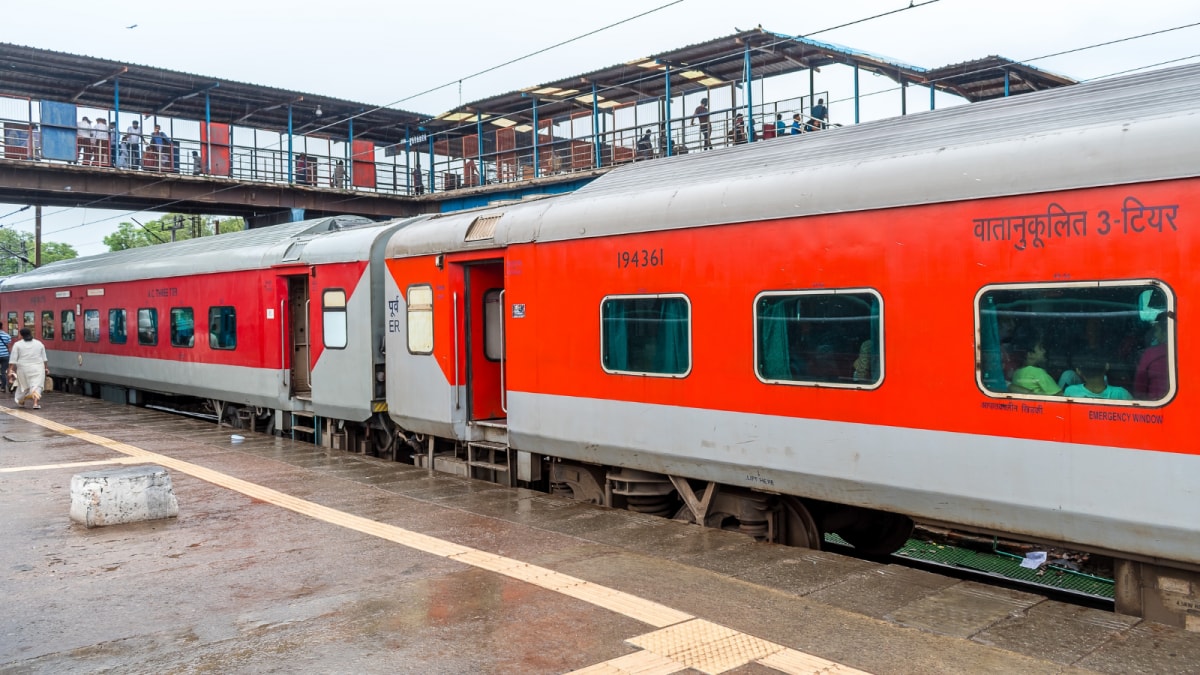
New Delhi Streamlines Emergency Train Bookings To Aid Passengers
Indian Railways has revised its emergency quota booking rules, mandating earlier submissions from passengers and officials in a significant move to enhance transparency and ease travel anxiety. The decision, aimed at improving chart preparation timelines, seeks to reduce uncertainty for thousands relying on last-minute rail travel. Officials say this overhaul is part of broader efforts to make rail travel more predictable, passenger-friendly, and operationally efficient, especially amid ongoing pressures to ensure fair access to tickets in urgent situations.
The updated guidelines now require all requests for emergency quota (EQ) seats to be submitted the day before the journey. For trains departing between midnight and 2 pm, requests must reach the EQ cell by 12 noon the previous day. For those scheduled between 2:01 pm and 11:59 pm, the cut-off is 4 pm. This marks a clear departure from previous practices where same-day submissions were often entertained, creating bottlenecks in reservation charting and causing cascading delays. Officials note that the new system prioritises predictability and discourages misuse of the EQ mechanism by influential parties.The move comes after growing concerns over delayed chart preparations affecting waiting list confirmations and last-minute travel decisions. While EQ seats were originally meant for passengers facing medical crises, railway staff in transit, and essential personnel, they had increasingly become susceptible to misuse.
By enforcing a strict deadline, authorities aim to ensure the quota is utilised judiciously and equitably, without disrupting broader travel plans. The new rules also apply to weekends and holidays, with requests needing to be filed during office hours on the last working day prior to travel. This reform is expected to particularly benefit common travellers, especially those on waitlisted tickets, who can now know their journey status well ahead of departure. With reservation charts now being prepared eight hours before scheduled departure, passengers can plan more reliably. Officials added that this change not only supports passengers but also contributes to better punctuality of trains by preventing last-minute delays caused by rushed EQ allocations. It also reduces pressure on the reservation cells, allowing them to function with greater diligence and fairness.
Railway officials have also urged all forwarding authorities—often departments or senior personnel sending EQ requests—to rigorously verify the genuineness of applicants. They emphasised strict adherence to the new timings and compliance with existing guidelines. This shift is aligned with Indian Railways’ ongoing mission to modernise its operations while making the system more accessible and equitable. Passengers and public transport advocates view the policy as a long-overdue step towards removing bureaucratic opacity and promoting a more inclusive approach to urgent ticket allocation.