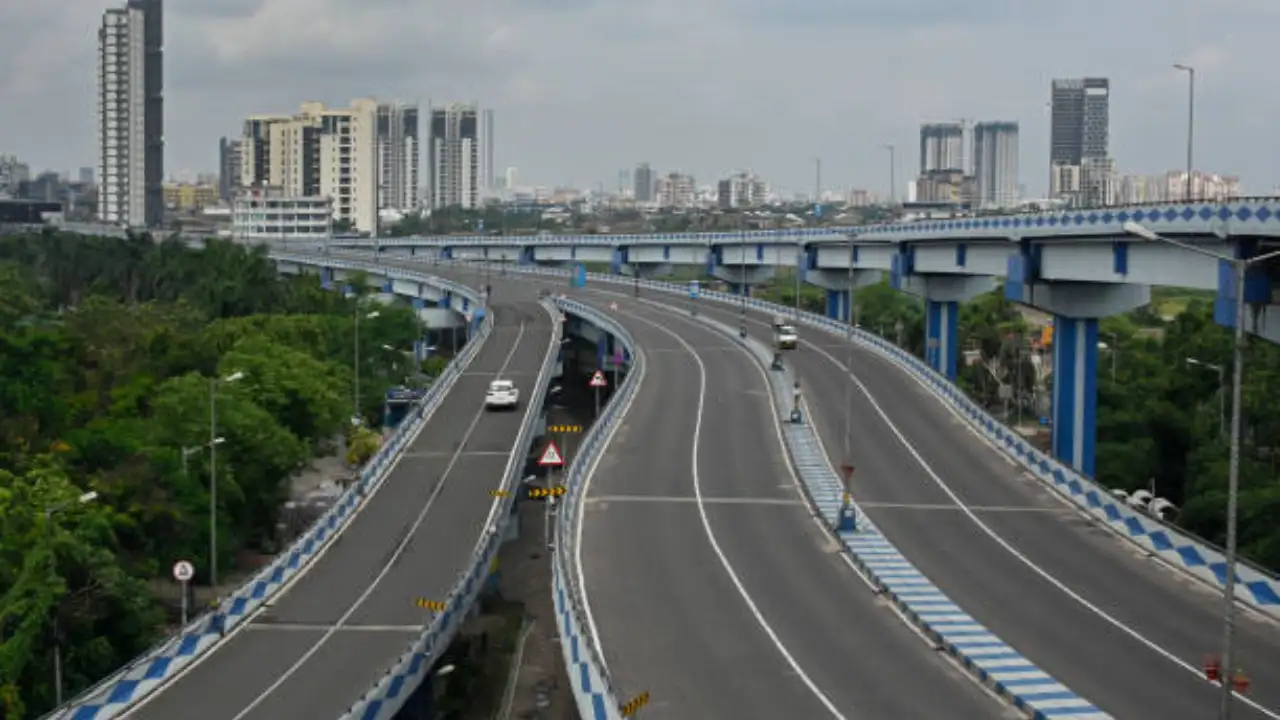
Greater Noida Plans 3 Km Link Road To Ease Airport Travel
A direct road corridor is being planned to connect Greater Noida with the upcoming Noida International Airport in Jewar, aiming to reduce congestion and improve regional access. The 3-km missing stretch between Greater Noida and Rampur Majra will bridge two major arterial roads, providing seamless connectivity for residents of Greater Noida, Greater Noida West, and Ghaziabad. Officials believe this new route will significantly ease pressure on the Yamuna Expressway and benefit commuters, businesses, and the airport’s cargo ecosystem.
The proposed link road is expected to enhance traffic flow by connecting Greater Noida’s 130-metre-wide road, which currently runs from Char Murti Chowk to Sirsa village, with the Yamuna Expressway Industrial Development Authority’s 120-metre-wide road at Rampur Majra. Once operational, this connection will become a critical alternative route for those travelling to the Noida International Airport, especially from densely populated residential sectors and commercial hubs. Officials highlight that the region has witnessed rapid growth, creating renewed urgency to close the infrastructure gap. This 3-km patch, previously delayed due to land acquisition hurdles, is now receiving renewed focus. Authorities have confirmed that land procurement will resume soon, given the rapid urbanisation in the vicinity.
The enhanced road network is set to strengthen the transport grid across western Uttar Pradesh, supporting both airport connectivity and local economic expansion. Plans also include building an underpass near Sirsa village to facilitate uninterrupted traffic under the Eastern Peripheral Expressway. In addition to easing passenger travel, the link is likely to benefit industrial zones such as Ecotech 11 and residential sectors including Omicron 1A and Sigma III and IV. These areas, expected to play a central role in the airport-linked economic corridor, will gain improved last-mile access, encouraging private investment and urban densification. The upcoming infrastructure may also improve commute times for thousands of daily travellers from Ghaziabad and Greater Noida West.
Once completed, this direct route to the Noida International Airport is likely to catalyse long-term growth in the region by reducing travel time, improving cargo movement, and supporting integrated urban planning. Experts believe that such projects—if implemented efficiently—can drive sustainable development in growing cities, while balancing regional accessibility with economic growth.