Mapusa Ramps Up Water Supply Network Amid Rising Urban Demand
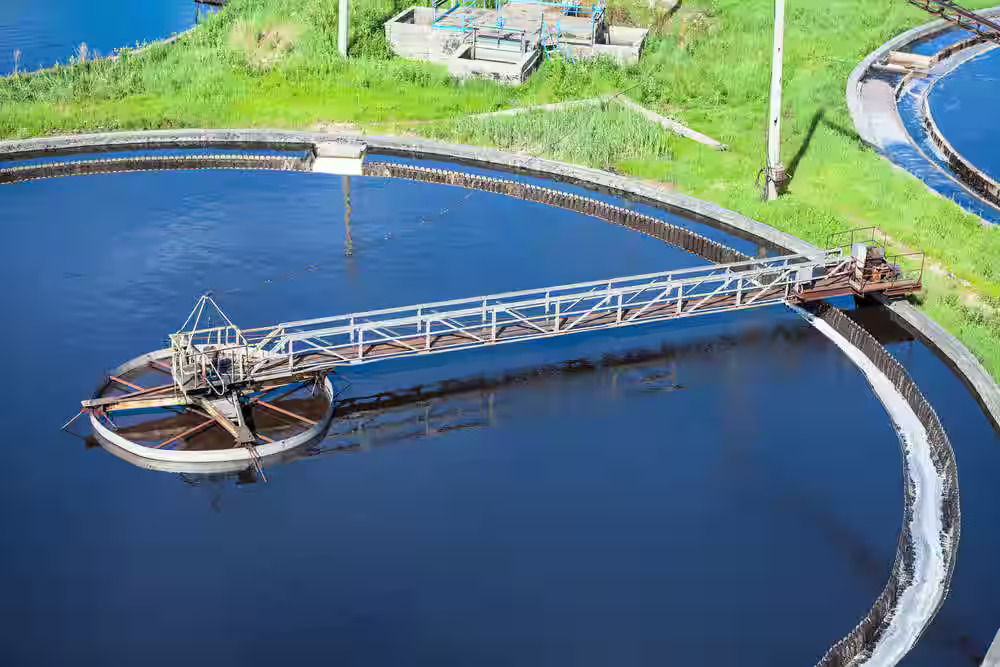
The water treatment capacity in Goa’s Bardez taluka is being significantly upgraded, as part of state efforts to address a growing water demand and uneven supply hours in towns like Mapusa, Porvorim, and surrounding villages. Officials confirmed that over 50 million litres per day (MLD) of additional capacity is being added through five ongoing projects. These include expansions of existing treatment plants, new water infrastructure, and enhanced reservoir systems. While Goa’s per capita water supply is above the national average, authorities say shortfalls persist and investments in smart metering and zoning are now under consideration.
Ongoing works include a 30MLD augmentation of the Assonora water supply system, as well as the addition of a 2.5MLD pressure filter and new pumps to Porvorim’s existing plant. Construction of new treatment plants has begun at Pilerne Industrial Estate (15MLD) and in Siolim (5.6MLD). To strengthen distribution, three overhead reservoirs of 650 cubic metres each are coming up in Karaswada and Mapusa under the AMRUT 2.0 scheme, along with a 2,000 cubic metre sump at Mapusa town. Officials say these will relieve pressure on ageing pipelines and uneven distribution in fast-growing urban pockets of North Goa. Goa currently faces a shortfall of 62MLD in drinking water supply against a daily demand of 695MLD. Officials attribute this to the sharp rise in non-domestic use and tourism-driven floating populations.
Despite supplying over 135 litres per capita daily in urban areas—above national norms—the state struggles with inconsistent supply hours, which range from two to 24 hours depending on location. Only 26.5% of households currently enjoy round-the-clock water access, a figure the government hopes to improve with better infrastructure, zoning, and new pipeline routes. While much of the investment is physical, digital upgrades are also being explored. Officials confirmed that the state is actively considering installing smart water meters to track consumption more accurately, reduce water loss, and encourage accountability among users. These meters would provide real-time usage data to both utilities and residents.
The state also plans to expand zoning efforts to manage flow and pressure more effectively in specific localities, especially in hilly or remote villages where water loss is higher. Authorities expect these changes to bring equitable access across talukas, cutting down wastage and enhancing transparency. With infrastructure expansion across Bardez now underway, the state’s focus is shifting from quantity to quality and accountability. Residents in Mapusa and Porvorim have long faced irregular water supply, despite the state boasting one of the highest per capita distributions in India. If completed on schedule, the new systems promise not just more water, but smarter, fairer, and more sustainable delivery. While concerns remain about ageing pipelines in older wards, the government’s current approach appears to align with broader national goals of water equity, digital infrastructure, and efficient urban services.