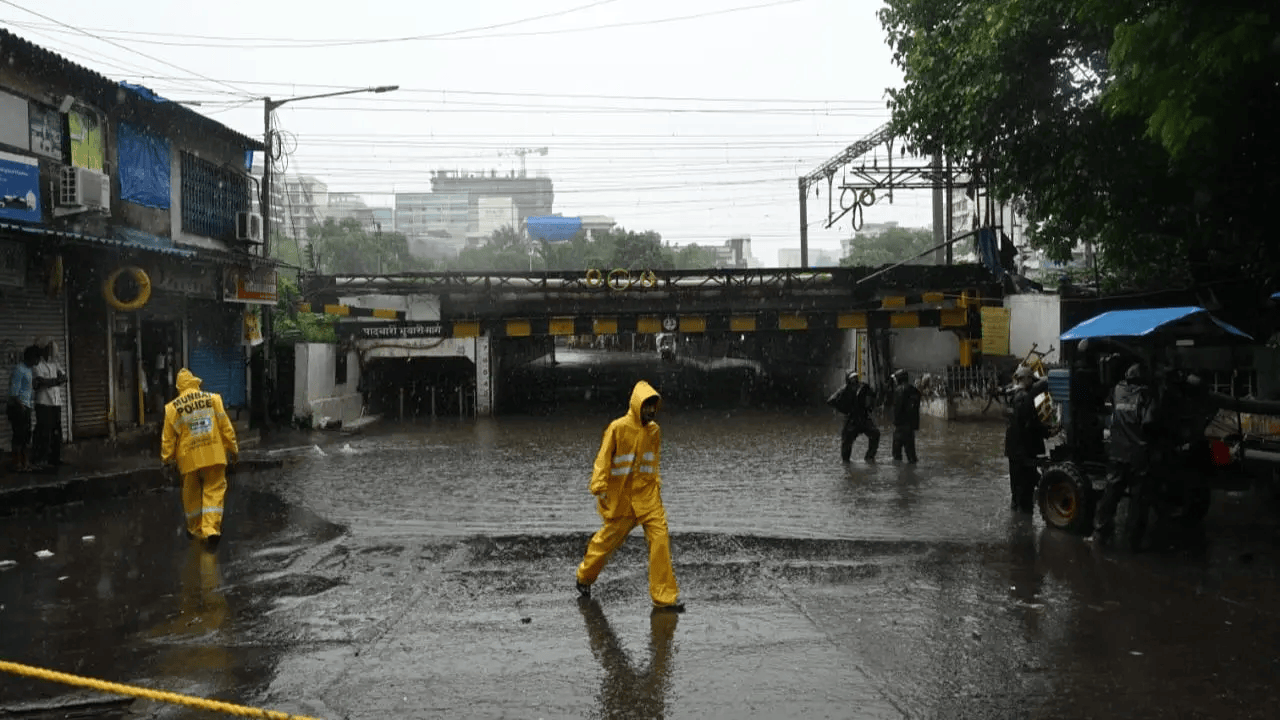
Mumbais Andheri Subway Closed Due to Waterlogging Amid Heavy Rains
Heavy monsoon rains lashed Mumbai on Tuesday, leading to significant waterlogging across several low-lying areas and severely disrupting vehicular movement. The India Meteorological Department (IMD) has issued an orange alert for the city and its suburbs, underscoring the intensity of the downpour. This recurring challenge highlights the critical need for Mumbai to bolster its climate-resilient urban infrastructure, ensuring sustainable mobility and equitable access for all citizens, particularly during the intense monsoon season, as climate change intensifies extreme weather events.
The impact of the incessant rainfall was immediately felt across key arteries. The Andheri Subway, a crucial underpass, was compelled to shut down due to approximately two feet of water accumulation, redirecting traffic via the Gokhale Bridge and Thackeray Bridge. Motorists reported considerable delays on both the Eastern Express Highway and Western Express Highway during the peak morning rush, causing widespread commuter distress. This frequent paralysis of transportation networks during monsoon exposes the city’s vulnerability and the pressing need for advanced urban drainage systems capable of handling increased precipitation volumes.
Airlines, including a prominent low-cost carrier, issued travel advisories, warning passengers of potential delays or changes to flight schedules at Chhatrapati Shivaji Maharaj International Airport. This cascade effect of urban flooding on air travel underscores the interconnectedness of Mumbai’s infrastructure and the broader economic implications of monsoon disruptions. Such advisories highlight the need for robust contingency planning across all sectors, ensuring that critical services remain resilient even in the face of extreme weather.
The IMD’s alerts extend beyond Mumbai, with an orange alert for parts of the Konkan region and ghat areas of Western Maharashtra, including Raigad, Ratnagiri, Sindhudurg, Satara, and Kolhapur, forecasting heavy to very heavy rainfall. A yellow alert for Mumbai, Palghar, Thane, Nashik, and Pune indicates a broader regional challenge. These intensifying weather patterns, exacerbated by climate change, necessitate comprehensive and proactive urban planning that integrates sustainable drainage solutions and prioritises the protection of vulnerable communities.
Mumbai’s persistent battle with monsoon waterlogging underscores the urgent demand for investment in climate-resilient infrastructure, as highlighted by various urban planning experts and international bodies. Solutions such as permeable pavements, expanded stormwater drain networks, and advanced dewatering pumps with real-time monitoring capabilities are essential. Furthermore, the city must strategically implement nature-based solutions and improve early warning systems to mitigate the impact of flooding. Building a truly sustainable and equitable Mumbai requires a concerted effort to create a city where monsoon challenges do not disproportionately affect any segment of the population, ensuring dignified and safe transit for everyone.