


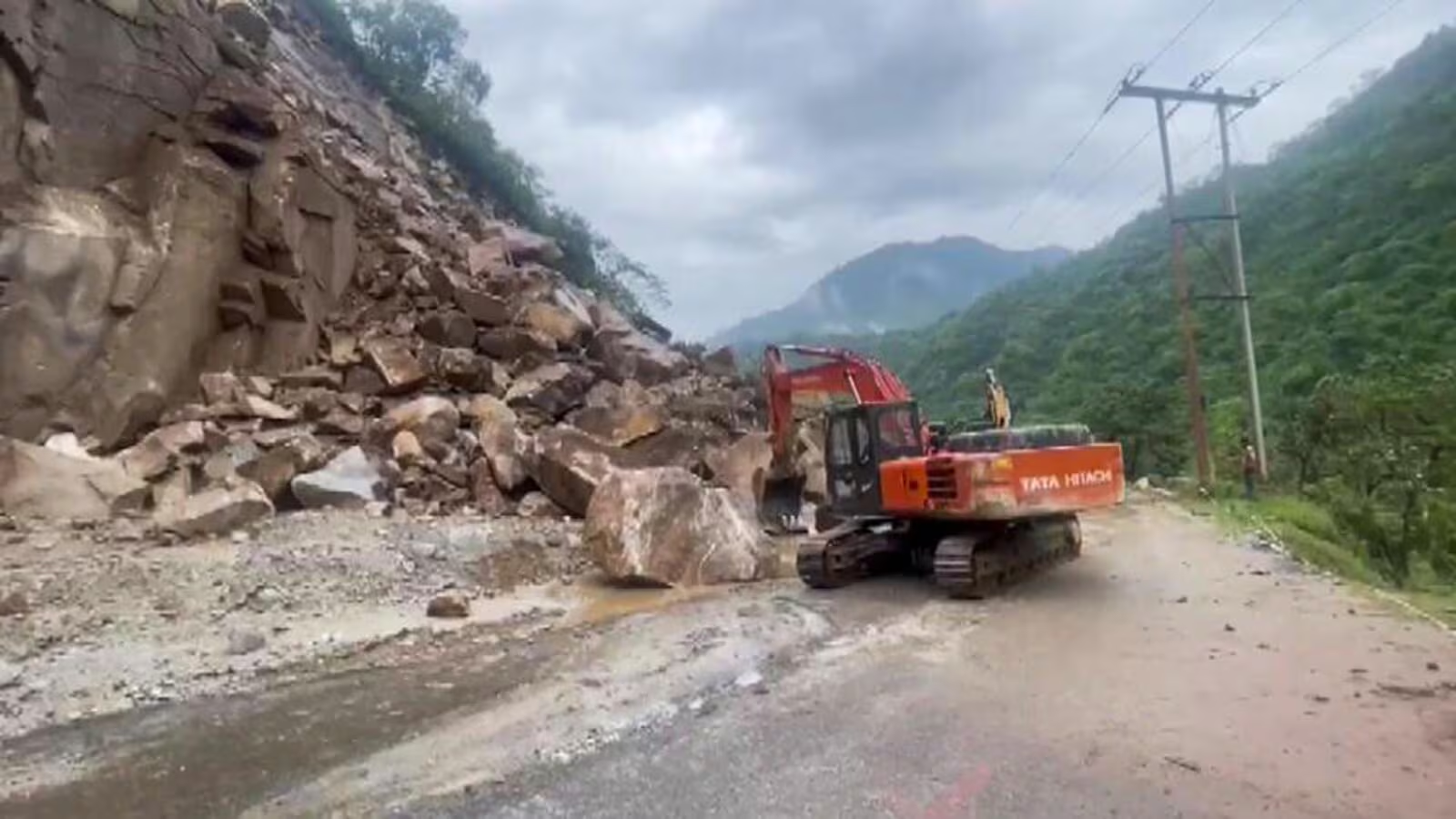
Heavy rainfall has unleashed widespread disruption across Mandi district, with 244 roads, including the critical Chandigarh-Manali National Highway, currently blocked by extensive landslides. This severe blow to connectivity has left vital services like electricity and water supply severely affected in multiple subdivisions, creating immense hardship for residents and impacting the region’s economic lifeline, especially its tourism sector. The ongoing crisis underscores the escalating vulnerability of mountainous urban and semi-urban areas to extreme weather events, demanding a re-evaluation of resilient infrastructure and climate adaptation strategies.
Initial reports indicated a staggering 302 roads rendered impassable by torrential rain-induced landslides. While the district administration has commendably managed to restore and reopen 58 routes, the remaining 244 inaccessible roads continue to isolate communities and impede movement for commuters and tourists alike. Seraj subdivision bears the brunt of the damage with 117 roads still blocked, followed by Karsog (47), Thalaut (39), Padhar (21), and Dharampur (11), illustrating a pervasive challenge across the district’s diverse topography. Key arterial routes, including the Mandi-Janjehli, Janjehli-Rampur, and Kamand-Prashar roads, remain severely impacted.
Also Watch: “Mumbai will rock, shine and always be India’s best city to live.” In an exclusive, MHADA CEO Sanjeev Jaiswal (IAS) talks about Mumbai’s enduring charm, livability, and the government’s focus on making it affordable for all
The Chandigarh-Manali highway, a vital economic conduit connecting the plains to the popular tourist destinations of Himachal Pradesh, is particularly affected at choke points such as Dwada, Jhalogi, and Kainchi Mod. This has brought vehicular traffic to a standstill, resulting in lengthy queues of stranded vehicles and significant distress for travellers whose plans and livelihoods depend on this route. Authorities have been compelled to establish an alternative route from Mandi to Kullu via Kamand and Kataula to divert traffic, a testament to the logistical complexities and the urgent need for robust alternative transport networks.
Beyond road connectivity, the monsoon’s fury has crippled essential utilities. A staggering 312 power transformers are out of commission, plunging vast areas into darkness, while 49 water supply schemes have been disrupted, exacerbating the challenges for residents already grappling with limited access and mobility. Rescue and road clearance operations are ongoing, but intermittent rainfall continues to hamper progress, highlighting the persistent battle against nature’s forces in this geologically sensitive region. Deputy Commissioner Apoorv Devgan has issued a strong appeal to the public to avoid all non-essential travel and remain indoors.
Furthermore, the significant rise in water levels in rivers and streams, notably the Beas, poses an additional threat. With dam authorities at Pandoh regularly releasing water, residents have been warned to maintain a safe distance from riverbanks to prevent untoward incidents. This perennial challenge during the monsoon season underscores the pressing need for long-term, climate-resilient infrastructure development in Himachal Pradesh. The increasing frequency and intensity of such events, widely attributed to changing climatic patterns and unplanned development, necessitate a comprehensive approach to urban planning, including nature-based solutions and improved early warning systems. Ensuring sustainable and equitable urbanisation in vulnerable mountainous regions is paramount to protecting lives, livelihoods, and the delicate ecological balance of India’s hill states.
Also Read: Air India Flight AI 2744 Skids Off Mumbai Runway Amid Rain Today
