


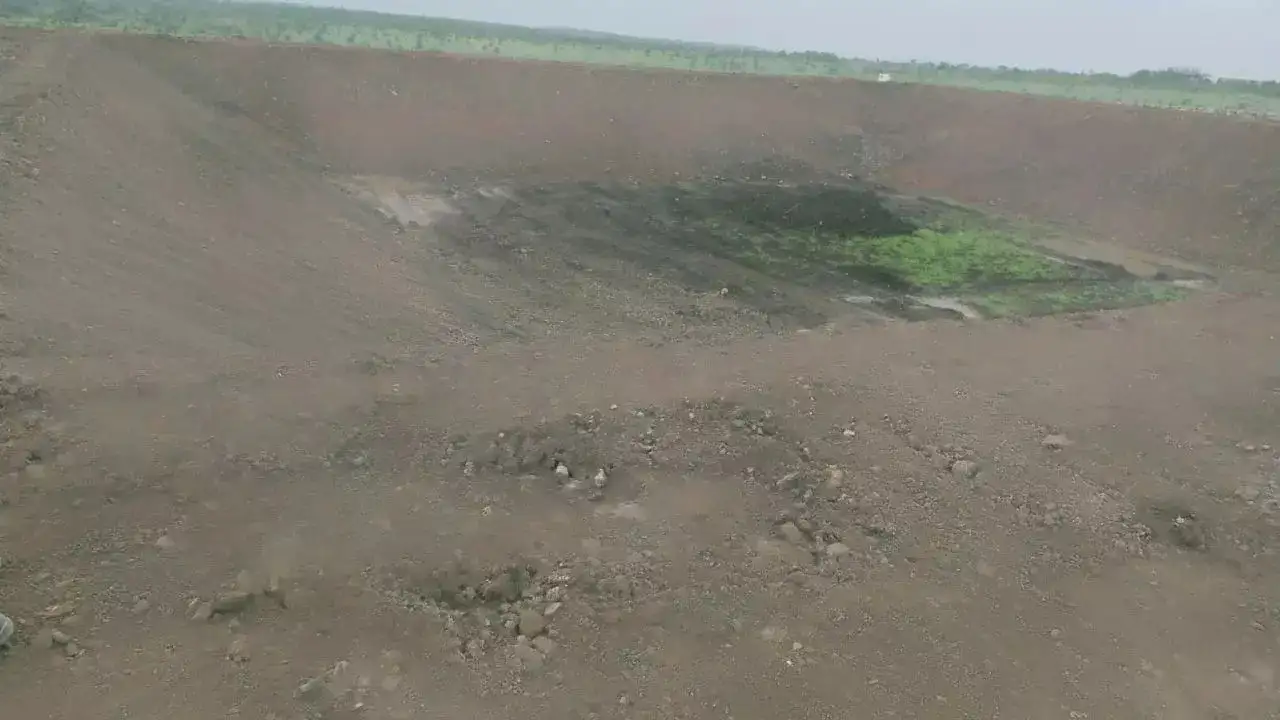
Laboratory analyses of incinerated toxic waste from Bhopal’s infamous Union Carbide factory have revealed the persistent presence of heavy metals, including nickel, zinc, lead, chromium, cobalt, and mercury, in the resulting ash. This critical finding underscores the enduring environmental challenges posed by industrial legacies and highlights the imperative for stringent waste management protocols to ensure the health and sustainability of our cities and surrounding ecosystems.
The ash, generated from the incineration of approximately 337 metric tonnes of hazardous waste at the Treatment Storage Disposal Facility (TSDF) in Pithampur, Dhar district, Madhya Pradesh, amounted to a substantial 899 metric tonnes of residue. While the incineration process successfully reduced highly dangerous dioxins and furans to below detection limits, a positive outcome attributed to combustion temperatures exceeding 1,000 degrees Celsius, the inherent nature of the original waste means its by-products still demand meticulous handling. The Regional Pollution Control Board laboratory in Indore confirmed these heavy metal concentrations, necessitating careful long-term containment.
Also Watch: “Mumbai will rock, shine and always be India’s best city to live.” In an exclusive, MHADA CEO Sanjeev Jaiswal (IAS) talks about Mumbai’s enduring charm, livability, and the government’s focus on making it affordable for all
The strategy for managing this contaminated ash involves its disposal in a specially constructed landfill cell. Designed with a capacity of approximately 1,000 tonnes, this cell is positioned 1.5 metres above ground level, a critical engineering measure intended to prevent potential ground seepage and subsequent contamination of soil and groundwater. The ash is currently secured in specialised packaging bags within a protected shed on-site, awaiting transfer to this newly constructed landfill, a process scheduled for completion by November.
This ongoing effort to manage the remnants of one of history’s worst industrial disasters, the 1984 methyl isocyanate leak in Bhopal, serves as a poignant reminder of the long-term environmental responsibilities associated with industrial activity. The safe and secure disposal of such hazardous materials is not merely a technical exercise; it is a fundamental commitment to public health, environmental justice, and the well-being of future generations. Ensuring that these toxic legacies do not continue to pollute our land and water is paramount for developing truly eco-friendly and sustainable urban landscapes.
The meticulous monitoring and containment of this hazardous ash are crucial steps towards mitigating its potential environmental impact. This situation underscores the continuous need for robust regulatory oversight, advanced waste treatment technologies, and unwavering vigilance in managing industrial by-products. For cities striving to achieve zero net carbon and equitable development, addressing historical environmental burdens with scientific precision and unwavering commitment is as vital as planning for future green infrastructure. The secure containment of this toxic ash is a necessary measure to protect the environment and foster healthier communities in Madhya Pradesh.
Also Read: Air India Flight AI 2744 Skids Off Mumbai Runway Amid Rain Today
