Hyderabad Citizens Alarmed as Gachibowli Lakes Bury Under Immersion Debris, Odor Rises
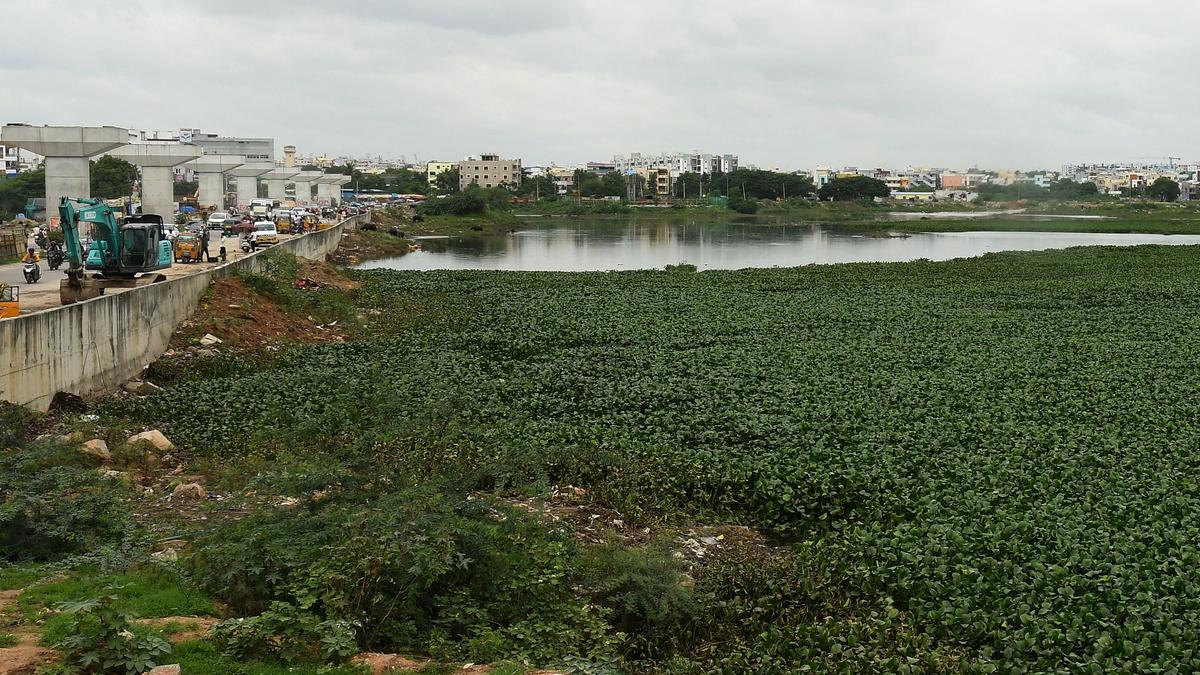
Hyderabad’s urban fabric is losing critical ecological assets as Moosa Kunta and Gosai Kunta lakes in Gachibowli face imminent disappearance under a relentless assault of construction debris and unchecked encroachments. A vigilant group of local residents, identifying themselves as ‘Hyderabad Greenies’, has initiated a fervent plea for formal recognition of these vital water bodies by the Hyderabad Metropolitan Development Authority (HMDA). Their urgent demand underscores a broader societal concern for sustainable urban development, environmental preservation, and the well-being of a city that historically prided itself on its extensive network of life-giving lakes. The unchecked degradation of these wetlands signals a critical juncture for Hyderabad’s ecological future.
For months, concerned citizens have observed with dismay the rapid deterioration of these once-flourishing water bodies. Construction waste is being indiscriminately dumped, and the very beds of these lakes are being progressively consumed by illegal encroachments. Despite persistent complaints lodged with various governmental departments, including revenue, irrigation, and the Greater Hyderabad Municipal Corporation (GHMC), there has been a glaring absence of concrete, remedial action. This bureaucratic inertia is exacerbating the crisis, allowing the encroachment to proceed unhindered, threatening both environmental stability and public health in densely populated urban pockets.
The alarming rate of decline is stark. Gosai Kunta lake, once a significant water body, has reportedly shrunk to a mere six acres due to extensive encroachment within its buffer zone. The situation with Moosa Kunta is even more precarious; it is not even listed in the HMDA’s official lake registry. This technical omission has, unfortunately, become a convenient loophole, allowing various departments to evade responsibility by claiming a lack of jurisdiction. Environmentalists corroborate this alarming trend, noting that Moosa Kunta has drastically reduced from over 20 acres just five years ago to approximately nine acres today, a stark indicator of unchecked urban sprawl’s impact.
Long-time lake conservationists point to a systemic neglect of the area’s intricate lake system. Historically, upstream water bodies like Peacock Lake and Buffalo Lake, situated within the University of Hyderabad campus, sustained Moosa Kunta through a network of natural channels, or ‘nalas’. These crucial hydrological connections are now heavily encroached upon, severing the natural flow and accelerating the lakes’ demise. Efforts to secure official recognition for these lakes have been ongoing for years, yet remain unaddressed, highlighting a critical administrative disconnect in environmental protection.
Over the past year, the ‘Hyderabad Greenies’ have undertaken numerous clean-up drives, manually removing waste and attempting to deter further dumping. While commendable, these citizen-led initiatives, though emotionally resonant, are acknowledged to be insufficient against the scale of the challenge. The group asserts that the issues at hand are structural and necessitate robust governmental intervention and policy enforcement. The disappearance of these lakes, situated in a densely populated urban area, carries profound ecological consequences, including diminished groundwater recharge, increased risk of urban flooding, and a significant loss of biodiversity, all of which compromise the city’s ability to achieve a zero net carbon and eco-friendly status.
The GHMC maintains that its hands are tied without formal recognition of these lakes. However, they have pledged to “look into the matter,” a promise that citizens hope will translate into tangible action. The ‘Hyderabad Greenies’ are intensifying their advocacy, urging both the HMDA and GHMC to formally designate Moosa Kunta and Gosai Kunta as protected lakes. Only through such official recognition, coupled with stringent enforcement against encroachments and a comprehensive restoration plan, can genuine conservation efforts commence, ensuring that these invaluable natural assets continue to serve the larger interest of the city and society for generations to come.