


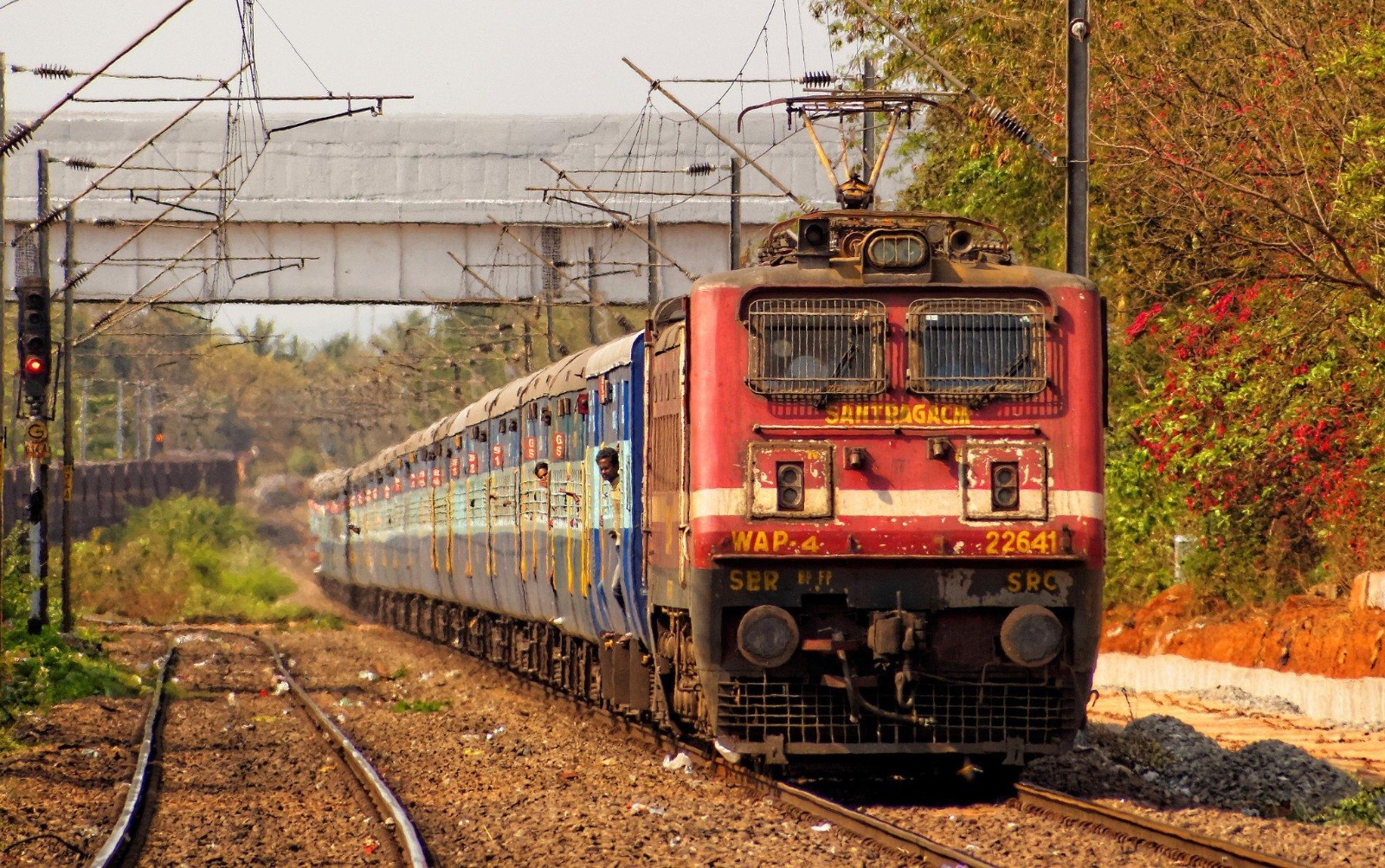
The Ministry of Railways has green‑lit the construction of a fourth rail line connecting Ranital Link Cabin and Bhadrak station in Odisha. Spanning 5.06 km at an investment of ₹149.32 crore, the initiative promises to bolster capacity, optimise freight operations, and drive sustainable regional economic growth.
Nestled along the vital Howrah–Chennai mainline, the Ranital–Bhadrak corridor currently grapples with high traffic density. Delays afflict both passenger and goods trains, undermining punctuality and escalating operational costs. Officials from East Coast Railway confirmed that the additional line is expected to decongest the existing dual-track system by segregating freight and passenger traffic, thus reducing train headway and enhancing average sectional speeds. The strategic gain lies in strengthening logistics links to key maritime hubs, notably Dhamra and Paradeep ports. By adding a dedicated freight corridor, the project is set to expedite cargo movements, which will support regional industries and agricultural supply chains. Transport analysts highlight that by shrinking bottlenecks, the corridor can attract incremental freight volumes, reducing conventionally truck-reliant transport and lowering carbon emissions.
Operationally, segregation of freight and coaching services aligns with sustainable urban-rural transit planning. Passenger trains will benefit from reduced interference, improving reliability for daily commuters. Consistently punctual services can enhance the traveller experience and support more equitable access to rail transit across Odisha. Technical briefs reveal that the project integrates advanced signalling upgrades and improved track infrastructure. These will facilitate faster transit speeds and minimise disruption during train crossings. An official from the Ministry of Railways noted that this expansion is a key pillar of the broader East Coast Railway infrastructure modernisation plan, which is pushing toward a future-ready rail network in Odisha.
Rail infrastructure experts argue the new line reinforces national objectives for sustainable mobility. “Enhancing rail capacity can move a greater share of freight from road to rail, which in turn reduces greenhouse gas emissions and road congestion,” said an urban transport specialist. “It also promotes balanced regional development and supports climate-resilient logistics corridors.” Funding the project within the ₹149.32 crore envelope reflects fiscal prudence, balancing capital costs with projected economic gains. Cost-benefit estimates indicate benefits through time savings, reduced delays, and increased freight throughput will outweigh spending, especially as regional traffic scales up.
As contractors prepare for mobilisation and procurement begins with local suppliers where feasible, the initiative offers employment opportunities and underscores gender-neutral development, encouraging women’s participation across engineering and field operations. Scheduled for phased commissioning over the next 18–24 months, the fourth line is expected to be operational by mid‑2027. Once completed, the corridor will relieve pressure on the suburban track, benefiting communities through smoother operations and enabling clean modal shift from road-haulage to rail.
By upgrading rail infrastructure with sustainable intent, Odisha is positioning itself as a smart logistics region—demonstrating how targeted transport investments can foster greener, inclusive, and efficient urban-rural economies.
Also Read : India Installs AI Facial Recognition At 7 Major Rail Stations
