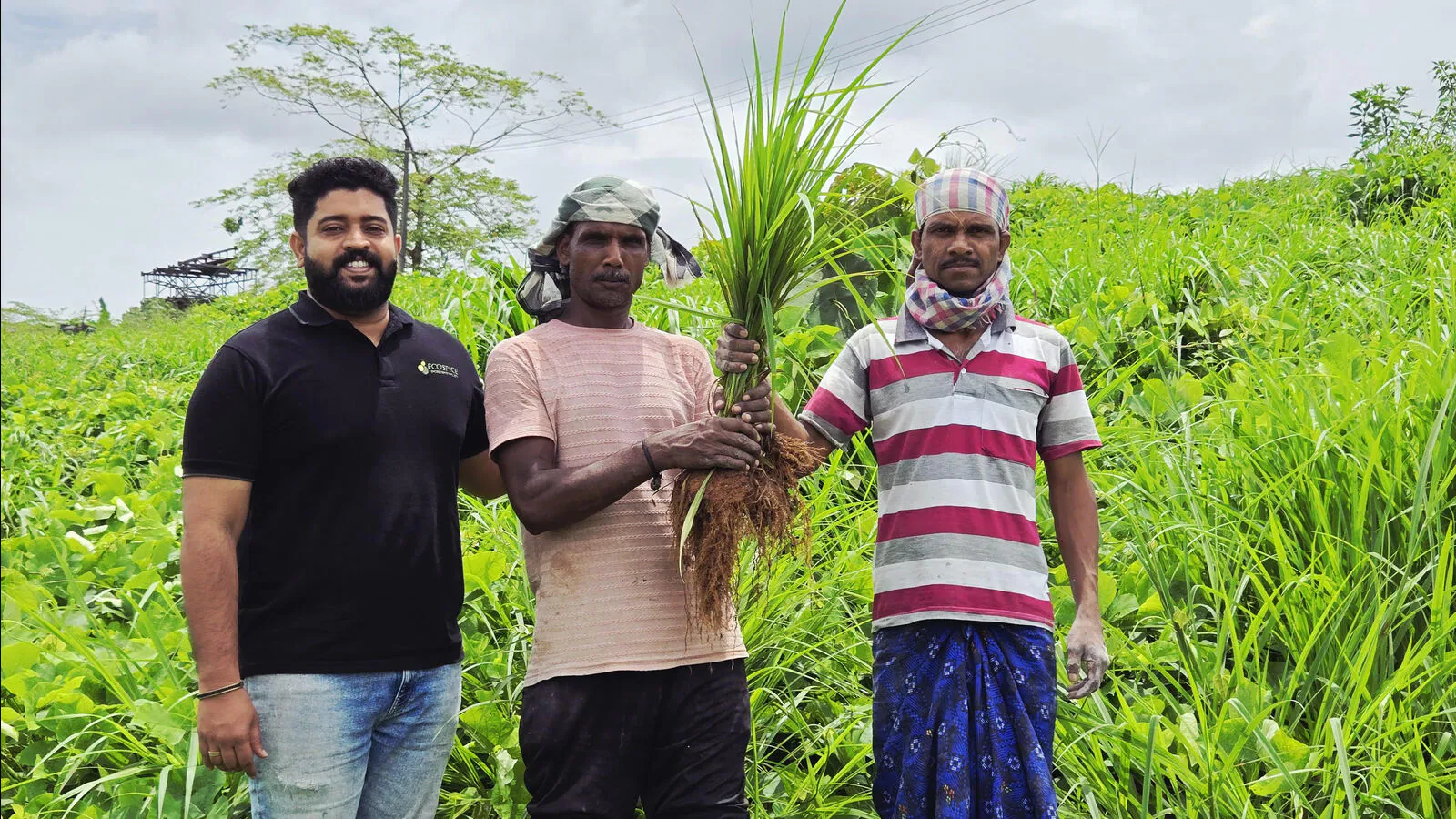
Satara Farmers Shift to Lemongrass, Citronella Cultivation on 50000 Acres
Farmers across western Maharashtra, especially in districts like Satara, Sangli, Pune rural, and Kolhapur, are increasingly embracing aromatic crop cultivation as a sustainable and profitable alternative to traditional farming. In a significant shift, an estimated 50,000 acres of land have been brought under lemongrass and citronella cultivation in the region—an area that was virtually uncultivated for these plants five years ago. The rising global demand for citronella-rich essential oils used in wellness and personal care products is playing a pivotal role in the transformation of the region’s rural economy.
The shift is driven by favourable soil, moderate rainfall, and a growing network of industry partners supporting cultivation and distillation. Experts state that lemongrass and citronella are more resilient to climate variability compared to conventional crops, offering higher and more predictable returns. With conventional farming becoming riskier due to erratic monsoons and price volatility, aromatic crops offer a buffer against financial uncertainty. Farmers are reallocating portions of their land—sometimes up to 30%—to these hardy plants, reporting a 15–20% rise in income where traditional crops have often failed. Agricultural facilitators are also playing a key role in the ecosystem, providing quality planting materials, training, and access to local distillation units to increase oil yield. Contract farming models have helped connect small and medium-sized farms to larger buyers in the wellness and cosmetic sectors.
Officials confirm that around 45 organised farmer groups are currently working under support programmes that ensure regulatory compliance and technical guidance, while promoting agro-processing industries in rural belts. The initiative is not only profitable for cultivators but is also viewed as an eco-friendly alternative that encourages low-water, low-chemical farming. The larger economic impact is already visible across farming clusters in Ahmednagar, Solapur, and Raigad where employment opportunities in cultivation, oil extraction, and packaging are reducing rural distress. Experts say this transition is helping curb distress migration to urban centres by creating decentralised jobs in villages. Additionally, the scalability of aromatic farming ensures inclusive participation from marginal and women farmers, often left out of high-investment crop cycles. Authorities are now considering expanding this model to other under-utilised farmlands, especially in water-stressed zones.
As the market for natural oils continues to expand—both domestically and internationally—experts suggest that Maharashtra’s move towards aromatic farming can become a national model for climate-resilient and economically viable rural development. While the approach is still nascent, the success seen in these western districts underscores the need for robust policy support, credit access, and infrastructure development to scale up the aromatic value chain across India’s hinterlands.