Delhi Launches New EV Bus Routes To Bridge Metro Connectivity Gaps
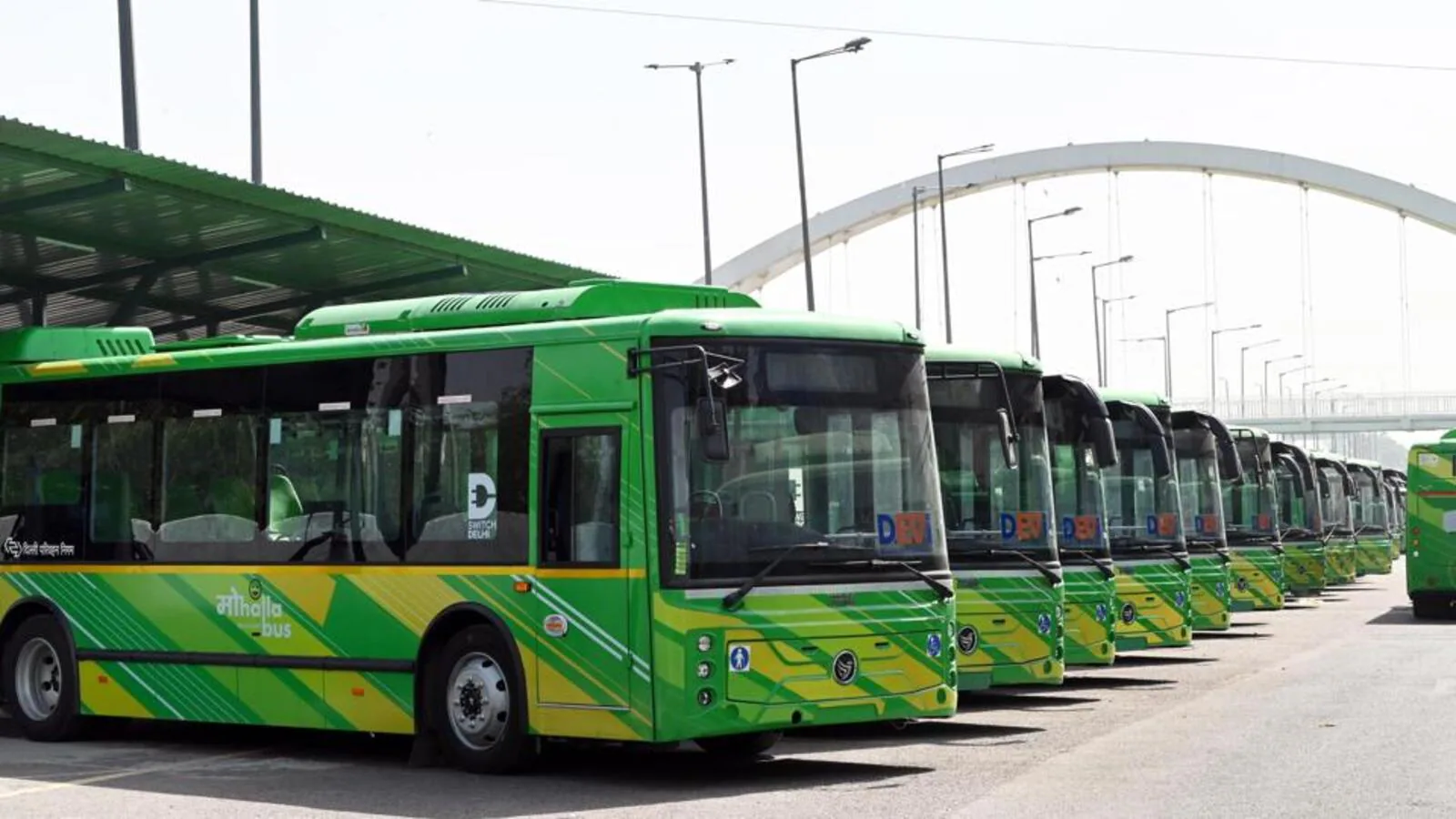
To address the capital’s long-standing last-mile commute concerns, Delhi is launching 145 dedicated electric bus routes designed to link residential pockets to Metro stations more efficiently. These new DEVI (Delhi EV Initiative) buses will begin rolling out in Yamuna Vihar under a pilot project that will eventually scale city-wide. The initiative focuses on narrow-lane accessibility, enhanced commuter convenience, and climate-friendly mobility—marking a significant push towards cleaner, more inclusive urban transport. Authorities expect the new plan to improve ridership, reduce emissions, and strengthen connections across underserved localities.
Officials involved in the project explained that these 9-metre electric buses are designed to operate on shorter, tighter routes where larger 12-metre buses often cannot run. Past deployments revealed a mismatch—while smaller EV buses offer environmental and spatial advantages, they have seen significantly lower ridership when assigned to longer routes. In response, transport planners have joined hands with academic researchers to redesign these routes, focusing specifically on connecting residential areas with nearby Metro stations in a way that meets both operational and commuter needs. Yamuna Vihar, where the pilot begins, represents a testing ground for the capital’s evolving sustainable transit model. The DEVI fleet is positioned to replace polluting shared autos and private vehicles on short-distance routes. These new routes are expected to especially benefit women, students, and the elderly, who often face last-mile challenges due to poorly connected public transport infrastructure.
Alongside the physical rollout of EV buses, the city is also redesigning supporting infrastructure. Specialised DEVI bus stops are being built, featuring real-time digital information systems for timing, routes, and locations—aimed at reducing wait-time uncertainty. The Delhi Metro Rail Corporation (DMRC) is working in tandem with the transport department to align these systems. The ultimate aim is to create an integrated, seamless, and tech-enabled public transport experience that supports modal shifts away from personal vehicles and reduces overall emissions in Delhi’s dense urban zones. The government has also begun modernising its fare and ticketing mechanisms to support this transport overhaul. Electronic Ticketing Machines (ETMs), compatible with National Common Mobility Cards (NCMC), have been introduced on a pilot basis across three major bus depots—covering approximately 700 vehicles.
Early results indicate that over 95 percent of tickets are now being purchased electronically. This digitisation marks a critical step in making Delhi’s public transport not only eco-friendly but also transparent and user-friendly, especially for young and tech-savvy urban commuters. With the DEVI initiative, Delhi is signalling a paradigm shift towards electric, last-mile mobility that is inclusive, data-driven, and environmentally aligned. If successfully scaled, the project could become a model for other Indian cities grappling with similar issues of fragmented mobility, last-mile disconnects, and growing vehicular emissions. By blending modern electric infrastructure with citizen-centred planning, the capital is inching closer to its vision of equitable and low-carbon urban transport.