Surathkal Breakwater at Kulai Jetty Damaged by Monsoon, Sagarmala Project Stalls
The partially constructed breakwater at Kulai jetty, a crucial component of the national ‘Sagarmala’ project near Surathkal, is once again succumbing to the relentless force of monsoon high tides. Years of project implementation delays and intensified sea turbulence are causing significant erosion, raising concerns about the long-term resilience of coastal infrastructure and its vital role in safeguarding local livelihoods and environmental stability in this sensitive region.
This recurring vulnerability underscores a critical challenge in coastal infrastructure development, particularly as climate change intensifies weather patterns. The breakwater, designed to protect the jetty and the coastline, has previously suffered damage from strong monsoon waves. This year, the southern flank, notably lacking the protective tetrapods installed elsewhere, is experiencing a gradual but persistent loss of its rock structures, swept away by the powerful tidal forces. Recent heavy rainfall has further exacerbated the sea’s turbulence, leading to the collapse of numerous rocks, both large and small. While the current damage is contained, experts caution that continued adverse weather could precipitate more severe erosion, potentially undermining the entire structure.
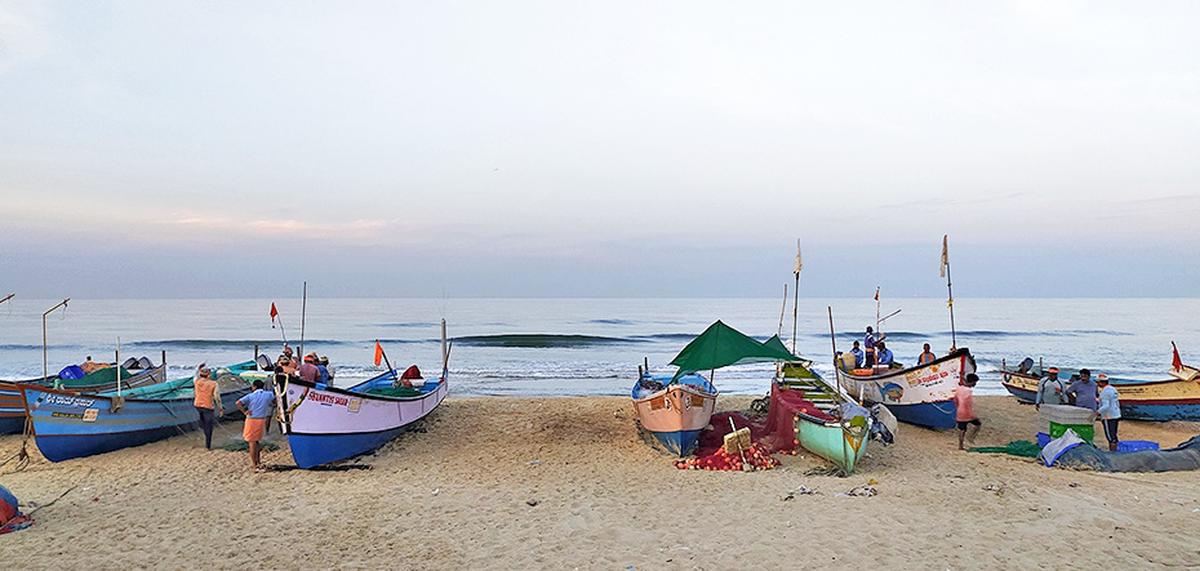
The protracted delays in the project’s completion have left this vital infrastructure exposed. Earlier, the work faced interruptions due to protests from traditional fishing communities, who sought a redesign of the breakwater to safeguard their traditional fishing grounds and access points. Although subsequent technical assessments affirmed the soundness of the original design, the hiatus in construction has had an enduring impact, leaving the partially built structure susceptible to the very forces it is intended to mitigate. This highlights the delicate balance required between large-scale infrastructure ambitions and the immediate needs and concerns of local populations, particularly those whose livelihoods are intrinsically linked to the marine environment.
The New Mangalore Port authorities have acknowledged the escalating issue, formally apprising the state government of the situation and seeking expedited approval to resume the stalled construction. The imperative now is to swiftly re-engage with the project, not merely to complete a delayed undertaking but to fortify a critical asset against the backdrop of changing climatic realities. A robust, fully completed breakwater is essential for ensuring the safety and sustainability of maritime operations, protecting coastal communities, and preserving the delicate marine ecosystem, aligning with the broader vision of developing eco-friendly and resilient urban and coastal zones.
The ongoing erosion at Kulai jetty serves as a poignant reminder of the economic and environmental costs associated with infrastructure project delays. Beyond the immediate financial implications of repairs and reconstruction, the vulnerability of such critical assets poses risks to the local economy, particularly the fishing industry, and to the ecological balance of the coastal belt. Prioritising the swift and sustainable completion of this project is not merely an engineering task but a societal imperative, ensuring equitable access to resources and a secure future for the coastal communities of Surathkal.