Delhi Faces Health Risks From Pigeon Overpopulation MCD Urges Action
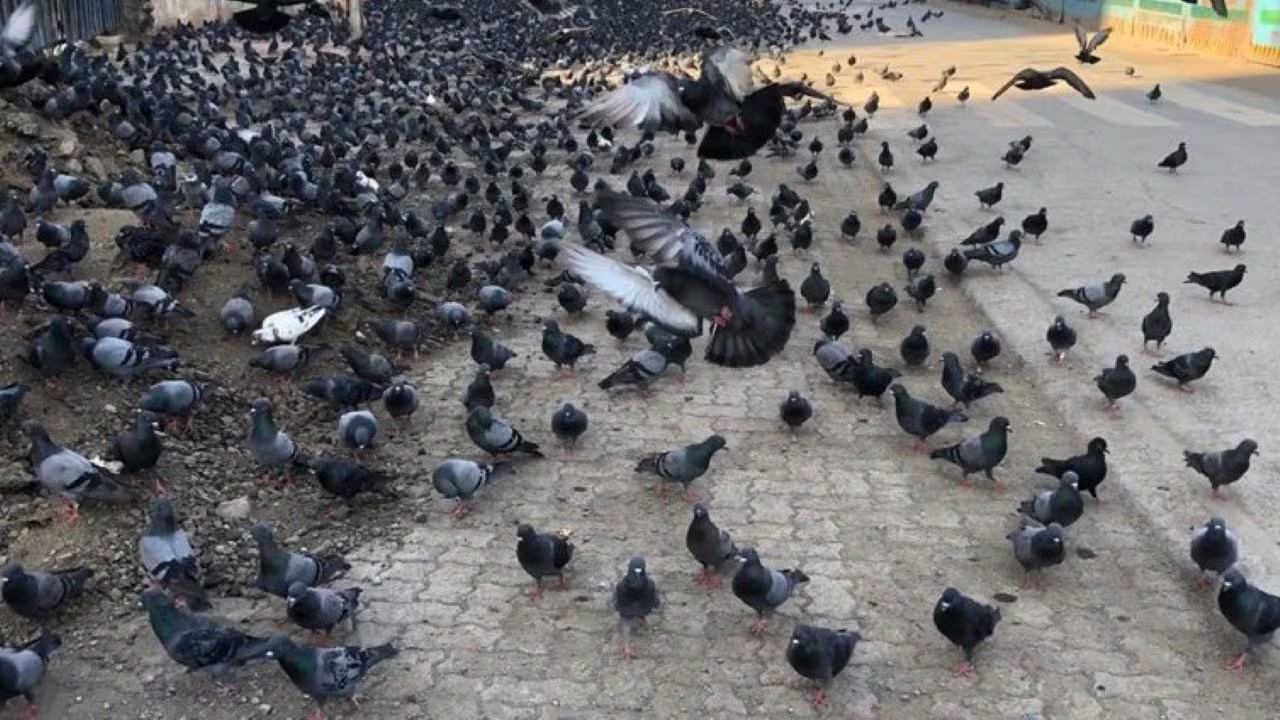
Delhi’s escalating pigeon population, once symbols of peace, has now become a significant urban concern, prompting civic authorities to sound alarms over serious health and environmental risks. Fueled by unchecked public feeding and ubiquitous grain vendors, the surge in their numbers poses challenges from widespread droppings. In response, the Municipal Corporation of Delhi (MCD) has initiated measures to address this growing menace, urging relevant departments to intervene. This situation highlights the critical need for regulating public feeding practices to mitigate potential health hazards and maintain urban hygiene across the capital.
In a letter dated July 8, the MCD’s public health department formally urged its veterinary department to take steps to curb the uncontrolled pigeon boom. This communication followed concerns raised during an MCD standing committee meeting on June 27, where the nuisance and potential disease threats posed by bird droppings were discussed. While specific data on pigeon-related diseases in Delhi is currently unavailable, the increased bird population and unregulated grain sales for feeding necessitate immediate action. Officials noted that the practice of feeding pigeons in public spaces, such as pavements and traffic islands, has led to exponential breeding. Rock pigeons, a prolific species, can hatch chicks up to six times annually, with a single bird producing approximately 11.5 kg of excreta each year, exacerbating cleanliness issues and public health concerns.
The health risks associated with pigeon droppings are substantial, extending beyond mere cleanliness. These droppings are known carriers of various pathogens, including salmonella, E. coli, and even the influenza virus. Exposure has been linked to serious respiratory illnesses such as psittacosis, ornithosis, cryptococcosis, and hypersensitivity pneumonitis, a severe lung condition. Beyond health implications, the acidic nature of the droppings also causes significant corrosion to buildings, heritage structures, and public infrastructure, necessitating costly repairs. The National Green Tribunal (NGT) last month issued notices to the Delhi government and civic bodies following a student’s plea highlighting these environmental and health hazards, particularly concerns about hypersensitivity pneumonitis. Experts also warn that the artificial feeding points create an ecological imbalance, impacting other bird species and potentially exposing humans to diseases through feathers and ectoparasites like bed bugs.
The growing pigeon population in Delhi presents a multifaceted challenge, encompassing public health, environmental damage, and ecological balance. Addressing this issue requires comprehensive action, from regulating feeding practices to implementing veterinary interventions. The civic authorities’ proactive stance underscores the urgency of managing urban wildlife to ensure a safer, cleaner, and healthier environment for all residents, reflecting a broader commitment to urban well-being.