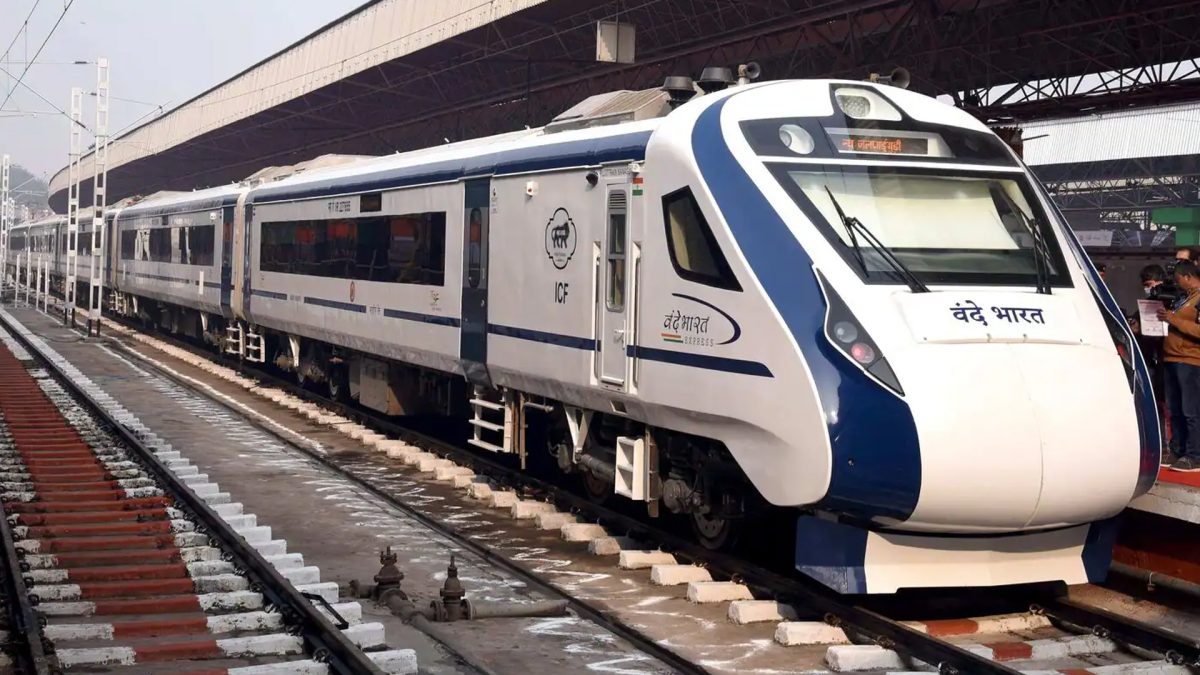
Pune To Get Four New Vande Bharat Trains Boosting Connectivity
The West Bengal government has approved the transfer of around 40 acres of land in Uttarpara to a leading rail systems manufacturer for the development of a metro and Vande Bharat coach manufacturing unit in a significant push towards sustainable rail-based urban mobility. The site, part of a legacy industrial estate, is poised to transform into a strategic production and commissioning hub for India’s next-generation public transport solutions. This move not only supports India’s broader shift to electric and energy-efficient transit systems but also symbolises a revival of industrial activity in an area historically linked with railway innovation.
The allocation of land in Uttarpara marks a strategic investment in India’s low-carbon transport future, especially as metro rail and Vande Bharat trains form the backbone of the nation’s vision for faster, greener travel. The unit is expected to reduce reliance on imports for coach manufacturing and stimulate local production capabilities, bringing India closer to achieving self-reliance in transport infrastructure. Experts argue that this move aligns with national policies promoting Make in India and electric mobility, especially as Indian cities expand their metro rail networks. With local manufacturing capabilities boosted, costs and timelines for metro expansions across states could improve, expediting the roll-out of sustainable transit corridors. Moreover, the Uttarpara facility is anticipated to generate substantial employment during construction and operations, with a focus on skilled and semi-skilled labour. This is particularly significant in the context of post-industrial job revival in the region, where earlier generations depended on large-scale factories for livelihood.
By modernising the region’s industrial framework, the project could catalyse a new ecosystem around transport technology, precision engineering, and sustainable manufacturing. Civic groups have also highlighted the potential for gender-inclusive employment and local skill development, which would strengthen equitable economic growth in the region. Environmental analysts note that increasing domestic manufacturing capacity for metro and Vande Bharat coaches can reduce the carbon footprint associated with logistics and imports, helping meet the nation’s net-zero goals. The site’s transformation into a green manufacturing unit could integrate eco-friendly industrial practices, including rainwater harvesting, solar-powered operations, and energy-efficient design. The emphasis on electric mobility also aligns with India’s commitments under global climate accords. However, urban planners warn that land use planning around the site must balance industrial growth with sustainable urban development to prevent future sprawl or infrastructure stress.
As Indian cities race to adopt clean mobility systems, projects like the one in Uttarpara stand at the intersection of economic revival, technological progress, and environmental responsibility. While the move reinforces India’s momentum in building modern, efficient metro systems and semi-high-speed trains, its true success will depend on equitable execution, environmental safeguards, and inclusive employment practices that bring long-term value to both the region and the nation.