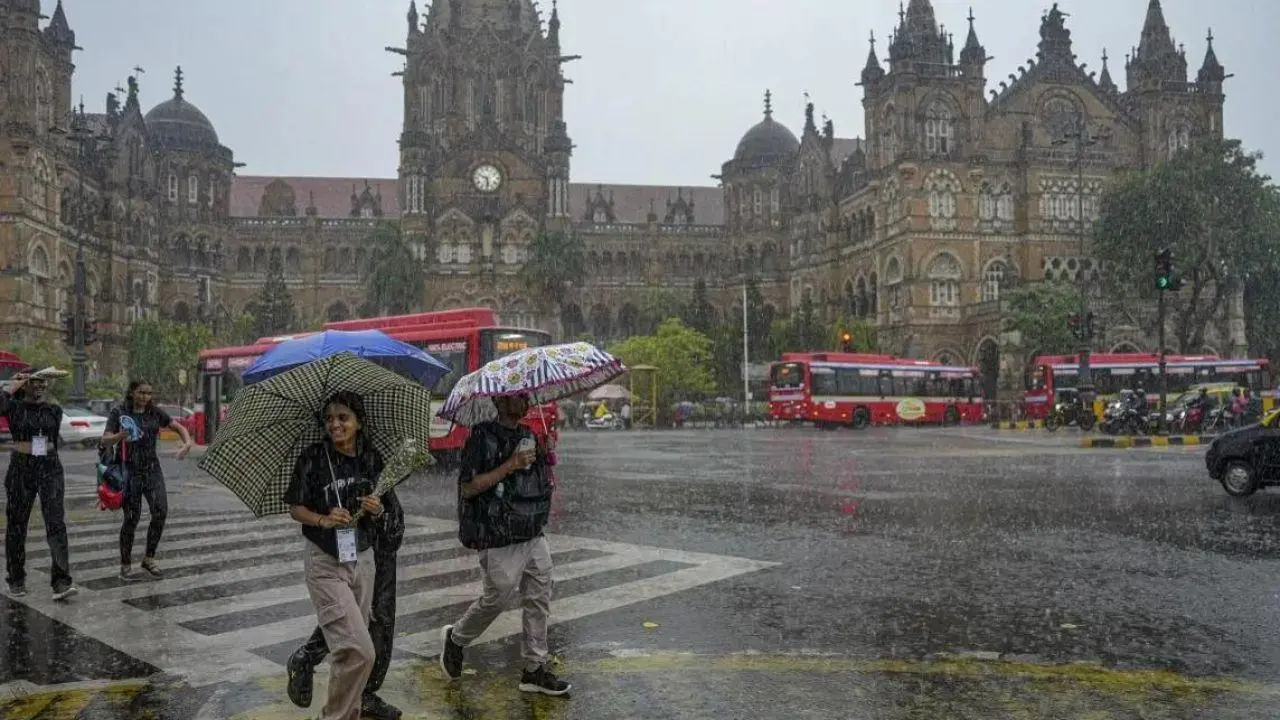
India Faces Widespread Monsoon Fury With Flooding And Heavy Rain Alerts
Mumbai has recorded a sharp increase in malaria and chikungunya cases this monsoon, with health officials linking the surge to stagnant water around construction sites and early rainfall. According to municipal data, malaria infections have already surpassed last year’s total for the same period, while chikungunya cases have more than tripled. Dermatologists have also raised alarms over a parallel rise in fungal infections, attributing the trend to damp clothing, humid weather, and poor public hygiene.
The civic body’s monsoon health bulletin revealed that 3,490 malaria cases were reported by July 14, surpassing the previous year’s tally of 2,852 within the same timeframe. Chikungunya cases, meanwhile, rose from 46 to 179, underscoring growing concerns among epidemiologists. Health experts cited climate-change-induced shifts in temperature and humidity as prime contributors, with mosquito breeding accelerating due to standing water around construction sites and homes. The increase has prompted the civic administration to issue advisories on eliminating breeding grounds and avoiding cluttered or waterlogged spaces indoors and outdoors. Doctors from various hospitals warned that the spike in malaria was not only about rising numbers but also severity. Many patients admitted have shown worrying symptoms like low platelet counts and high-grade fever. However, while platelet transfusions haven’t been necessary yet, hospital staff stressed the importance of early hydration and care.
Construction sites with poor drainage remain a major concern. Medical professionals urged both builders and local authorities to act swiftly to prevent water accumulation, which can serve as breeding grounds for mosquitoes long after rainwater has pooled and settled. Apart from vector-borne diseases, fungal infections are on the rise in dermatology outpatient departments across public and private hospitals. Clinics report a 1.5-fold increase in cases since the onset of the monsoon. Fungal rashes are especially common in body areas prone to moisture, such as underarms, toes, and groin. Patients have also reported severe itchiness, peeling skin, and complications due to use of over-the-counter creams, often misused without medical guidance. Office-goers and daily commuters staying in wet clothing for prolonged periods were found particularly vulnerable.
In response to the health threat, the civic authority has launched the ‘Zero Mosquito Breeding Campaign’ with a focus on hospitals, government buildings, and vulnerable neighbourhoods. Posters, advisories, and inspections are underway to ensure preventive action is implemented. Experts warned that neglecting monsoon hygiene and failing to respond to early symptoms can aggravate city-wide health risks. Citizens are urged to use bed nets, boil water before drinking, avoid street food, and seek medical attention promptly for any fever or skin infection. Timely intervention, public awareness, and civic responsibility remain crucial as Mumbai faces a challenging and prolonged monsoon season.