


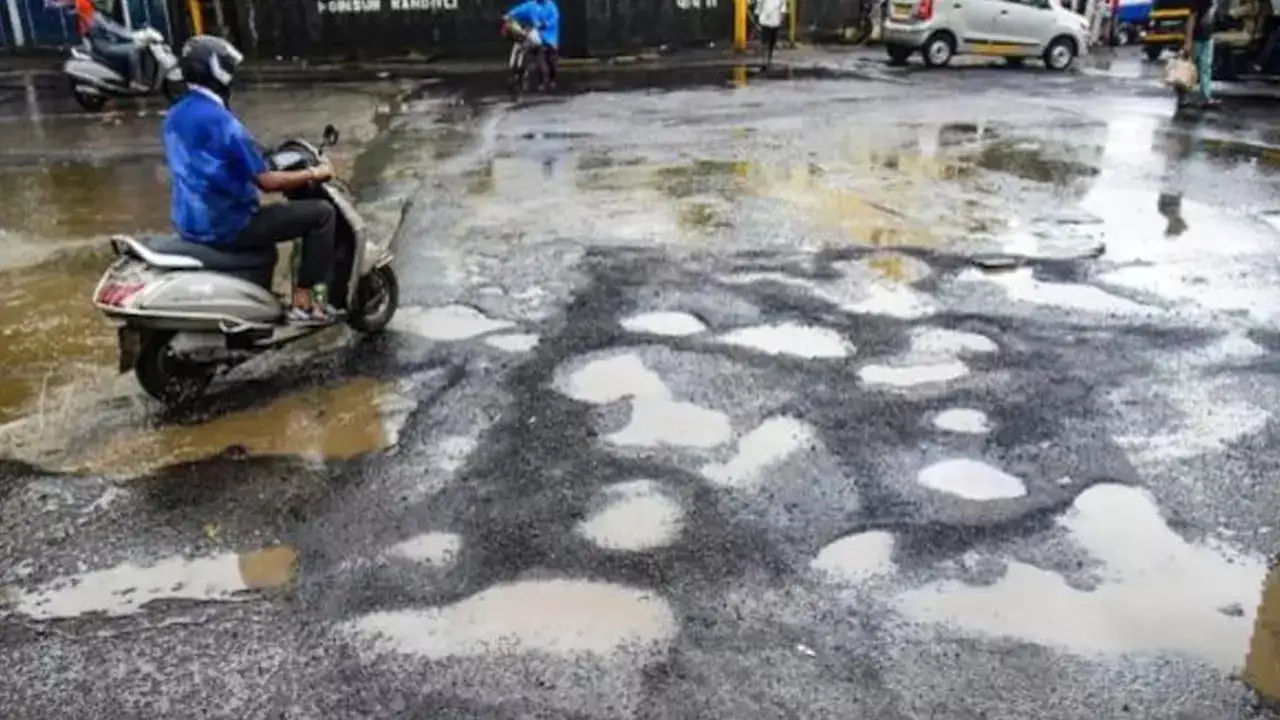
Ahmedabad’s civic administration is locked in a high-stakes battle against the monsoon’s relentless assault on the city’s road network, having filled 6,594 potholes in recent weeks as part of an aggressive repair campaign that has consumed 14,500 bags of cold mix and 7,500 tonnes of hot mix material. The scale of the operation reflects both the severity of the damage and the urgency with which the Ahmedabad Municipal Corporation (AMC) is attempting to restore safe, navigable streets for the city’s 8.5 million residents. With over 8,500 potholes reported across all zones in the past month—more than a quarter of them in the West Zone—the challenge is as much about logistics as it is about public trust in urban governance.
The municipal commissioner personally inspected repair work in eastern localities, including areas around Viratnagar bus stand, Soni ni Chali, and Nikol village, underscoring the administration’s commitment to visible, accountable action. Officials confirmed that daily inspections are now standard protocol, with teams deployed at dawn to identify and patch new craters before the morning rush. The strategy is clear: minimise disruption, maximise responsiveness, and demonstrate that taxpayer funds are being put to work where they matter most. Yet, despite these efforts, the sheer volume of complaints—over 5,000 in June alone—suggests that citizen frustration with recurring road damage remains high.
The root causes of Ahmedabad’s pothole predicament are multifaceted. Experts point to ageing drainage systems, frequent utility excavations, and engineering flaws in bitumen roads as primary culprits. The absence of a municipal material testing laboratory until now has further compounded quality control issues, though the AMC has recently approved the establishment of such a facility. The city’s annual road budget exceeds ₹1,000 crore, yet the return on investment is often questioned as potholes resurface with each monsoon, eroding public confidence and raising allegations of corruption in contracting and execution. Opposition leaders have called for stricter oversight and higher construction standards, arguing that experimental projects like dust-free and plastic roads have failed to deliver lasting solutions.
For commuters, especially two-wheeler riders who dominate Ahmedabad’s traffic mix, the consequences are tangible. Beyond the obvious safety hazards—potholes are a leading cause of accidents and injuries—the physical toll of navigating uneven surfaces day after day exacts a quieter, cumulative cost in terms of health and productivity. The economic impact is equally significant: delayed deliveries, increased vehicle maintenance costs, and lost working hours all chip away at the city’s competitiveness. In this context, the AMC’s repair blitz is not merely a technical exercise but a vital component of urban livability and economic resilience. The administration’s response has included not only rapid patching but also selective resurfacing of major arteries leading to the airport, hospitals, and business districts. The use of both cold and hot mix materials allows for flexibility—cold mix for immediate, temporary fixes during wet weather, and hot mix for more durable repairs when conditions permit. However, critics argue that without addressing underlying issues in road design, drainage, and contractor accountability, such measures are at best a stopgap.
The recent decision to establish a material testing lab is a step in the right direction, but its impact will only be felt in future construction cycles. From a sustainability perspective, the recurring cycle of damage and repair is environmentally untenable, generating significant carbon emissions from material production, transportation, and construction activity. A truly eco-friendly, zero-net-carbon approach would prioritise long-lasting, permeable surfaces, integrated drainage, and green infrastructure that can absorb and channel monsoon runoff without compromising road integrity. Gender-neutral and equitable access to safe mobility must also be part of the solution, ensuring that women, children, the elderly, and persons with disabilities are not disproportionately affected by poor road conditions.
As the monsoon progresses, the AMC’s ability to keep pace with new pothole formations will be a critical test of its operational capacity and political will. The corporation’s claim to have resolved over 99% of complaints lodged via the GujMARG app is a positive signal, but sustained improvement will require systemic reforms in procurement, oversight, and public engagement. For now, Ahmedabad’s streets tell a story of resilience and resourcefulness, but also of a city straining against the limits of incrementalism. The road to a pothole-free, sustainable Ahmedabad is long, and the journey has only just begun.
Also Read : Meghalayas Umiam Reservoir Water Level Drops Threatening Power Generation
