
HomeLatestBengaluru Plant Struggles To Convert Waste To Energy Amid Supply And Safety...

Bengaluru Plant Struggles To Convert Waste To Energy Amid Supply And Safety Issues

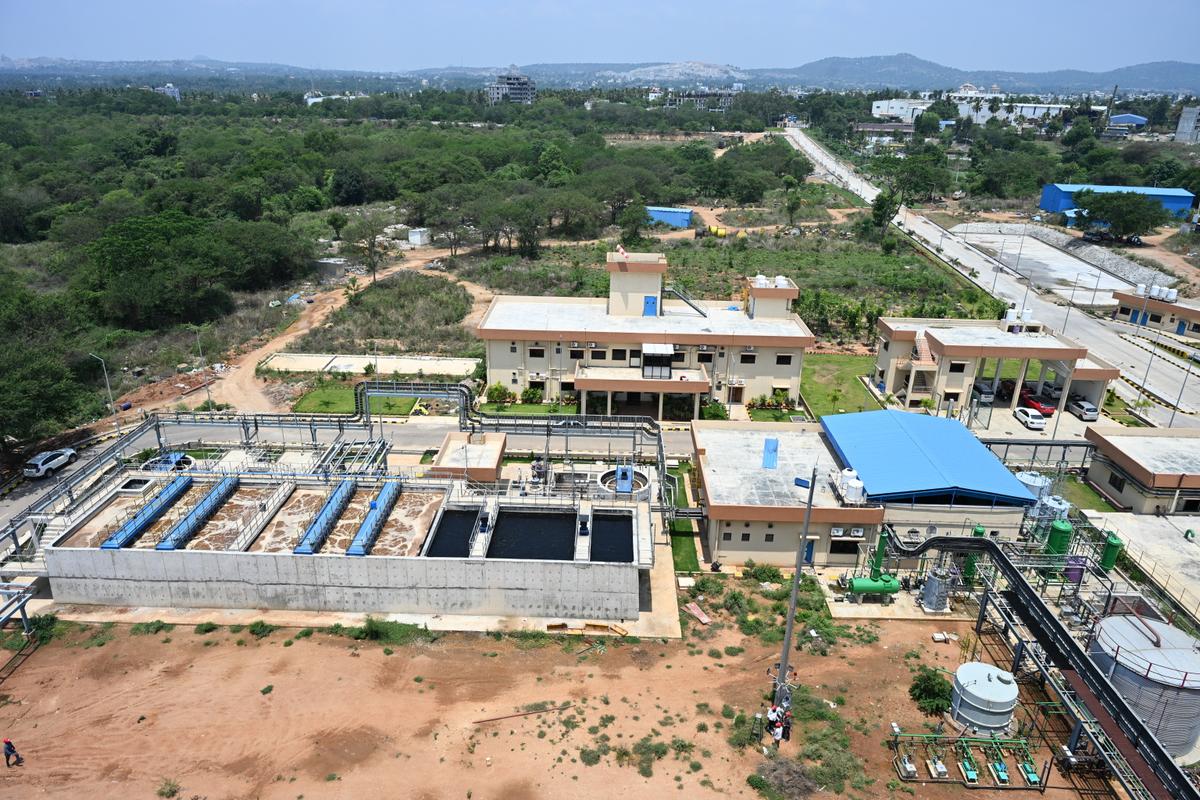
 

Bengaluru’s flagship waste-to-energy (WTE) plant near Bidadi, designed to process 600 tonnes of refuse daily and power 25,000 homes, is grappling with operational and logistical bottlenecks. Despite nearing its 11.5 MW capacity, the facility is plagued by inconsistent dry waste supply, outdated transport systems, and safety risks, all of which threaten its viability as a sustainable urban waste management solution.

The lack of compactors and excavators for transporting multilayer plastic (MLP) and other non-recyclables means collection centre operators are forced to rely on manual labour or hire private equipment. Payment delays and lack of incentives for dry waste handlers have only worsened the operational ecosystem. These inefficiencies reduce the plant’s intake, with experts citing that only a fraction of the waste meant for the plant ever arrives in the necessary form. A fatal accident in January, caused by non-combustible materials jamming the furnace, underlined the dangers of contaminated RDF. Officials at the plant say that while new safety protocols have been introduced, unless upstream segregation improves, the risk persists.

With only a portion of the city’s daily waste effectively processed, legacy landfills remain under pressure, and many wet waste processing units operate below capacity due to protests and poor maintenance. Sustainability advocates argue that while the WTE model can serve as a partial solution, it cannot replace the systemic overhaul required in urban waste segregation. Until Bengaluru enforces strict source segregation and upgrades its collection systems, the plant’s potential as a clean energy contributor will remain undermined—despite its technological and environmental promise.

Moreover, the city’s lack of decentralised composting infrastructure continues to burden centralised facilities, exacerbating transportation emissions and logistical inefficiencies. Experts warn that unless ward-level composting units are revived and incentivised, Bengaluru will struggle to balance its carbon goals with its growing waste load. Localised solutions, combined with civic awareness and transparent governance, are seen as essential to bridging the gap between policy ambition and on-ground outcomes.

Also Read: CMRL awards BARSYL three RRTS feasibility contracts across Tamil Nadu
Bengaluru Plant Struggles To Convert Waste To Energy Amid Supply And Safety Issues
RELATED ARTICLES

- Advertisment -spot_img

Most Popular

Latest News

Recent Comments