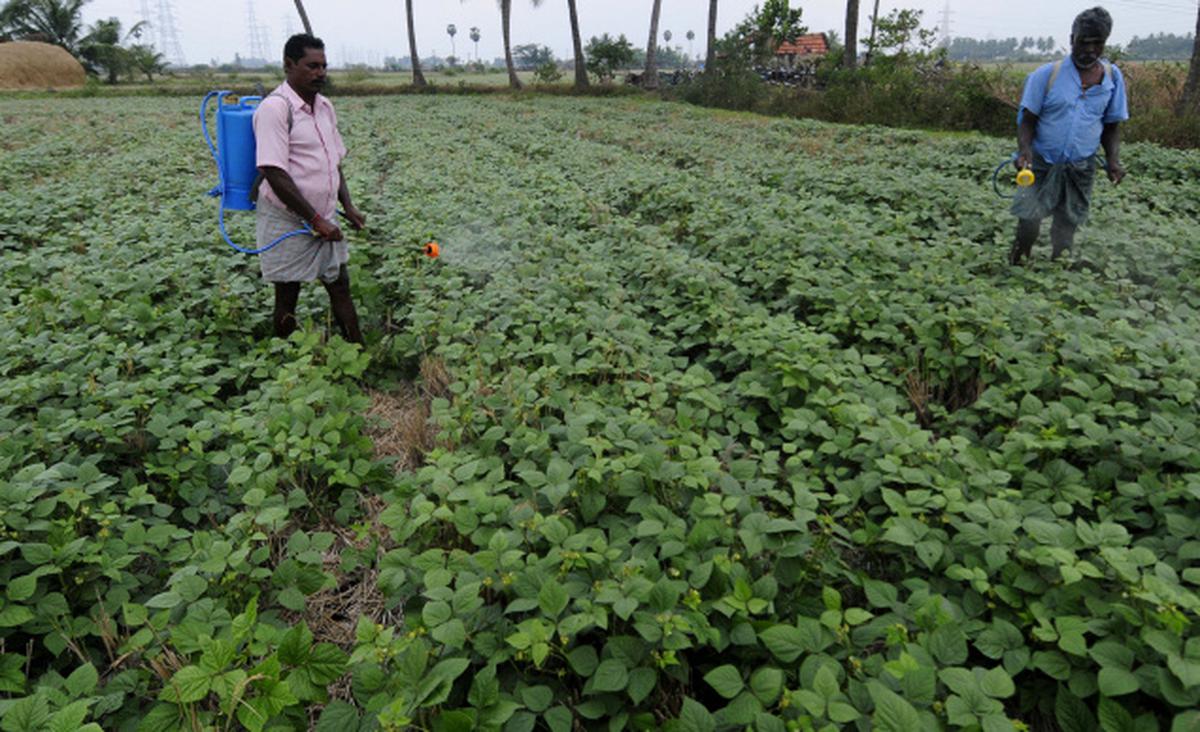
Vijayawada spotlighted Andhra Pradesh’s emergence as a major horticulture hub, producing 275.13 lakh metric tonnes across 15.98 lakh hectares—ranking fifth nationwide. The achievement was underscored during the sixth convocation of a key agricultural university, where experts praised the State’s leadership in cultivating crops like chilli, lime, mango, papaya, and oil palm. Officials attributed the gains to better farm techniques and wider crop coverage, highlighting Andhra’s role in strengthening India’s food security and agri-innovation landscape.
Andhra Pradesh’s robust horticultural growth was celebrated at a recent convocation ceremony, where senior authorities highlighted that the State has emerged as a leader in cultivating key crops like chilli, cocoa, papaya, banana, tomato, mango, and cashew. With 275.13 lakh metric tonnes produced from nearly 16 lakh hectares, Andhra now ranks fifth in the nation’s horticultural output. Experts at the event noted that this transformation has been fuelled by advances in productivity, a systematic expansion of arable land, and sustained support from scientific institutions. Technological integration, soil health mapping, water-use efficiency, and farmer training programmes have also played a pivotal role. The crop diversification strategy, aligned with climate resilience goals, has opened new export markets and created jobs across rural belts. The convocation further underscored the importance of academic collaboration in agricultural innovation, as graduating students were encouraged to apply their expertise in real-world rural challenges and contribute to food system transformation.
India’s broader agricultural success story, marked by a record 354 million tonnes of foodgrain production in 2024–25, set the backdrop for Andhra’s horticultural surge. This year-on-year growth of 6.5% was attributed to better farming practices, digital technologies, and favourable weather. Authorities emphasised the importance of integrating horticulture with national food security frameworks, particularly in light of shifting climate conditions. Andhra Pradesh has not only expanded its cultivated area but also introduced yield-enhancing crops suited to its agro-climatic zones. The success of Andhra’s horticulture reflects a wider trend toward value-added agriculture, with crops like oil palm and lime emerging as key income sources for farmers. Through this lens, the role of research institutions, universities, and field extension networks becomes critical. At the convocation, thought leaders reiterated the need for interdisciplinary approaches that bridge traditional farming knowledge with data-driven agri-tech solutions to build a resilient, sustainable, and inclusive food system.
Andhra Pradesh’s ascent in the national horticulture landscape is a testament to strategic planning, academic research, and farmer resilience. The recognition of its achievements at a major academic convocation not only reinforces the State’s standing in agricultural innovation but also offers a roadmap for other regions. With continued focus on sustainable practices, climate adaptation, and rural education, Andhra is poised to remain a vital contributor to India’s food security and agri-based economy. As the graduating cohort steps into the agricultural sector, their role in ensuring farm prosperity, nutrition security, and technological adoption will shape the country’s future food narrative.