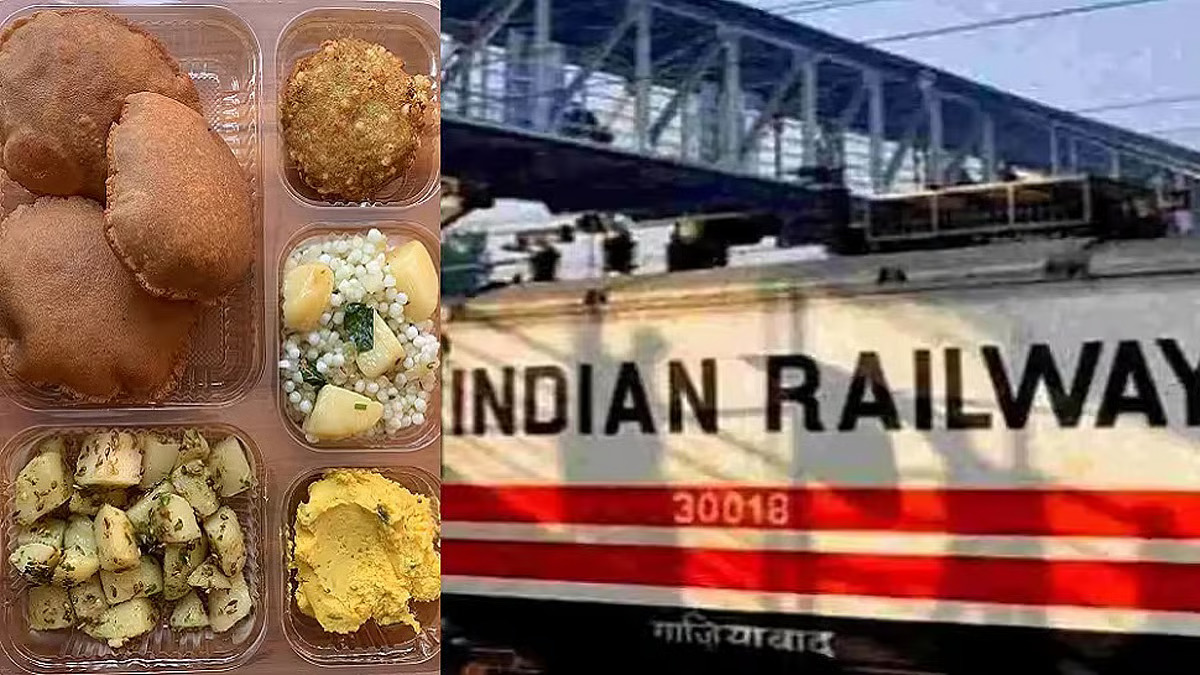
Indian Railways Standardises Meal Prices, Enhances Passenger Experience
Indian Railways has recently clarified its catering policy, publicly detailing the menu and pricing for standard vegetarian meals available on trains and at stations. This transparent move by the Ministry of Railways, communicated via its official social media channels, addresses a long-standing concern for millions of daily travellers who often embark on journeys lasting several hours to multiple days. By standardising costs and contents, the railway aims to ensure that access to wholesome, affordable food is an inherent part of the travel experience, contributing to a more equitable and comfortable journey for all passengers, irrespective of their economic background.
For countless individuals, particularly those undertaking long-distance travel, concerns about food quality, availability, and pricing during train journeys are paramount. Many passengers currently rely on station vendors or train pantry services, often without clear knowledge of the official rates and exact menu offerings. The new advisory from the Railway Ministry seeks to eliminate this ambiguity. A standard vegetarian meal, available at stations, is priced at ₹70. The same wholesome meal, when ordered and served onboard a train, will cost ₹80, reflecting the additional service convenience. This minor difference in price aims to accommodate operational logistics while keeping the meals highly accessible.
The detailed menu for the standard vegetarian thali provides clarity and assurance regarding the meal’s nutritional content and quantity. Each thali includes two parathas or four rotis (100 grams), a generous portion of plain rice (150 grams), dal or sambhar (150 grams), one seasonal vegetable (100 grams), curd (80 grams), and a small packet of pickle (12 grams). This composition is designed to be both healthy and economical, ensuring passengers receive a complete and satisfying meal that caters to diverse dietary preferences while maintaining affordability. This focus on providing nutritious options at a regulated price point underscores the railway’s commitment to passenger welfare as a core aspect of its service.
Beyond the menu and pricing, the Railway Ministry has also empowered passengers by explicitly outlining channels for redressal against malpractice. If any pantry worker or food vendor attempts to overcharge or provides substandard quantities of food, passengers are urged to first present the official railway message detailing the menu and prices. Should the issue persist, passengers are encouraged to lodge a formal complaint through the railway helpline or the online complaint system. This mechanism is crucial for maintaining accountability and ensures that the policy’s benefits translate into tangible improvements for the end-user. It fosters a sense of trust and security among travellers, knowing that their rights as consumers are protected.
This initiative is a subtle yet significant step towards fostering a more sustainable and equitable urban and inter-city travel ecosystem. By providing affordable and healthy food options on trains, Indian Railways supports a large demographic of travellers, including those from lower-income groups, for whom outside food purchases might be a significant financial burden. It reduces the reliance on external food sources, potentially lowering waste generation from external packaging and promoting a more controlled, hygienic food supply chain within the railway system. Furthermore, ensuring access to quality food during travel is a fundamental aspect of passenger well-being, contributing to a more dignified and comfortable journey for all, regardless of gender or social standing. The transparency in pricing also contributes to a fairer service delivery, aligning with principles of equitable access in public amenities.