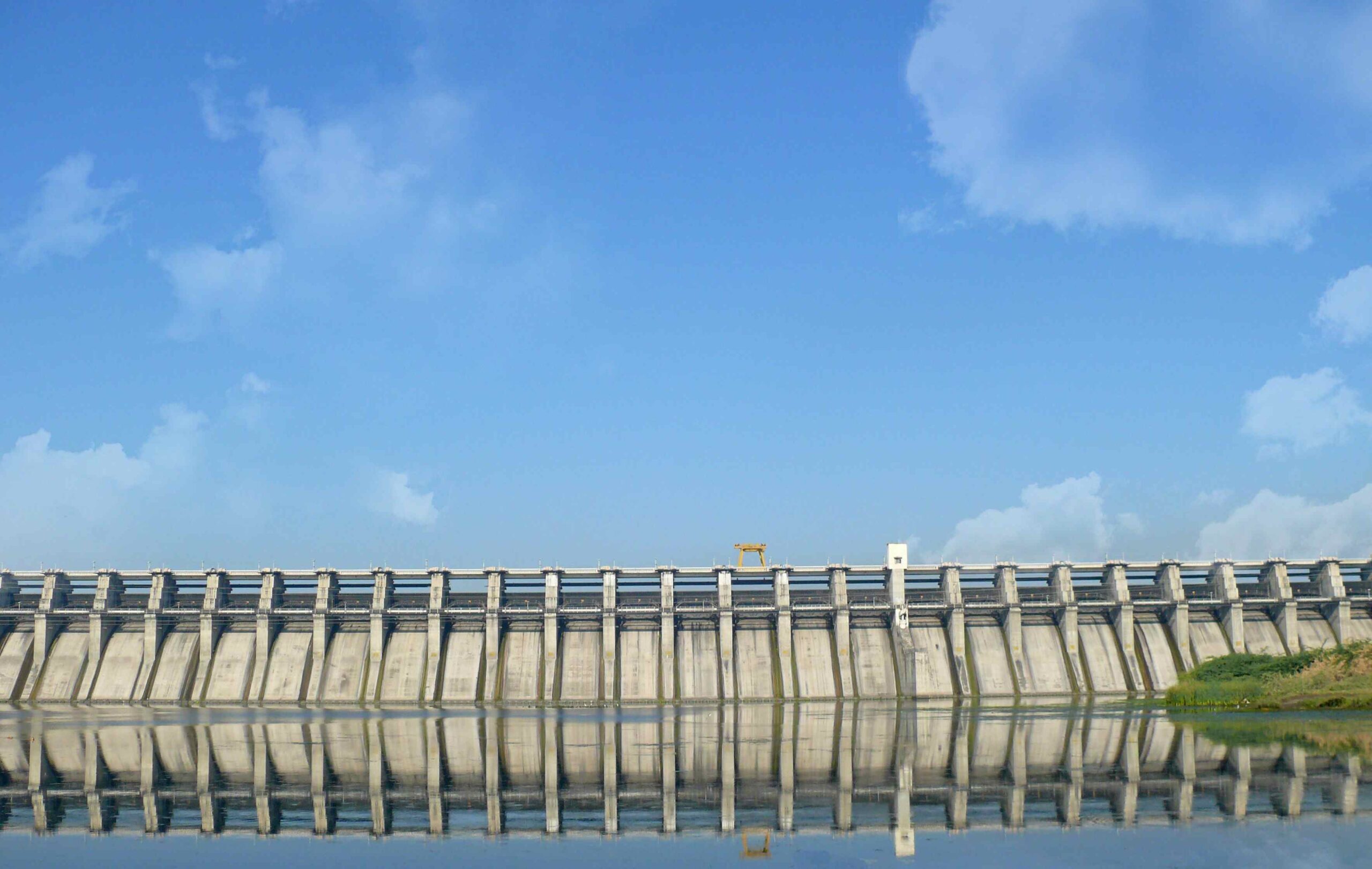
Pune Jayakwadi Dam Records Unusually High Water Storage Despite Marathwada Rainfall Deficit
Pune has reported that the Jayakwadi Dam in the drought-prone Marathwada region is currently holding an unexpectedly high water level of 66.39 percent despite the area facing a 39 percent rainfall deficit this season. This is a significant jump from the meagre 4.12 percent recorded during the same period last year and is being described by officials as unprecedented for the month of July.
Experts say such high water levels in July are extremely rare, as the dam typically holds around 10 percent of its capacity by this time of year. The increase has been attributed to early and intense rainfall in upstream areas, particularly the Nashik district, which recorded 106 percent above normal rainfall. These upstream inflows have significantly contributed to the dam’s storage. The Jayakwadi Dam, located on the Godavari River near Jayakwadi village in Chhatrapati Sambhajinagar district, plays a vital role in providing irrigation, drinking water, and industrial water to a large portion of Marathwada. Often referred to as Nath Sagar, the reservoir is designed to sustain water supply for up to two years for agriculture and up to four years for drinking purposes. It serves districts such as Chhatrapati Sambhajinagar, Jalna, Beed, Ahilyanagar, and Parbhani.
Officials involved in the project stated that no water release is planned yet, as the protocol permits release only after the dam crosses 78 to 79 percent capacity. Decisions will be made once the threshold is reached. According to India Meteorological Department data, Nashik has received 505.8 mm rainfall so far, far exceeding its usual average of 245.2 mm. In contrast, Ahilyanagar recorded only 100.9 mm against a normal of 142.3 mm, showing a 29 percent deficit. Overall, Marathwada has seen 110.2 mm of rainfall against a normal of 181.6 mm, leading to a 39 percent shortfall. However, Chhatrapati Sambhajinagar has performed relatively better with just a 9 percent deficit.
Meteorological experts suggest that rainfall in Marathwada heavily relies on weather systems forming over the Bay of Bengal. This year, the lack of such systems has led to weakened rainfall across the region. Extended forecasts from IMD predict moderate rainfall in Marathwada for the remainder of July. Central Maharashtra, the key contributor to Jayakwadi’s inflows, is expected to continue receiving above-normal rainfall, potentially improving the reservoir’s status further. This is likely to offer significant relief to lakhs of residents dependent on the dam’s supply.
So far this season, central Maharashtra has received 301.6 mm of rainfall compared to its average of 221.9 mm, reflecting a 36 percent surplus. Nashik leads the state in rainfall, followed by Palghar and Pune, which have also recorded excess rainfall. Their contribution remains crucial to water availability in the drier Marathwada belt.