Gurugram Faces Environmental Crisis as Bandhwari Landfill Leachate Seeps Into Villages
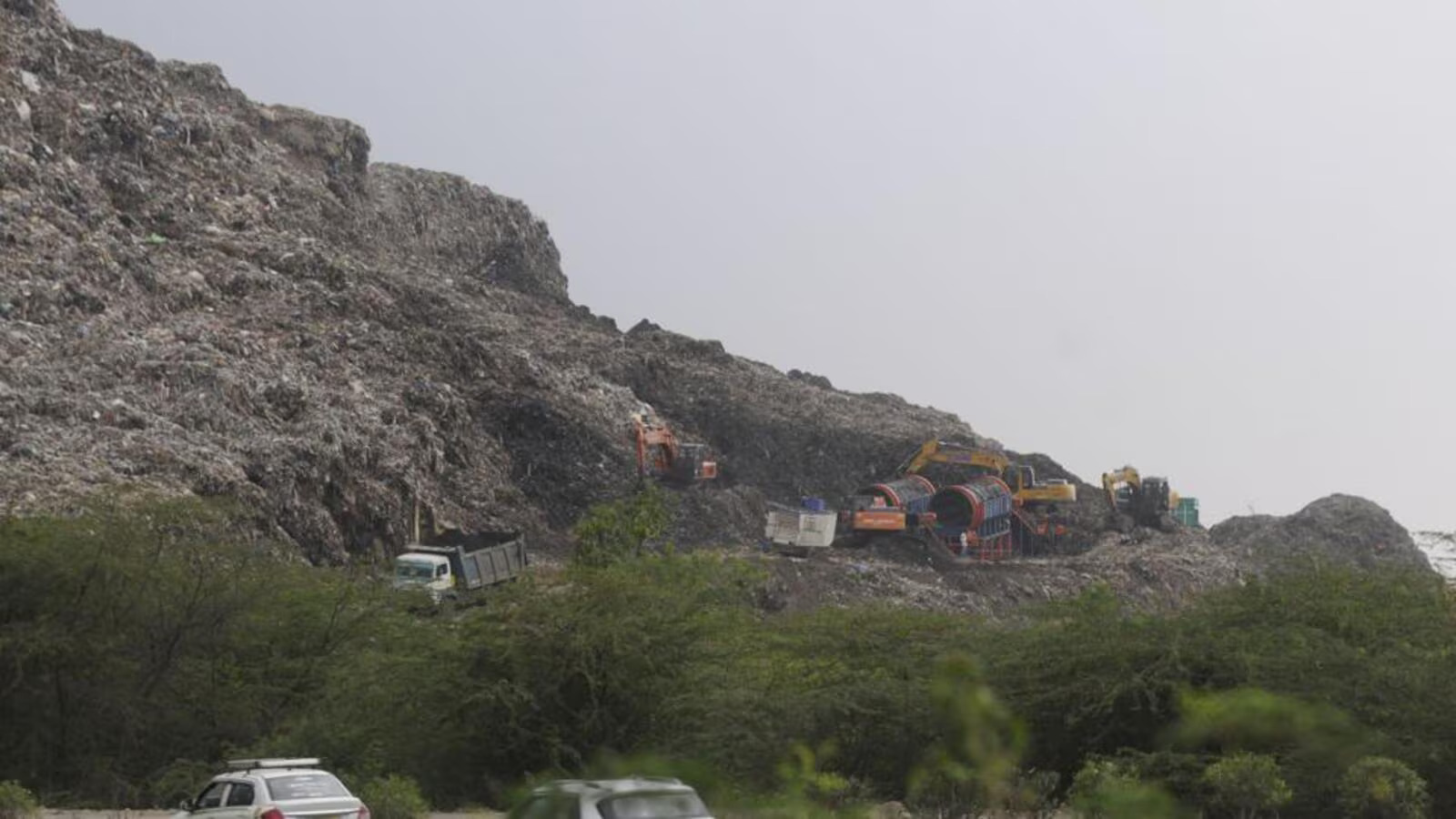
Gurugram, a rapidly urbanising hub, is once again facing a severe environmental crisis as toxic leachate from the Bandhwari landfill flows unimpeded into the ecologically sensitive Aravalli forests and adjacent villages. This persistent issue exposes critical shortcomings in the city’s waste management infrastructure, despite repeated assurances and considerable expenditure. The continuous seepage of hazardous liquid waste not only threatens the region’s last remaining green cover, already vulnerable to deforestation and encroachment, but also poses a grave risk to biodiversity and vital groundwater sources, challenging Gurugram’s aspiration for a sustainable and eco-friendly urban future.
The unchecked overflow of leachate onto the Gurgaon-Faridabad road and into surrounding forest patches has triggered widespread outrage among local residents and environmentalists. This recurring problem highlights a significant disconnect between official claims of swift action and the grim reality on the ground. Despite a recent inspection by municipal authorities and warnings issued to contractors, the flow of contaminated black leachate into the Aravalli zones persists. This directly threatens the delicate balance of the natural ecosystem and jeopardises the groundwater reserves crucial for the sustenance of nearby communities, thereby impacting human health and environmental equity.
Environmental activists point to a troubling pattern of governmental inaction, despite numerous directives from the National Green Tribunal (NGT). Tests conducted on the leachate consistently reveal parameters exceeding permissible limits, underscoring the severity of the contamination. The continued suffering of residents, who contend with polluted surroundings and potential health risks, is a stark reminder of the civic agencies’ inability to effectively manage waste. This ongoing environmental degradation, despite judicial intervention, raises serious questions about accountability and the effectiveness of existing regulatory frameworks designed to protect public health and natural heritage.
Adding to the growing frustration is the substantial financial outlay that has yielded little in terms of tangible results. Over the past five years, the Haryana government and the Municipal Corporation of Gurugram (MCG) have reportedly spent over ₹426 crore on contracts related to legacy waste processing and the establishment of leachate treatment infrastructure, primarily Disk Tube Reverse Osmosis (DTRO) systems. This significant expenditure without demonstrable improvement has led to sharp criticism from environmentalists, who question the efficacy of these investments. The recurring overflow of toxic leachate, especially during monsoon seasons, leads to accusations of financial mismanagement and a severe lack of transparency in the waste management processes.
The direct impact of the leachate on the Aravallis’ fragile ecosystem is a primary concern. The Aravalli Range, a critical green lung for the National Capital Region, is already under immense pressure from various anthropogenic activities. The ingress of toxic liquid waste further exacerbates this vulnerability, threatening native flora and fauna. Studies have indicated that leachate from the Bandhwari landfill has led to groundwater contamination, with several parameters making it unsuitable for drinking and domestic uses. This pollution poses potential health risks due to the presence of heavy metals such as iron, zinc, and nickel, undermining the fundamental right to clean water for the affected communities.
The inaction of the Forest Department in safeguarding this vital ecological zone has also drawn considerable criticism. Despite the evident damage to the forest, there is a perceived lack of proactive intervention and accountability. The transformation of a natural forest into a de facto dumping ground underscores a systemic failure in inter-departmental coordination and environmental governance. The continued presence of this environmental hazard not only compromises the ecological integrity of the Aravallis but also poses a long-term threat to the region’s environmental sustainability and the well-being of its inhabitants.
As Gurugram continues to expand, the Bandhwari landfill crisis serves as a critical case study in the challenges of managing urban waste in rapidly developing cities. The inability to effectively treat and contain leachate, despite considerable financial and judicial pressure, points to a deeper systemic issue requiring urgent and comprehensive reform. Moving forward, a sustained, transparent, and multi-pronged approach, focusing on advanced waste processing technologies, stringent enforcement of environmental regulations, and robust public participation, is essential to mitigate the ongoing harm and steer Gurugram towards a truly zero net carbon and eco-friendly future. Without immediate and decisive action, the environmental degradation caused by the Bandhwari landfill will continue to undermine efforts towards creating a healthy and sustainable urban environment for all.