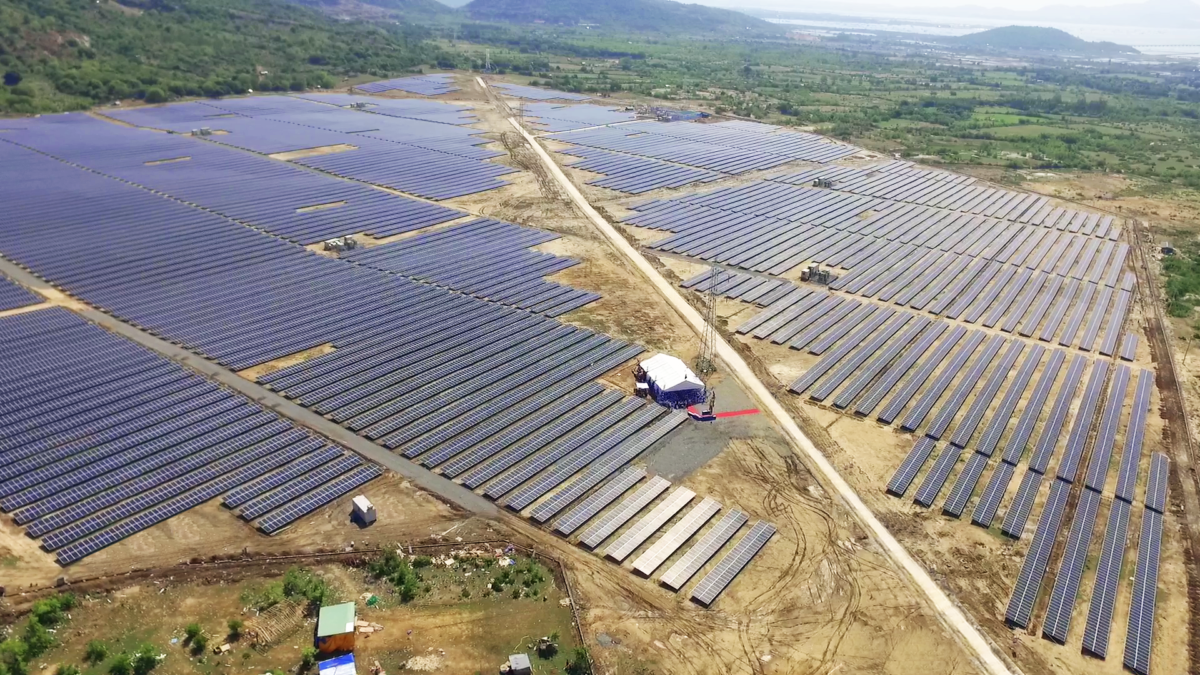
Madhya Pradesh secures 100 MW solar and 200 MWh battery storage project by Hindustan Power
Madhya Pradesh is on track to reinforce India’s green energy landscape as Hindustan Power, led by Ratul Puri, has secured a Letter of Award from SJVN Limited—a Navratna CPSU—for a pioneering 100 MW ISTS‑connected solar project complemented by a 200 MWh Battery Energy Storage System (BESS). This dual installation, the first of its kind in the region, is designed not only to generate clean energy but also to deliver it around the clock, significantly mitigating the intermittency of solar power and ensuring reliable peak-hour supply.
The project, awarded through a competitive tariff-based bidding process followed by an e-reverse auction on the ETS portal, is part of SJVN’s ambitious drive to install 1,200 MW of ISTS-connected solar capacity integrated with 600 MW/2,400 MWh of storage across India. Although the official capacity stands at 100 MW, the actual solar output will exceed this figure to ensure continuous mid-day power output while charging the BESS for evening and morning peak load periods . Grid operators are increasingly looking to solar-plus-storage projects to enhance network stability, match demand cycles, and support energy-shifting. With the ability to deliver clean power even during late afternoon and early evening peaks, the system effectively smooths demand curves and eases pressure on traditional fossil‑fuel power plants . Under a 25-year Power Purchase Agreement (PPA), this project will guarantee firm and dispatchable green energy, reinforcing Madhya Pradesh’s commitment to long-term sustainability.
Ratul Puri said, “By combining solar power with energy storage, we can ensure effective management of peak power demand along with uninterrupted supply even when the sun isn’t shining. I am confident that this will help in building a stronger, more dependable energy system for everyone”. His sentiment captures the heart of modern renewables: reliability through design, not luck. This announcement comes as India ramps up investment in hybrid renewable systems. SJVN and other PSUs are setting higher benchmarks with large‑scale tenders. For instance, Reliance NU Energies secured a 525 MW solar+BESS package at ₹3.33/kWh, and JIRE took a 300 MW hybrid plant at ₹3.32/kWh. These projects reflect the deepening maturity and competitiveness of India’s solar-storage market.
The Madhya Pradesh project also aligns with the national mandate for energy security and sustainability. With India targeting a major share of renewables in total energy mix, solar-plus-storage assets such as this are key building blocks. By smoothing out the gaps in power supply, they reduce dependency on grid reserves and fossil-fired peaker units—thus curbing emissions and increasing system flexibility. Moreover, ISTS-connected hybrids leverage shared transmission infrastructure, reducing grid upgrade costs. They can reroute clean electricity across state borders to meet broader demand, making them strategic assets for India’s evolving energy economy.
The plant’s commissioning is expected in the next 18 to 24 months, with early groundwork including land allocation, regulatory clearances, module procurement, battery supply agreements, and grid connectivity planning underway. Backed by Ratul Puri’s proven track record and corporate capacity, the project is expected to stay on schedule and meet technical standards. However, hurdles remain, such as soil suitability, availability of land parcels, and integration with existing grid substations. Ensuring local partner coordination, arranging environmental clearances, and mobilising investments will be crucial. But the deal represents a step forward in making renewable energy not just clean, but dependable.
Hindustan Power’s emerging portfolio demonstrates strong positioning in this new era. Beyond the Madhya Pradesh solar-battery park, the company has secured a 120 MWh standalone BESS project in Bihar under a separate Letter of Intent from BSPGCL.This shows a broader intent to diversify into strategic power assets, not only generation. This solar-plus-storage project thus marks more than a contract—it is a roadmap for India’s energy transition, blending renewable generation with grid-grade dispatch. In Madhya Pradesh, this installation could power thousands of households, stabilize the regional grid, and reduce carbon emissions by hundreds of thousands of tons annually.
As bidding processes open under SJVN and other central tenders, a wave of hybrid infrastructure projects is expected. With global capital increasingly favoring green solutions, domestic players like Hindustan Power are capitalizing on this demand, emerging as growth leaders in sustainable energy.
Hindustan Power’s Solar + BESS project is an institutional bet on a carbon-free energy future—a bet firmly rooted in local action with national impact. In strategic regions like Madhya Pradesh, these power plants are not just engines of electrons; they are lifelines for an India that demands cleaner air, stable power, and energy sovereignty.