


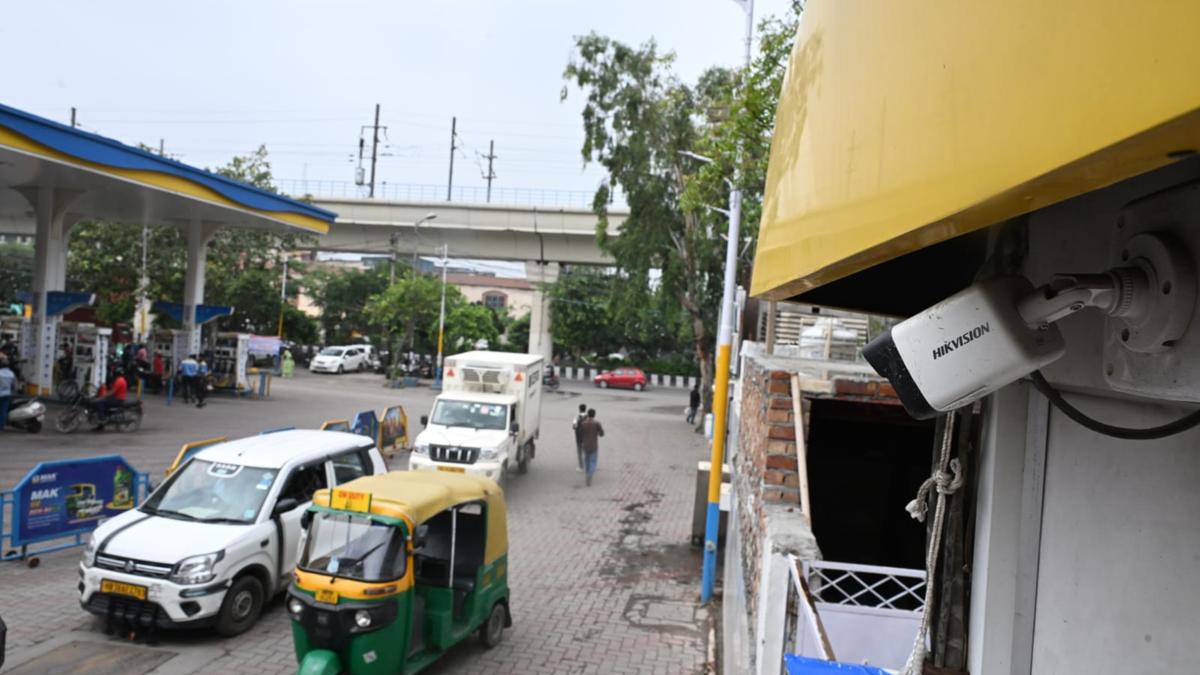
Delhi’s recent enforcement of a fuel ban on older diesel and petrol vehicles, effective July 1, 2025, has ignited a fervent public debate, particularly among vehicle owners grappling with the policy’s immediate financial and emotional repercussions. While the stringent measure aims to combat the capital’s severe air pollution, it is drawing criticism for its blanket age limits, prompting calls for more nuanced, emission-based approaches. This unfolding scenario highlights the complex balance required to foster eco-friendly, zero net carbon cities while ensuring equitable and humane urban transitions.
The Delhi government’s decision to prohibit fuel sales to petrol vehicles older than 15 years and diesel vehicles older than 10 years is a direct response to longstanding judicial directives and the city’s persistent struggle with hazardous air quality. However, the policy’s implementation has brought to the fore the unintended consequences for responsible vehicle owners who have meticulously maintained their assets. The case of Ritesh Gandotra, whose well-preserved 8-year-old diesel Range Rover is now rendered unusable in the National Capital Region, has resonated widely across social media, accumulating over 347,000 views and sparking a flood of similar grievances.
Gandotra’s poignant account, detailing how his vehicle, with just 74,000 kilometres on the odometer and significant life left, is now forced into a “throwaway price” sale outside the NCR, encapsulates the emotional and financial distress many are experiencing. He highlighted that two years of the vehicle’s life were spent largely parked during the COVID-19 pandemic, effectively reducing its active service period. His critique extends to the financial burden of replacement, noting that acquiring a new diesel SUV would incur a substantial 45% Goods and Services Tax (GST) and cess, leading him to question whether the policy acts more as a penalty on diligent ownership than a genuine environmental measure.
The public outcry on social media underscores a significant disconnect between the policy’s intent and its practical impact on individual citizens. Numerous users echoed Gandotra’s frustration, advocating for a re-evaluation of the blanket ban. A recurring suggestion is the adoption of a fitness or emissions test-based system, akin to models prevalent in Europe. Proponents of this alternative argue that such a system would offer a more balanced and equitable approach, allowing well-maintained older vehicles that meet emission standards to continue operating, while targeting truly polluting vehicles irrespective of their age. This approach aligns with principles of resource efficiency and circular economy, reducing premature scrapping of usable assets.
The current policy’s rigid enforcement, while effective in reducing the sheer number of older vehicles, faces criticism for its perceived lack of scientific granularity. As one social media user pointed out, “A poorly maintained five-year-old car will still be on the road, while a well-maintained 10+ year vehicle gets scrapped.” This highlights the need for a more sophisticated regulatory framework that prioritises actual emissions over arbitrary age limits. Experts suggest that a combination of stringent emission-based rules, robust public transport infrastructure, and incentive-backed scrappage programmes could offer a more equitable and effective path forward for Delhi’s transition to cleaner transportation. Such incentives could ease the financial burden on vehicle owners and encourage a smoother shift towards newer, eco-friendly models, including electric vehicles.
The debate in Delhi serves as a crucial case study for other rapidly urbanising Indian cities grappling with air pollution and the imperative for sustainable mobility. While the goal of achieving zero net carbon and eco-friendly cities is paramount, the transition must be managed with a keen awareness of its socio-economic implications. Policies that are perceived as punitive rather than facilitative can erode public trust and hinder widespread adoption of environmental initiatives. Moving forward, a collaborative approach that integrates technological solutions, economic incentives, and transparent communication will be essential to ensure that environmental policies contribute to truly equitable and gender-neutral urban environments, where the benefits of cleaner air are accessible to all without undue burden.
Also Read: NHPC, IOCL Join Forces to Develop Green Hydrogen, Hydro Projects

