


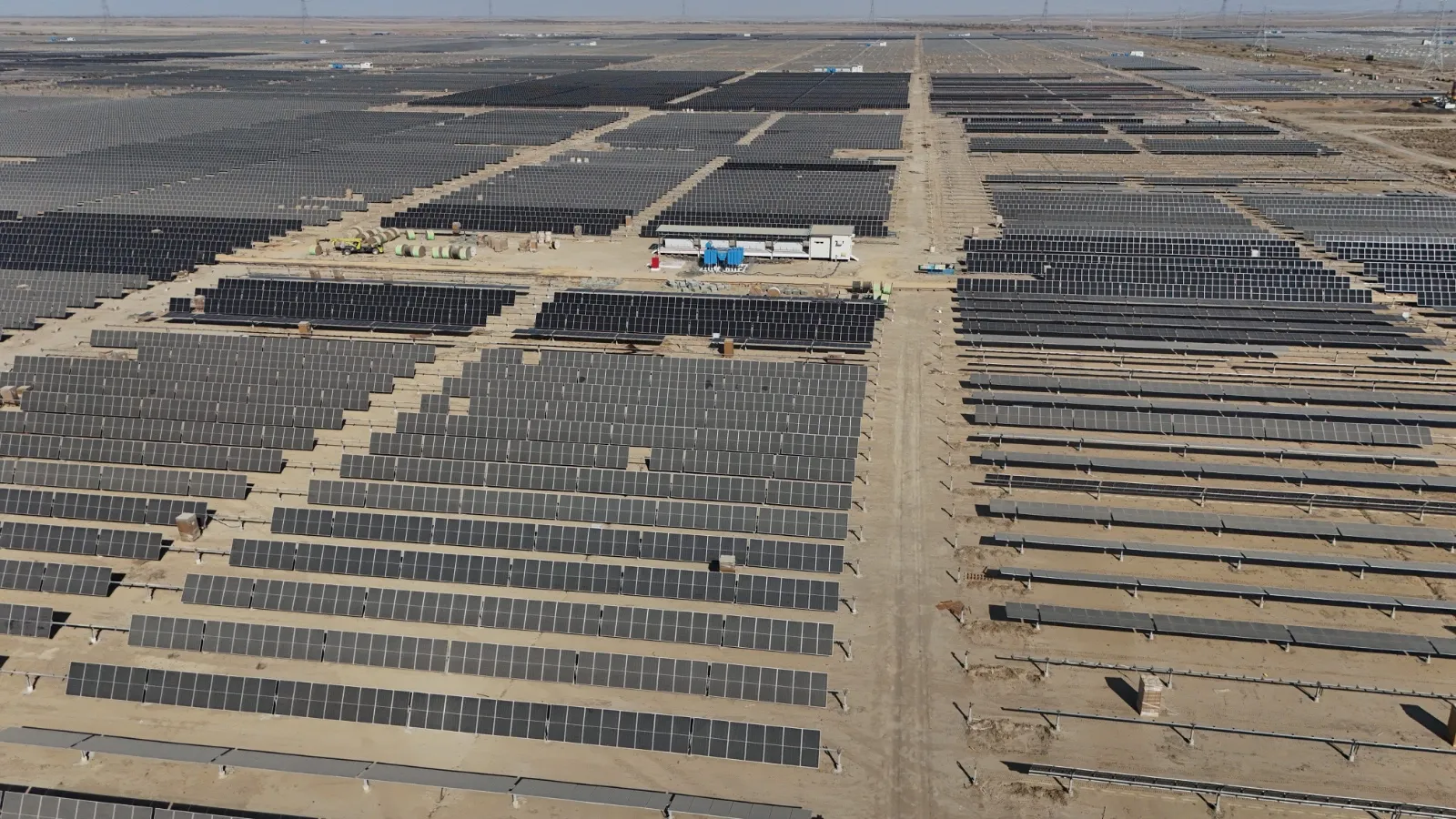
NTPC Green Energy has declared the commercial operation of an additional 32.8 MW capacity at its 300 MW Khavda Solar Energy Project in Bhuj, Gujarat. This crucial milestone, part of the larger 450 MW Hybrid Tranche-V Project, significantly bolsters India’s renewable energy portfolio. It underscores a robust commitment to fostering a zero net carbon future, enhancing energy security, and driving sustainable, eco-friendly urban and industrial development across the nation.
The commissioning of this 32.8 MW unit, effective June 30, 2025, represents the second part capacity to become commercially operational within the ambitious Khavda Solar Energy Project. This follows the successful declaration of the first part capacity, an impressive 142.2 MW, which commenced commercial operation on June 28, 2025. This systematic and phased approach to bringing online such a large-scale solar facility demonstrates efficient project management and a strategic commitment to rapidly expanding renewable energy generation. Located in Gujarat, a state at the forefront of India’s green energy revolution, this project contributes significantly to the national grid’s clean energy share, reducing reliance on fossil fuels and mitigating greenhouse gas emissions.
The Khavda Solar Energy Project, being developed under a hybrid tranche, signifies the innovative approaches being adopted to integrate different renewable energy sources and maximise efficiency. For NTPC Green Energy, a wholly-owned subsidiary of the state-owned power giant NTPC Ltd, these commissioning milestones reinforce its pivotal role in India’s renewable energy landscape. Such large-scale solar installations are instrumental in meeting the nation’s burgeoning energy demands while simultaneously addressing climate change imperatives, thereby contributing directly to the creation of sustainable and resilient cities that are less dependent on conventional power sources.
From an environmental perspective, the continuous addition of solar capacity is paramount for achieving India’s ambitious climate targets. Solar photovoltaic (PV) technology produces clean electricity without emitting greenhouse gases during operation, making it a cornerstone of a zero net carbon economy. The Khavda project, once fully operational, will displace a substantial amount of electricity generated from conventional fossil fuel sources, leading to significant reductions in air pollution and carbon emissions. This transition towards cleaner energy is vital for improving public health outcomes in urban areas and preserving natural ecosystems, ensuring a healthier living environment for all citizens.
Moreover, the development of such large-scale renewable energy projects has profound socio-economic benefits, contributing to equitable and gender-neutral development. These projects generate substantial employment opportunities during construction, operation, and maintenance phases, providing livelihoods for local communities. They also stimulate the growth of ancillary industries, fostering skill development and technological innovation within the green energy sector. By ensuring a stable and clean power supply, these projects support industrial growth and urbanisation in a sustainable manner, providing reliable energy access for homes, businesses, and public services alike, thereby enhancing the overall quality of life and fostering inclusive growth.
Gujarat’s strategic location and abundant solar irradiation make it an ideal hub for renewable energy projects. The state has actively promoted green energy initiatives, attracting significant investments in solar and wind power. The ongoing expansion of the Khavda project further solidifies Gujarat’s role as a leader in India’s clean energy transition, setting a precedent for other states to follow. This commitment to renewable energy infrastructure is not just about power generation; it is about building a sustainable future for India, characterised by energy independence, environmental stewardship, and inclusive economic growth. The phased commissioning ensures that the benefits of clean energy are steadily integrated into the national power grid, powering progress across urban and rural landscapes.
Also Read: Bhiwandi Set to Emerge as Asias Logistics Powerhouse
