


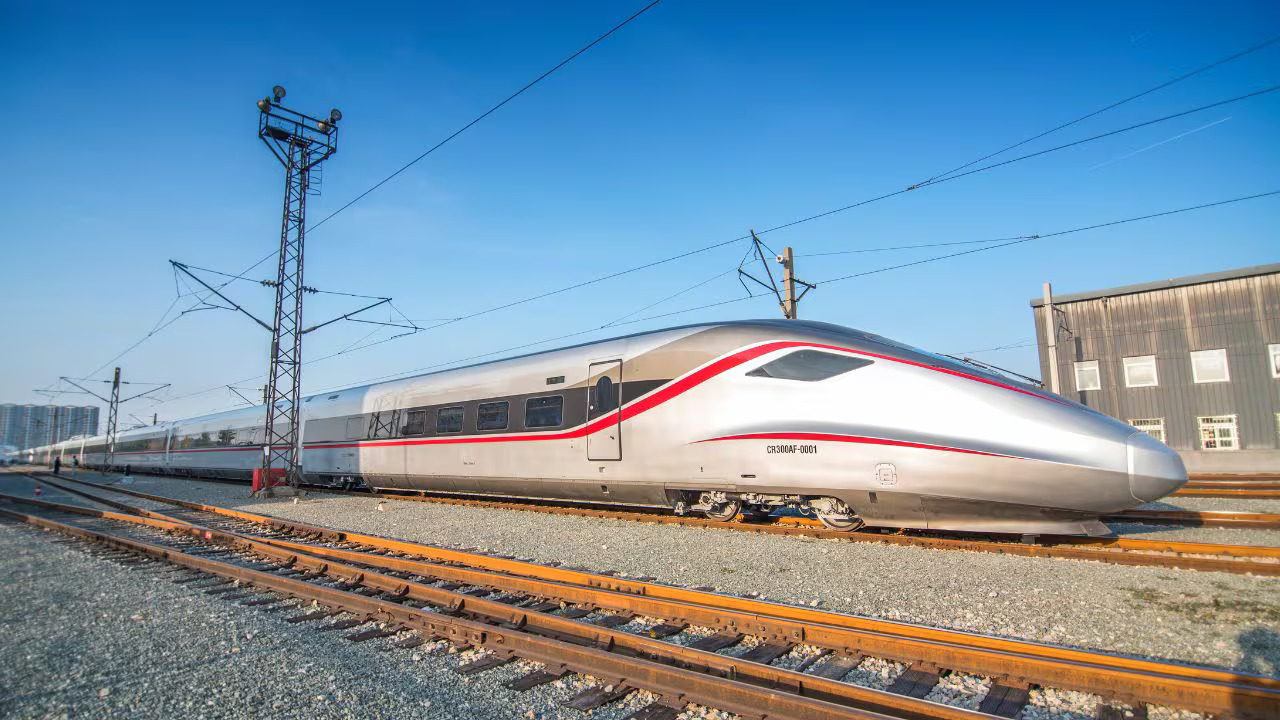
Udaipur is poised to materialise, as a proposal to extend the Mumbai-Ahmedabad high-speed rail corridor to Delhi gains momentum. This ambitious expansion, set to connect the financial capital to the national capital via Udaipur, Ajmer, Jaipur, and Alwar, marks a transformative leap in India’s transportation infrastructure. It promises to revolutionise inter-city travel, significantly reduce carbon footprints, and foster sustainable, equitable urban development across key regions.
The blueprint for this approximately 878-kilometre high-speed corridor, where trains are envisioned to operate at speeds up to 350 km per hour, signifies a strategic alignment with India’s vision for advanced, eco-friendly mobility. Railway Minister Ashwini Vaishnav confirmed in Parliament that a detailed DPR (Detailed Project Report) for the Delhi-Ahmedabad High-Speed Rail Corridor has been meticulously prepared and is currently under feasibility study by the Ministry of Railways. This rigorous planning ensures that the project’s complex engineering, environmental impact, and socio-economic benefits are thoroughly assessed, laying a robust foundation for its eventual implementation.
Rajasthan is set to emerge as a central beneficiary of this transformative project, with a significant 75 per cent of the Delhi-Ahmedabad corridor, spanning 657 kilometres, traversing through the state. This extensive network will connect 335 villages across seven key districts: Alwar, Jaipur, Ajmer, Bhilwara, Chittorgarh, Udaipur, and Dungarpur. To facilitate this monumental undertaking, a dedicated 64-kilometre high-speed trial track for the bullet train is already under construction near Sambhar Lake in Nagaur district, under the Jodhpur Railway Division, at an estimated cost of ₹800 crore. This preparatory work underscores the tangible progress towards bringing high-speed rail to the heart of Rajasthan.
Udaipur, the ‘City of Lakes,’ stands to gain immensely from this proposed connectivity. Reports indicate that a substantial 127 kilometres of the track will be laid within Udaipur district itself, navigating challenging terrain through five rivers and eight tunnels. The proposed corridor includes 11 stations between Delhi and Ahmedabad, with nine strategically located within Rajasthan. These include stops at Udaipur, Dungarpur (Kherwada), Bhilwara, Shahjahanpur, Chittorgarh, Ajmer, Vijaynagar, Jaipur, and Alwar (Behror). While Jodhpur will not fall directly on this route, the overall enhancement of rail infrastructure will significantly boost regional connectivity, offering seamless travel options for millions.
The strategic shift towards high-speed rail embodies a profound commitment to environmental sustainability. Electric-powered bullet trains produce significantly lower carbon emissions per passenger-kilometre compared to traditional modes of transport like air travel or road transport. By offering a faster, more efficient, and comfortable alternative, this project is expected to encourage a substantial modal shift, thereby contributing directly to India’s ambitious targets for achieving zero net carbon emissions. The meticulous planning, including tunnels and bridges, aims to minimise ecological disruption, ensuring that development proceeds hand-in-hand with environmental stewardship.
Beyond the environmental benefits, the high-speed corridor is poised to unlock unprecedented socio-economic opportunities, fostering more equitable and gender-neutral cities. Enhanced connectivity will facilitate easier access to economic hubs, educational institutions, and healthcare facilities for communities along the route. It will stimulate local economies, create numerous direct and indirect employment opportunities during both construction and operation phases, and attract further investment into the regions. By reducing travel time and increasing accessibility, the project aims to bridge urban-rural divides, ensuring that the benefits of progress are broadly distributed, empowering individuals and communities across Rajasthan and beyond.
The proposed Delhi-Ahmedabad bullet train corridor, with its transformative impact on Udaipur and the wider Rajasthan region, represents a pivotal moment in India’s infrastructure narrative. It is a testament to the nation’s resolve to embrace advanced technology for public welfare, ensuring that its rapidly growing urban centres are connected by efficient, sustainable, and world-class transportation systems. This project is not merely about speed; it is about building a future where connectivity fuels prosperity, environmental responsibility, and social equity for all citizens.
Also Read: Guwahati Restores Full Rail Connectivity to Northeast After Landslides
