


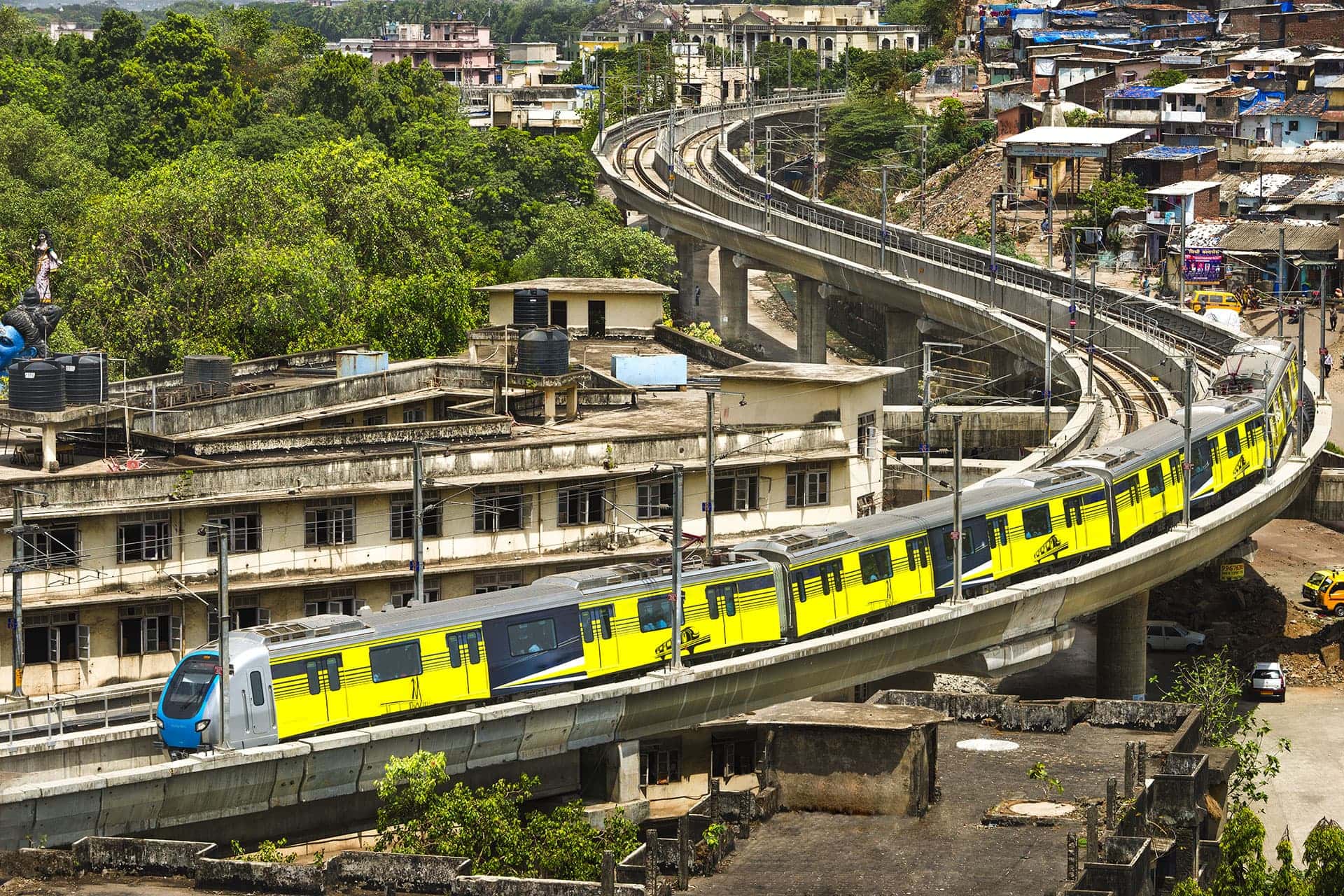
Thane’s Metro network is facing renewed scrutiny as officials have urged the state government to revise proposed station names on upcoming corridors, alleging they overlook local heritage and favour real estate branding. The appeal seeks to ensure that names on Metro Lines 4, 9, and 10 reflect the cultural and geographic identity of tribal and fishing communities in the region, amid rising concern that public infrastructure is being co-opted for private commercial gain.
The proposed revision was initiated through a formal communication from the Transport Department to the Deputy Chief Minister, urging a reconsideration of how metro station names are selected, particularly in Thane and Bhayandar. According to officials, the names for stations along these metro lines were finalised by the Mumbai Metropolitan Region Development Authority (MMRDA) without adequate consultation with local residents or representatives. The letter raised objections to what it termed as the “commercialisation” of public transport infrastructure, citing instances where station names were reportedly inspired by or directly referenced real estate projects. Officials have argued that such naming practices risk erasing the historic and cultural relevance of neighbourhoods, many of which have deep roots among indigenous, tribal and fishing communities.
The Transport Department has also proposed that key metro infrastructure such as car depots should reflect heritage identities. For instance, a request was made to name the Dongri metro car shed after the Velankanni Devi Temple, a prominent religious site in the region. Another suggestion called for naming the Mogharpada depot in honour of Kaparadev, a local deity venerated in the area. Urban planning experts have echoed concerns about the lack of participatory decision-making in transport infrastructure, noting that metro systems, which serve millions, must align with community sentiment and inclusive development principles. A senior policy analyst at a Mumbai-based think tank noted that naming is more than semantics; it’s a symbolic act that should honour local memory and foster place-based identity.
Sources familiar with the MMRDA’s naming conventions have defended the process, arguing that names are chosen for clarity, navigational ease, and connectivity logic. However, critics insist that such justifications cannot come at the cost of erasing marginalised voices or privileging private interests in public projects. The naming row also draws attention to a broader issue plaguing Indian cities—how urban development is often driven by speculative real estate investments rather than community-first design. In many instances, infrastructure has been seen serving the market rather than the citizen, with names, alignments, and stations quietly shifting to cater to future township prospects rather than existing residents. The appeal also aligns with growing calls across Indian metros to democratise urban planning. Cities such as Bengaluru and Chennai have recently seen public backlash against similar top-down decisions, including naming of flyovers and stations, resulting in revisions and greater civic engagement. Thane’s situation adds to this emerging trend where governance is increasingly expected to be participatory, transparent, and rooted in cultural context.
Officials from the Transport Department have maintained that the move is not politically motivated but is rooted in a desire to preserve intangible heritage and resist the commercial dilution of public assets. They argue that names reflecting regional identity will not only ensure familiarity for commuters but also bolster the emotional ownership of the infrastructure among residents. Community leaders and local historians in Thane have welcomed the proposal, stating that such steps are essential for ensuring historical continuity and civic pride in fast-changing urban landscapes. They argue that names like Velankanni and Kaparadev symbolise centuries-old traditions that continue to define the cultural ethos of the area.
As the final decision rests with the state leadership, civic observers are watching closely. The outcome could set a precedent for future infrastructure projects across Maharashtra. A senior planner involved in Mumbai’s transit development said that the controversy underscores the urgent need for developing transparent naming policies that balance functionality with cultural authenticity. With Metro Lines 4 (Wadala-Kasarvadavali), 9 (Dahisar East-Mira Bhayandar) and 10 (Gaimukh-Shivaji Chowk) poised to redefine regional connectivity, the Transport Department’s push to reclaim naming rights for local communities has introduced a rare moment of reflection in Maharashtra’s infrastructure narrative. Whether the state acts upon these recommendations may determine if future growth will preserve the soul of its cities or simply pave over it in the name of progress.
Also Read : Chennai Launches ₹800 Crore Logistics Park at MWC to Boost Industry Growth
