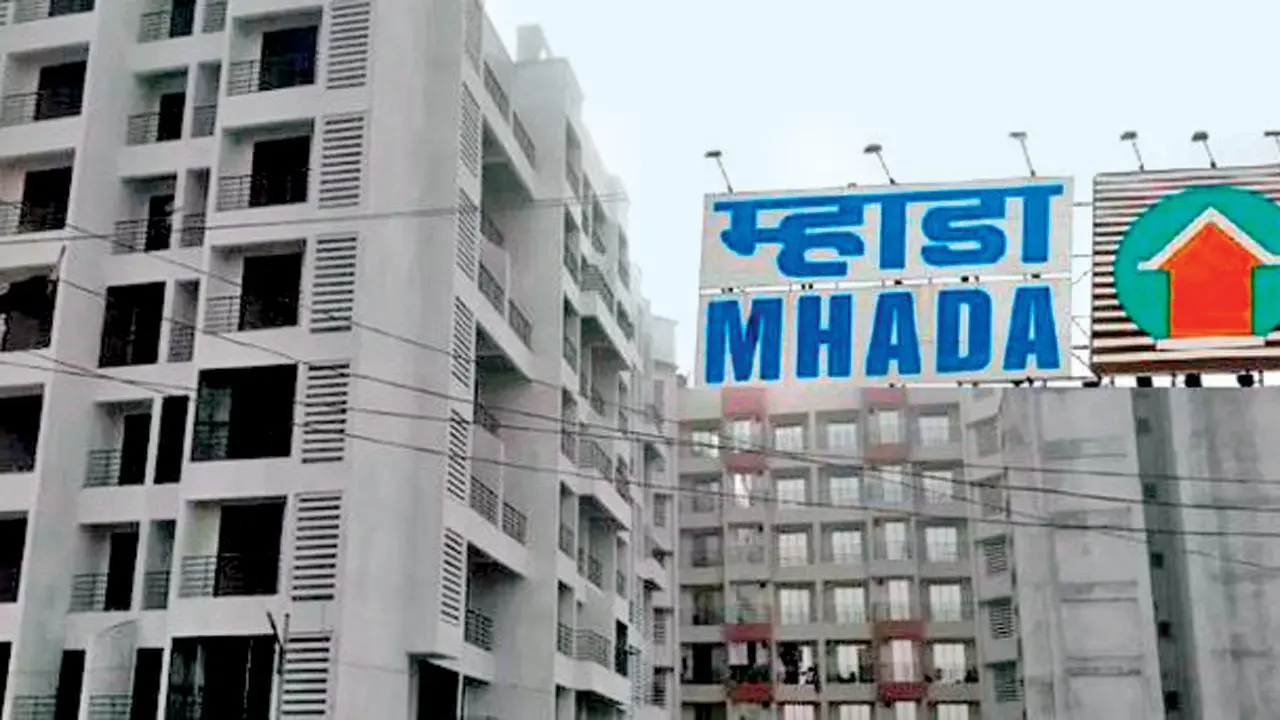
MHADA Appoints Keystone Realtors to Redevelop GTB Nagar Sindhi Colony
MHADA has formally engaged Keystone Realtors for the comprehensive redevelopment of 25 buildings at GTB Nagar, marking a watershed for sustainable, equitable housing initiatives in the city. Mumbai’s GTB Nagar is set to undergo a transformative redevelopment with Keystone Realtors, part of the Rustomjee Group, spearheading the project under MHADA’s aegis. This initiative will deliver 635 sq ft homes free to each eligible displaced family, alongside an additional 25,700 sq m of housing stock for MHADA—sustaining the authority’s broader public housing mandate
Originally constructed in 1958 for post‑Partition Sindhi refugees, the 25 dilapidated buildings once accommodated roughly 1,200 families across 11.2 acres. Following the BMC’s 2020 unsafe‑structure order and subsequent demolition, many families have lived in interim rentals for years. This redevelopment marks MHADA’s first private‑land cluster project under DCPR 33(9) regulations, authorised by the state cabinet on 14 February 2024 and reiterating MHADA’s role as Special Planning Authority in a Government Resolution issued on 23 February 2024.
Residents will also receive a monthly rent allowance of ₹20,000 until completion, with MHADA covering maintenance for five years post-handover. The site’s legal journey has been complex: a Bombay High Court stay in April 2024—sparked by a dispute from Lakhani Housing—was overturned by November 2024. The courts upheld MHADA’s status and confirmed private agreements were superseded by the interests of the cooperative society formed by tenants. This flagship project forms part of MHADA’s wider 100‑day initiative unveiled at the start of 2025, which pledged over 35,000 homes across Mumbai—including slum rehabilitation in Sanjay Gandhi National Park and cluster renewal in Abhyudaya Nagar.
Under a tender process initiated soon after the legal clearance, MHADA received bids from major developers including Keystone and Runwal Developers; Keystone subsequently secured the Letter of Intent following technical and financial vetting .
MHADA leadership emphasised this redevelopment as a “historic model” of socially equitable housing on private land, to be governed through a master plan with oversight by a resident committee to ensure transparency, efficient delivery, and alignment with inclusive city-building principles. From a green urbanism lens, the project exemplifies sustainable redevelopment: by rebuilding within the existing footprint, MHADA minimises displacement and urban sprawl risk. Plans include eco‑friendly building standards, long‑term maintenance, and rental support that collectively promote low‑carbon living and social cohesion. Expert urban planners describe this as setting a precedent for gender‑neutral communities by offering high‑quality housing to refugees without bias, along with communal governance structures to foster agency among residents. Moreover, with approximately 200 additional slum units in the same parcel, the initiative’s potential for inclusive urban integration is substantial.
Crucially, this project could catalyse a shift in MHADA’s redevelopment strategy—from sporadic slum rehabilitation to full‑cluster revitalisation, blending public housing provision, private developer expertise, and community leadership. The dual outcome is tangible: residents receive permanent homes in their socio‑cultural milieu, while MHADA secures sustainable stock for future public allocation. While the city’s housing shortages persist, GTB Nagar’s revival signals a scalable approach for Mumbai and other Indian metropolises confronting ageing settlements and refugee rehabilitation. The stringent regulatory framework—DCPR, cooperative approvals, and judicial oversight—aims to pre‑empt exploitation and ensure equitable delivery.
As redevelopment begins imminently, critical milestones lie ahead: finalising residents’ committee appointments, approving the master plan, initiating construction, and ensuring rental and maintenance support continue unhindered.
From an equity and city-building viewpoint, the project strikes the right balance—preserving human dignity through high-quality housing in place, advancing sustainability, and demonstrating that large-scale urban restructuring can serve public interest, not just private gains.
If executed with transparency and community engagement, the GTB Nagar story could become a compelling blueprint for Mumbai’s trajectory toward zero‑net‑carbon, inclusive, and gender‑neutral urban corridors—where displacement becomes temporary, land is optimised, and communities lead their own resurgence.