Nagpur Wildlife Overpasses Proposed For Safer Highway Corridors
Mumbai’s thirst for water is poised to cost the Western Ghats dearly, as the Maharashtra government revives the long-dormant Gargai dam proposal—an infrastructure project that will cut down three lakh trees, submerge six villages, and flood over 844 hectares of forest and tribal land in the Tansa Wildlife Sanctuary.
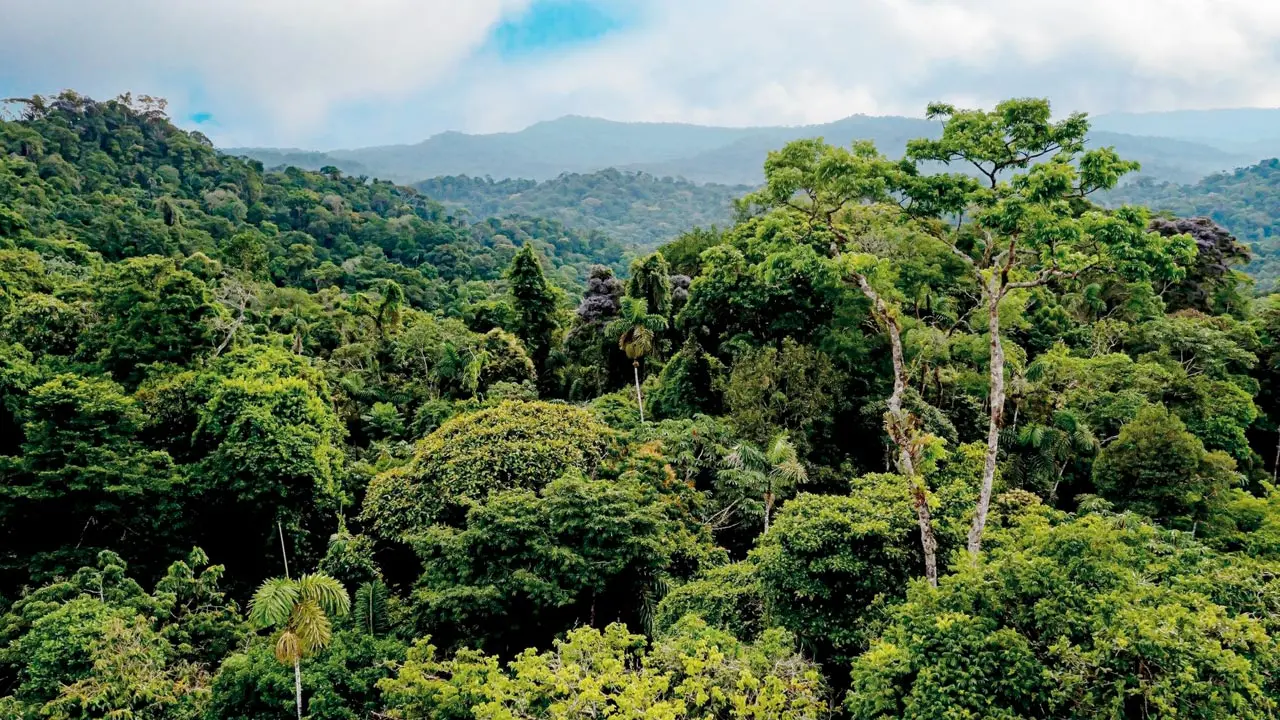
The dam is being pushed as a key water supply source for Mumbai by 2030, but environmentalists warn that the cost to the ecology and the affected tribal communities will be irreversible. The Gargai River, a tributary of the Vaitarna, cuts through the Tansa Wildlife Sanctuary—a dense 320 sq km forest that’s part of the UNESCO World Heritage-listed Western Ghats and classified as a biodiversity hotspot. “Both the wildlife sanctuary and the reserved forest are high quality and not degraded forests,” said environmentalist Kedar Gore, noting that over 400 species of flora, fauna, and fungi were documented here in just an eight-day assessment in 2021.
Despite the Maha Vikas Aghadi scrapping the dam proposal in 2022 over its large-scale ecological impact, the current Mahayuti-led government has greenlit the revival. According to officials, 3 lakh trees will be felled or transplanted for dam construction and an additional 3 lakh trees for village resettlement. Chief Minister Devendra Fadnavis, who heads the state wildlife board, recently instructed the forest department to submit a “flawless” proposal before the National Wildlife Board to speed up clearances. A forest official stated that since the project is for drinking water, it does not require environmental clearance—but it still mandates forest and wildlife clearances, as the site falls inside a wildlife sanctuary.
The dam will impact 658 hectares of forest land and 186 hectares of tribal land, affecting six villages. “Only two villages are going to be submerged, but we are shifting the other four too,” said BMC’s official. “The Nashik-Wada state highway, which currently passes through the sanctuary, will also be relocated, effectively sealing off access to the forest, which will be handed over to the forest department for regeneration.” However, Gore warns that the forest in question is “dense and teeming with wildlife,” and will be completely inundated. Echoing this, another forest official questioned whether Mumbaikars who fought to save 2,000 trees in Aarey Colony would now protest for the six lakh trees under threat.
Criticism also came from environmentalist, who said the BMC should prioritise fixing systemic water losses. “Mumbai receives 4,000 million litres daily, but over 30% is lost to leaks and theft.
Despite this, authorised buildings receive just 90–135 litres per capita per day, and slums get 45. The water tanker mafia is profiting from these gaps,” he said, calling the dam project an “environmental disaster.” The concern isn’t just about trees or water loss. Demographics also challenge the need for a new dam. A 2024 government report projected that Greater Mumbai’s population will plateau by 2047, shrinking from 50% to 36% of the MMR total. But Bangar argued that the suburban population is still growing, with 8 million daily suburban train commuters, and final census data is awaited.
Villagers in Khodade, one of the six affected villages, voiced their concerns, said, “We grow rice, millets, and vegetables. If the dam comes, our land will be under water. We want land for land.” Her younger son recently received a home under the Gharkul Yojana but the family refuses to shift to an urban setting. The villages are to be relocated to Desai, a reserved forest plot 2 km from the dam site, owned by the Forest Corporation of India. To rehabilitate 2,500 families, another 3 lakh trees will need to be cleared. A forest official warned that felling trees on steep slopes is dangerous and could cost lives. “This is dense forestland. Once gone, it’s gone for good.”
Meanwhile, BMC’s Bangar said that desalination remains an alternative water source in consideration, though it would only augment supply by 10%. For the Gargai project, compensatory afforestation will be carried out in Chandrapur district, adjacent to Tadoba sanctuary. “The forest department still has to provide an additional 250 hectares for this purpose,” he said.
As debates rage, six villages await displacement, and six lakh trees await their fate. Whether Mumbai can justify the environmental and human cost of this dam remains a pressing question.