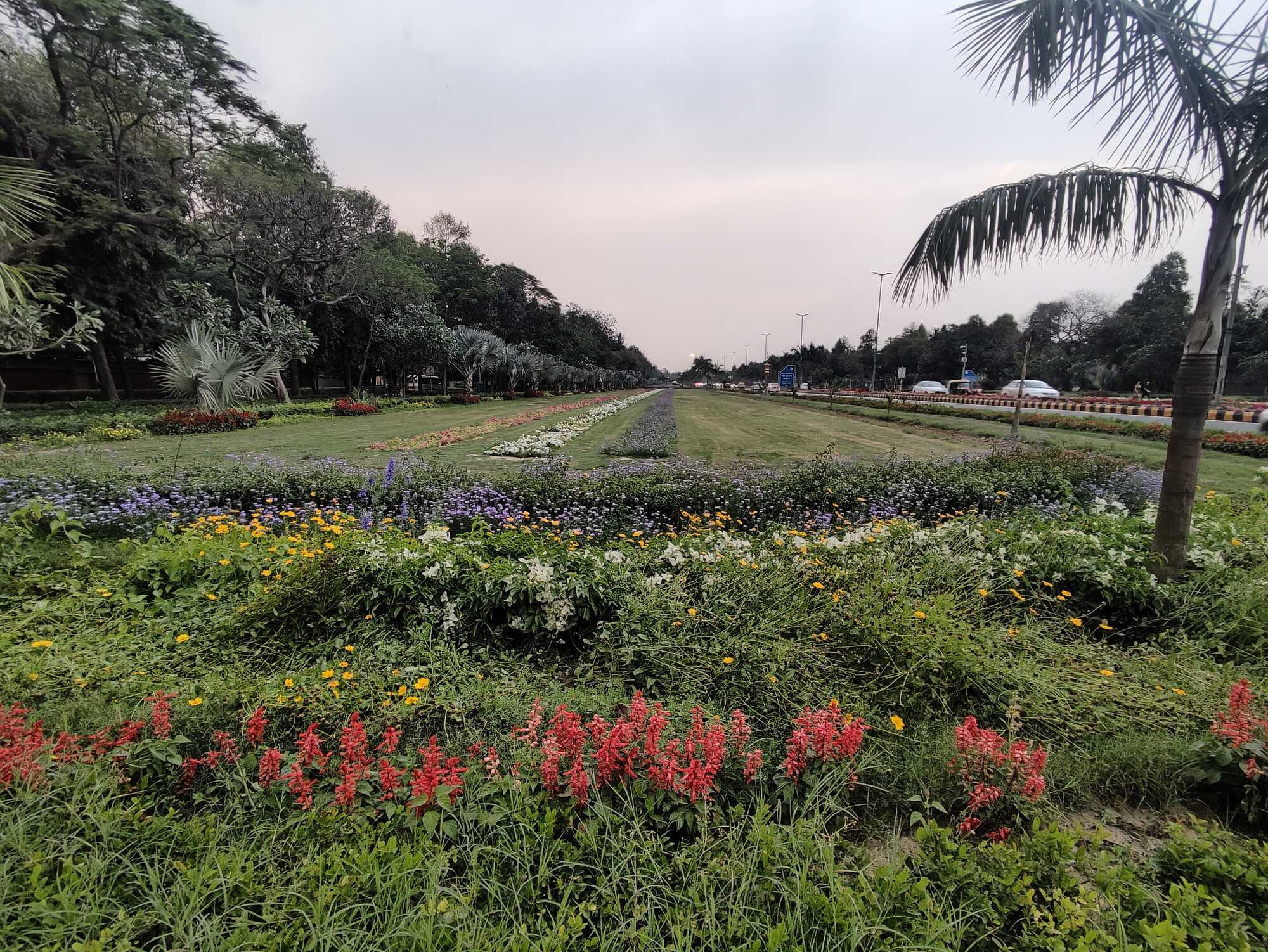
Delhi’s Nehru Park May Soon Become a Pollution-Free Zone
A major clean-air initiative could soon transform Delhi’s Nehru Park into a ‘pollution-free zone.’ Authorities plan to install a network of outdoor air purifiers designed to trap harmful particulate matter across the 85-acre park. The machines, already tested at traffic-heavy locations, are part of a large-scale pilot to improve outdoor air quality and reduce pollution exposure in public green spaces.
Officials confirmed the success of earlier trials at sites like ISBT Anand Vihar and New Moti Bagh, where air purifiers significantly reduced particulate matter levels. One location recorded a 30% drop in pollution within a 4,500 sqm radius. Built with long-lasting particle storage systems, the machines operate 24/7 and offer a more durable, energy-efficient solution compared to older air-cleaning methods previously used in Delhi.
Designed for high-footfall zones, these purifiers aim to reduce outdoor pollution where people gather most—such as markets, parks, and residential zones. At locations like petrol stations and transport hubs, the air filters captured large volumes of dust and fine particles. Officials said that unlike traditional filters, these machines can store pollutants for up to three years and require less maintenance, making them ideal for continuous operation.
Nehru Park is expected to require about 150 machines, although a detailed study will determine the final count. The project will be implemented under Corporate Social Responsibility (CSR) funding, ensuring no direct financial burden on the government. Authorities plan to partner with multiple private firms for installation, monitoring, and performance assessment. The results from this large-scale pilot may determine future clean-air rollouts in other public spaces.
While previous smog tower experiments showed limited results, officials hope this decentralised, location-specific approach will prove more effective. Earlier studies showed smog towers had only a 12–13% effect in a 100-metre radius. This new initiative focuses on reducing exposure in real-time where people spend time outdoors, especially in large open areas like parks. If successful, similar upgrades could be extended to other busy zones like markets.
With rising pollution levels threatening urban health, Delhi’s move to introduce air purifiers at Nehru Park signals a shift toward smarter outdoor solutions. Backed by private sector support, this project blends innovation with sustainability. If successful, it could reshape how cities tackle localised air quality — offering cleaner, healthier environments in parks and public spaces across the capital.