India has initiated an ambitious ₹500 crore green hydrogen pilot project in partnership with top industrial players including Tata Motors, Toyota, Reliance, and NTPC, aiming to sharply reduce its ₹22 lakh crore oil import bill while positioning hydrogen as a clean and scalable alternative to fossil fuels. The move marks a pivotal step in India’s pursuit of energy self-reliance.
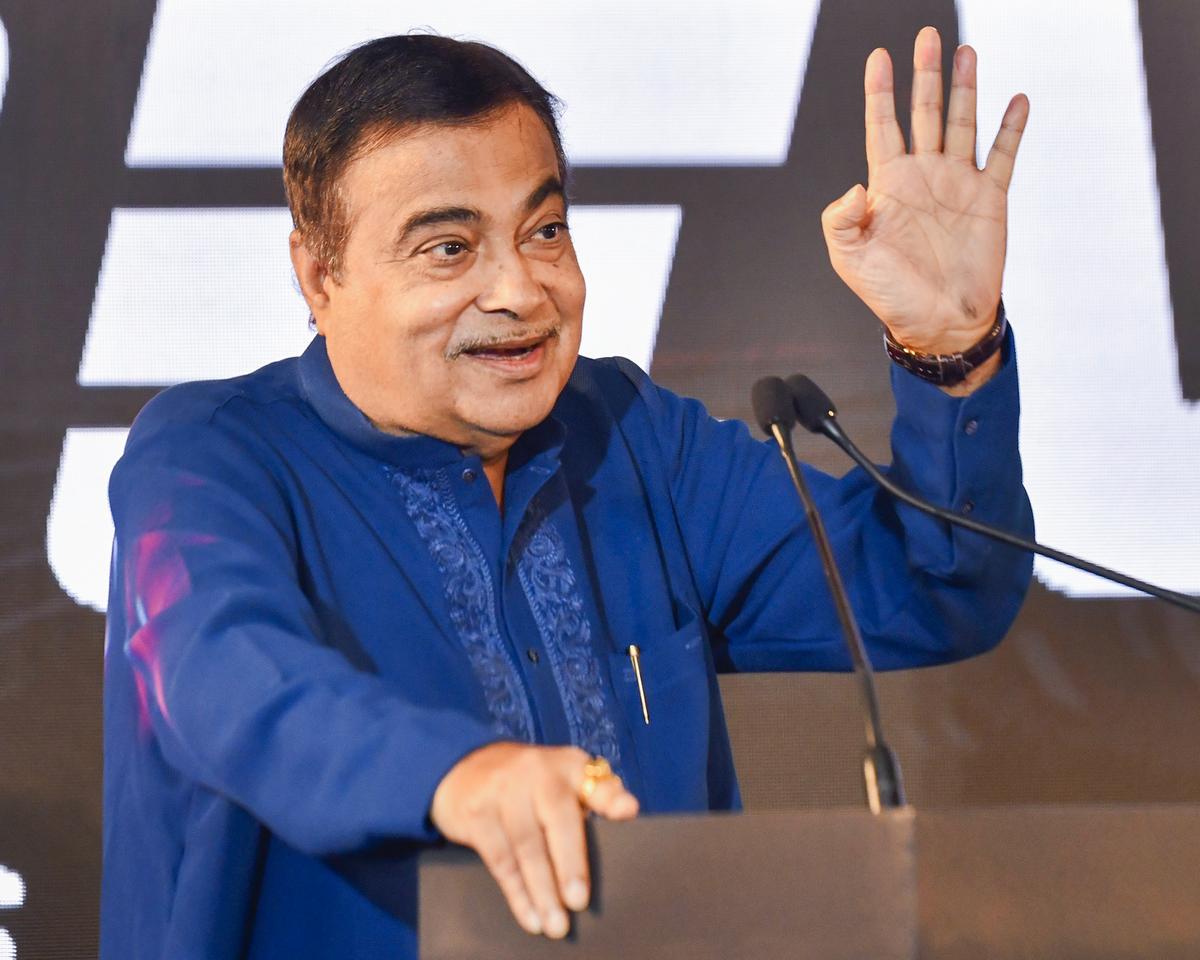
Announced by Union Minister for Road Transport and Highways Nitin Gadkari at a high-profile event, the trial is part of a long-term plan to decarbonise transport and industrial fuel use. With hydrogen labelled the “fuel of the future,” the pilot is expected to lay the groundwork for India’s nationwide green hydrogen corridors. Backed by government funding, the pilot involves 27 hydrogen-powered vehicles operating across 10 key transport routes, with support infrastructure including nine dedicated refuelling stations already under development. The routes will span major corridors such as Delhi–Agra, Ahmedabad–Surat, Pune–Mumbai, Bhubaneswar–Puri, and Kochi–Thiruvananthapuram. Trials will run for two years and cover both passenger and freight segments.
The ₹500 crore allocation underscores India’s resolve to mainstream hydrogen into its energy matrix, while curbing its dependence on imported oil. “India is the third-largest oil consumer, importing 87% of its demand at a cost of ₹22 lakh crore annually,” said Gadkari. “Hydrogen is the answer—clean, indigenous, and scalable.” Toyota Kirloskar Motor and Ohmium International signed a Memorandum of Understanding (MoU) to develop hydrogen-based integrated power solutions for mobility and industrial use. Toyota, a global leader in fuel cell vehicle (FCV) tech, is already showcasing the hydrogen-powered Mirai sedan in India. Ohmium, based in Bengaluru, is a key supplier of PEM (Proton Exchange Membrane) electrolyser technology, a core component in green hydrogen production.
Industry experts see this as a foundational moment. Arne Ballantine, CEO and Co-founder of Ohmium, called the partnership a “historic step toward India’s hydrogen economy.” He also highlighted the growing role of domestic research and biotechnology in sourcing cheaper green hydrogen feedstock. The government is also pushing parallel innovation in biofuels and energy storage. Gadkari cited ongoing work to enable 100% ethanol in flex-fuel engines and blend 10% isobutanol with diesel. He noted that isobutanol, produced via fermentation from ethanol, offers higher energy density and reduced corrosion compared to conventional ethanol.
Construction equipment could soon run on isobutanol too, and testing is already underway. Gadkari reiterated the four pillars of India’s energy strategy: “Import substitute, cost-effective, pollution-free, and indigenous.” These principles now guide fuel policy across mobility, manufacturing, and infrastructure. At the heart of the green hydrogen plan is cost control. While electrolyser costs and renewable energy availability have improved, Gadkari stressed the importance of further reducing production costs through innovation. He pointed to bamboo, municipal waste, and organic biomass as affordable raw materials to replace coal.
“India has 17% wasteland,” he said. “We’ve launched a bamboo plantation mission, and now even power companies are buying bamboo at ₹7–₹8 per kg to use instead of coal. From this, we can generate green hydrogen much more cheaply.” The minister also called on automakers to consider converting internal combustion engines to run on hydrogen—a potential short-term solution while fuel-cell vehicle infrastructure scales up. He specifically urged Toyota to explore whether its existing IC engines could be hydrogen-compatible. On the infrastructure front, nine hydrogen refuelling stations are being built to support the trial, with technical standards already finalised. The ministry recognises the logistical complexities of storage, transport, and compression of hydrogen, and is encouraging R&D in these segments to unlock viable commercial models.
India’s hydrogen ambitions are underpinned by broader clean energy innovation. Gadkari highlighted battery research being done at Indian institutions, including work on sodium-ion, aluminium-ion, and other alternative chemistries that could reduce dependence on imported lithium. These storage solutions will be critical in creating a 24/7 renewable energy grid, and they complement hydrogen by providing flexible, dispatchable power. Gadkari assured industry leaders of full government backing for all green fuel ventures. “This isn’t just business,” he said. “This is about reducing pollution and creating a cleaner, more sustainable future.” The industry has responded with optimism. With major players like Tata Motors launching hydrogen-powered trucks—including two fuel-cell models and one hydrogen ICE—and oil companies like IOCL, HPCL, and BPCL joining the trials, the pilot enjoys broad private sector participation.
Toyota’s involvement also brings global credibility and technology transfer potential. The company is eyeing both mobile and stationary hydrogen applications, and the MoU with Ohmium places it at the centre of India’s clean hydrogen ecosystem. The green hydrogen trial is not just a symbolic step. It marks the transition from policy intent to on-ground execution, with real-world data expected to shape future rollouts. The collaboration across automakers, fuel suppliers, and government agencies reflects a serious commitment to building a hydrogen economy from the ground up.
As India targets net-zero emissions by 2070, scalable and affordable green hydrogen may prove to be a keystone. And with public-private collaborations now in motion, the country is positioning itself as a potential leader—not just a follower—in the global clean energy race.