


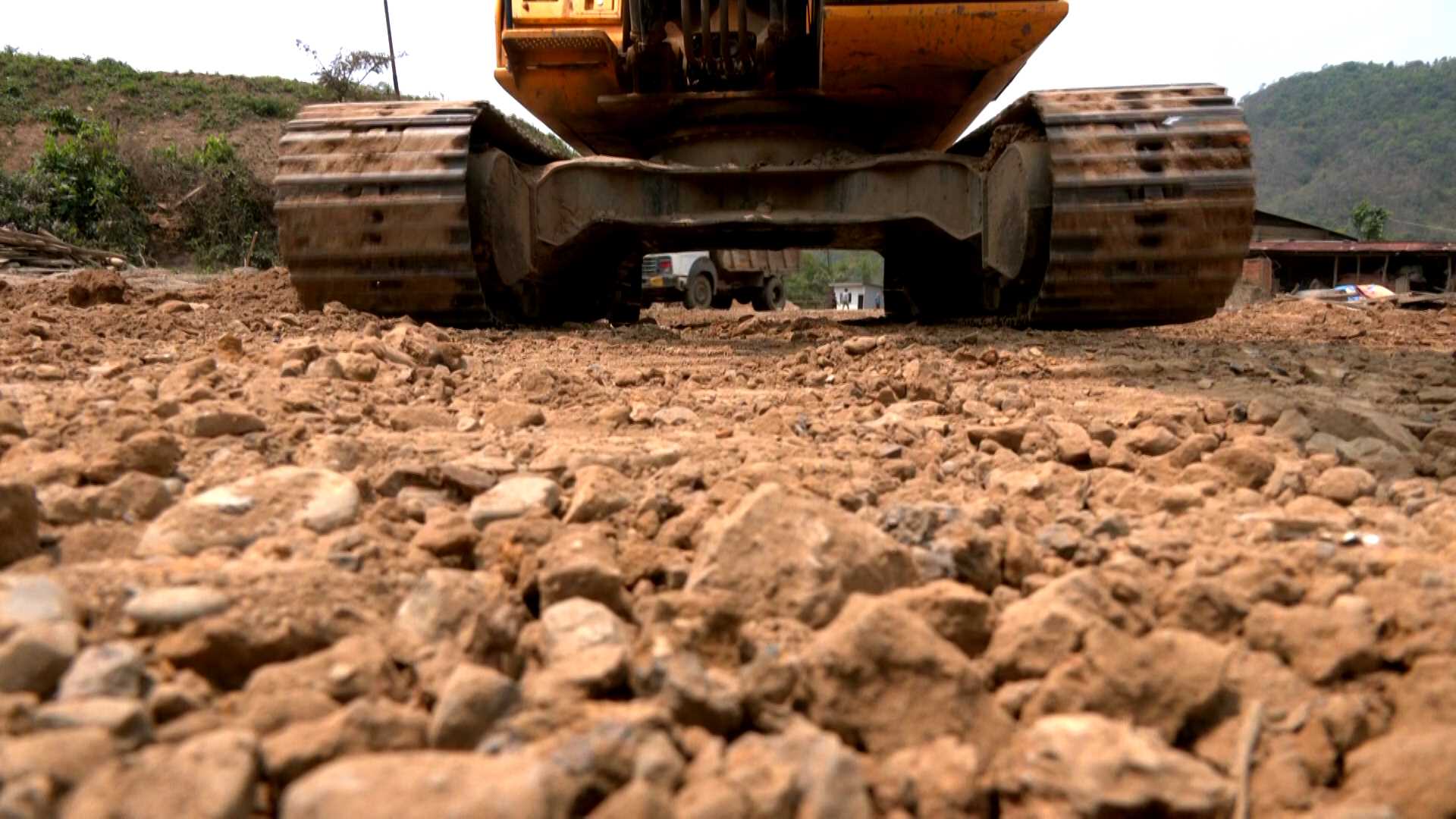
Manipur, especially Ukhrul, a quiet but powerful transformation is unfolding—driven not by policy debates or industrial plants, but by asphalt roads carving new futures through rugged terrain. As enhanced road connectivity reaches some of the state’s most isolated communities, the social and economic ripple effects are turning long-neglected regions into emerging nodes of opportunity.
Once hamstrung by poor access, communities like Ukhrul and Litan are now witnessing the difference a well-paved road can make—faster emergency travel, increased tourism, and a vibrant surge in local economic activity. Residents now speak of shorter journeys, fewer risks, and a sense of inclusion that only connectivity can deliver. In a region where reaching hospitals, schools, or markets once meant navigating treacherous paths, this shift is nothing short of transformational.
At the heart of this push is the Central government’s strategic focus on infrastructure expansion in the Northeast. Under the Ministry of Road Transport and Highways, 50 National Highway projects totalling 1,026 kilometres have been sanctioned across Manipur. Significantly, 44 of these—covering the hill districts—represent over ₹900 crore in investment. Eight projects, accounting for 125 kilometres, have already been completed. Another 36, totalling 777 kilometres and worth ₹12,000 crore, are under active execution.
This concerted effort has been supported by flagship schemes such as the Pradhan Mantri Gram Sadak Yojana (PMGSY) and the National Highways Development Project (NHDP). These projects are not merely about infrastructure; they are about access, equity, and empowerment.For residents like those in Litan, the benefits go beyond mere travel ease. Road access now means agricultural produce reaches markets faster, tourists are more willing to explore hidden hill gems, and students are able to attend school more regularly. In effect, roads are not just physical infrastructure; they are enablers of dignity and agency.
Small businesses and transporters have begun to notice reduced costs and higher efficiency, leading to a boost in the rural economy. For families, improved roads mean timely medical help and easier access to government services that previously felt beyond reach. Importantly, these outcomes align with India’s broader goals of inclusive growth and regionally balanced development.The roads in Ukhrul today are more than just transport corridors—they are arteries of transformation. They are connecting communities once cut off by geography, and with it, opening pathways to sustainable economic progress. As the hill districts continue to receive focused infrastructural attention, the state is seeing early signs of reverse migration, with youth returning to explore opportunities in tourism, agri-entrepreneurship, and community-led initiatives.
This infrastructural momentum comes at a time when conversations around sustainable and equitable urban-rural development are gaining ground nationally. For Manipur’s hill districts, roads are laying the groundwork for a more inclusive future—one where remoteness no longer equates to isolation.
With consistent political will, timely execution, and continued community involvement, Manipur’s expanding road network could well become a case study in how to blend connectivity with empowerment—charting a path that other remote Indian regions can emulate.
Also Read : Sudhanshu Shukla becomes first Indian to return to ISS orbit After 40 Years
