


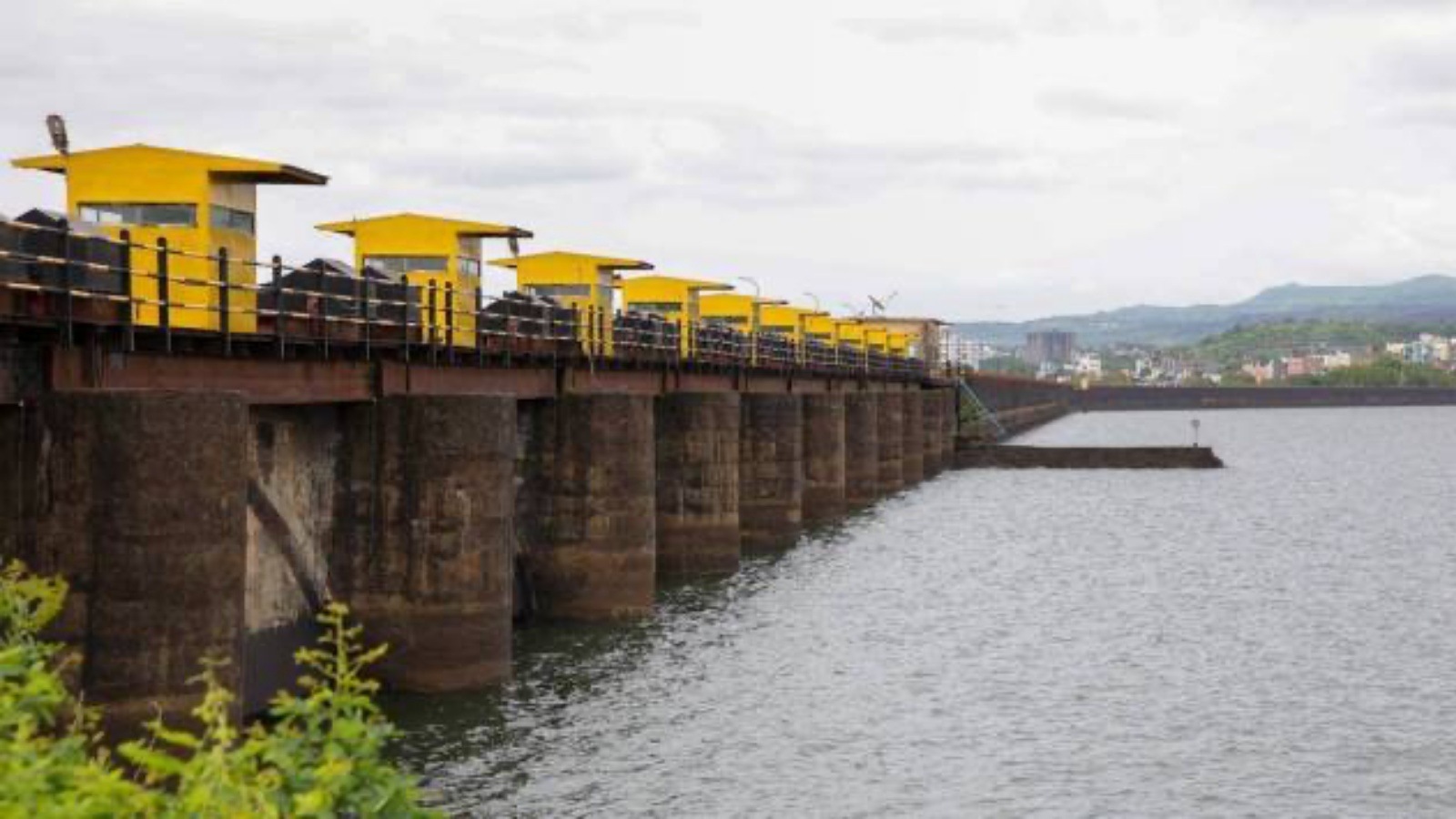
Heavy monsoon showers in catchment regions such as Panshet and Varasgaon have significantly raised storage in Pune’s Khadakwasla dam chain, bringing relief to the region’s water supply outlook. As of Monday evening, the cumulative water stock reached 10.74 TMC—36.8 per cent of total capacity—marking a 0.43 TMC increase in just 24 hours. That compares favourably to last year’s 3.58 TMC on the same date, evidencing more than a two‑fold rise.
The rainfall, concentrated in the western Ghats including the Panshet and Varasgaon catchments, has filled upstream reservoirs and decisively bolstered inflows into Khadakwasla. With water levels now at a third of capacity, Pune is poised to benefit from sustained monsoon-induced reserves—supporting urban water, agriculture, and ecological needs. This surge also exceeds the earlier weekly cumulative rise reported during mid‑June, when storage in the four‑dam cluster had reached only 5.74 TMC—just 19.7 per cent capacity—with far more limited inflow . By contrast, the recent jump to 10.74 TMC in late June underscores the monsoon’s strengthening grip and renewed catchment recharge.
For Pune’s 7 million-plus residents and its suburbs, the replenishment offers a buffer against water stress. Municipal and irrigation bodies can now manage flow releases more judiciously—balancing supply needs with flood mitigation downstream. Still, authorities remain cautious. The Khadakwasla reservoir, which directly serves Pune city, typically demands a steady 1–1.5 TMC monthly draw; recent gains can cushion this demand for the next half-year. However, continued inflows from catchments are crucial, particularly as earlier June conditions were poor, with lower reservoir stocking observed in early monsoon weeks .
Beyond demand pressure, environmental managers are also vigilant of sudden discharges into the Mutha River—echoing last year’s flood alerts after Khadakwasla’s storage breached 85 per cent. Back then, emergency measures were initiated in downstream zones such as Shivane, Sinhagad Road, Pulachiwadi, and Bopodi. To mitigate flood risk, authorities are considering graduated gate operations mandated in dam safety guidelines. Local bodies are also mobilising community alerts and establishing contingency plans, building on lessons from previous years.
As monsoon conditions intensify statewide, city planners must ride the fine line between conserving water and pre‑empting inundation. Their dual mandate: sustain equitable, gender‑neutral water access while safeguarding riverine ecosystems and downstream habitats. Pune’s water outlook has brightened impressively this week, with dam stocks doubling year‑over‑year. Still, the balance of reservoir management, monsoon risk, and urban demand will define whether the city unlocks a full year of water resilience—or faces another cycle of boom‑and‑bust.
Also Read: Delhi Heatwave to Ease With Midweek Rain
