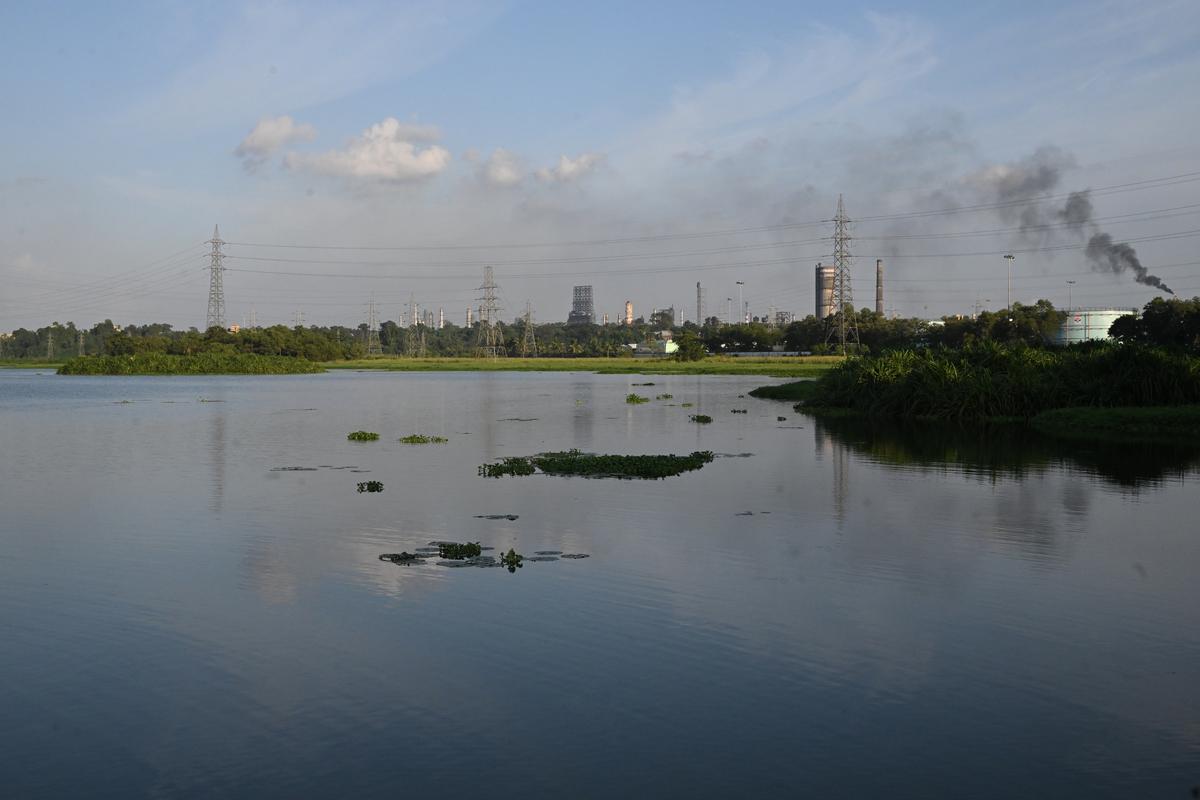
Water quality in Kerala’s Periyar and Chitrapuzha rivers has deteriorated severely, with faecal contamination levels surpassing Central Pollution Control Board (CPCB) safety limits. According to a recent analysis by the Kerala State Pollution Control Board, coliform counts in several stretches of the rivers signal alarming health and sanitation risks, particularly in the Kalamassery and Irumpanam areas of Ernakulam district.
Water samples taken in March 2025 from the Irumpanam stretch of Chitrapuzha revealed a total coliform count of 7,900 MPN per 100 ml—over three times the permissible limit for bathing water. Similarly, Kalamassery stretch of Periyar recorded 3,900 MPN per 100 ml. These levels greatly exceed the maximum allowed 2,500 MPN, underscoring unchecked contamination likely linked to sewage discharge and poor sanitation management near riverbanks.
The Central Pollution Control Board’s National Water Quality Monitoring Programme collects monthly data from fixed locations. In addition to total coliform, the presence of faecal streptococci and other indicators has further revealed deteriorating water health. At Kalamassery, faecal streptococci was recorded at 1,400 MPN/100 ml—nearly triple the permissible limit. The findings confirm the rivers’ inability to meet even the basic standards for outdoor recreational or domestic use.
The pollution crisis is not isolated to recent months. Between January and December 2024, 13 monitoring locations along Periyar in Idukki, Thrissur, and Ernakulam consistently failed to meet CPCB norms. Violations included substandard levels of Dissolved Oxygen (DO), abnormal pH levels, and elevated Biochemical Oxygen Demand (BOD). The data paints a disturbing picture of long-term, systemic pollution threatening aquatic life and human health alike.
Sites in Eloor and Aluva near sewage discharge points consistently recorded faecal coliform levels far above limits, particularly during the year-long review. These readings suggest persistent human waste intrusion and ineffective waste management practices. Despite environmental rules in place under the Environment (Protection) Act, 1986, poor enforcement and rising urban discharge continue to compromise the ecological and public health security of these rivers.
The increasing faecal contamination in Periyar and Chitrapuzha reflects a wider failure in pollution control and river health management. With water quality breaching safety standards, urgent interventions are required to regulate waste discharge and restore ecological balance. The findings should prompt immediate remedial measures, stricter enforcement, and public awareness to ensure these lifeline rivers no longer pose risks to health, biodiversity, and water access.