


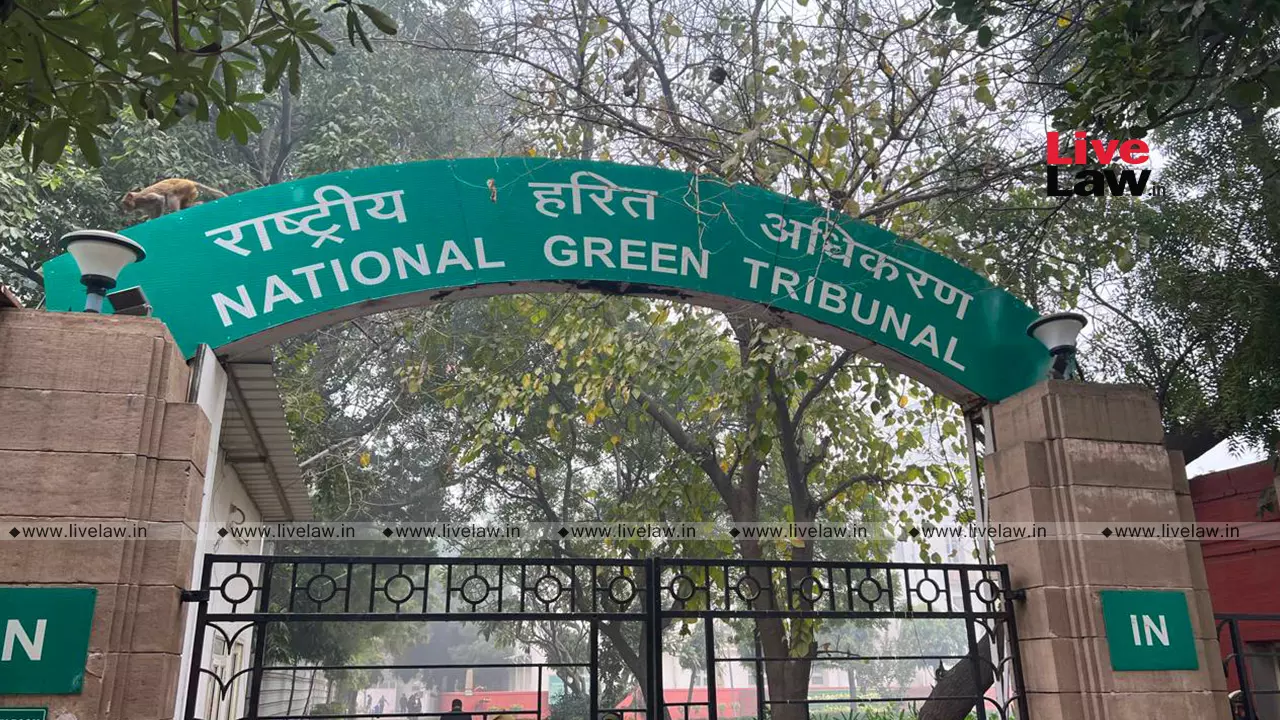
The National Green Tribunal has taken cognisance of plastic waste management violations by gutkha, pan masala, and tobacco product manufacturers. Notices have been issued to the Central and Delhi pollution control boards after concerns were raised over non-compliance with packaging norms and the Extended Producer Responsibility regime. The tribunal’s action highlights gaps in enforcing sustainability rules in hazardous industries.
The tribunal noted that key provisions under the Plastic Waste Management Rules are being blatantly ignored. Specific clauses banning the use of plastic sachets for storing and selling gutkha, tobacco, and pan masala were reportedly not being followed. This non-compliance poses serious environmental and public health risks, particularly in urban areas where such products are widely distributed in plastic-based packaging.
Under the Extended Producer Responsibility (EPR) regime, manufacturers are accountable for the environmental management of their products throughout their lifecycle. However, the tribunal heard that several companies failed to comply with these rules. Despite clear provisions for penalties—including product seizures and fines of ₹5,000 per tonne of plastic used—there has been little or no enforcement by relevant authorities, raising concerns about regulatory inertia.
According to the petition, the CPCB had already issued directives in 2021 to 25 manufacturers to halt operations until they switched to eco-friendly alternatives. The notice was meant to enforce a transition to sustainable packaging materials. However, no tangible progress was reported. This prompted legal intervention to ensure strict adherence to environmental laws and policies safeguarding against plastic pollution.
The tribunal, in its May 30 order, acknowledged that the case involves substantial questions of environmental law. Notices were served to pollution control authorities, seeking detailed responses. The matter has been posted for further hearing on September 26. The outcome could set a precedent for stricter enforcement of plastic rules across the country, especially in industries known for high packaging waste.
The tribunal’s intervention comes at a critical time when India is under global pressure to reduce single-use plastic consumption. Activists argue that lax enforcement undermines national efforts to curb plastic pollution and harms ecological balance. If the tribunal mandates stricter action, it could compel manufacturers to innovate sustainable alternatives and drive broader reforms in plastic packaging standards across industries.
Also Read: Delhi Fuel Ban from 1 July Sparks Security Fears at Pumps
NGT Seeks Action on Eco Rule Violations
