


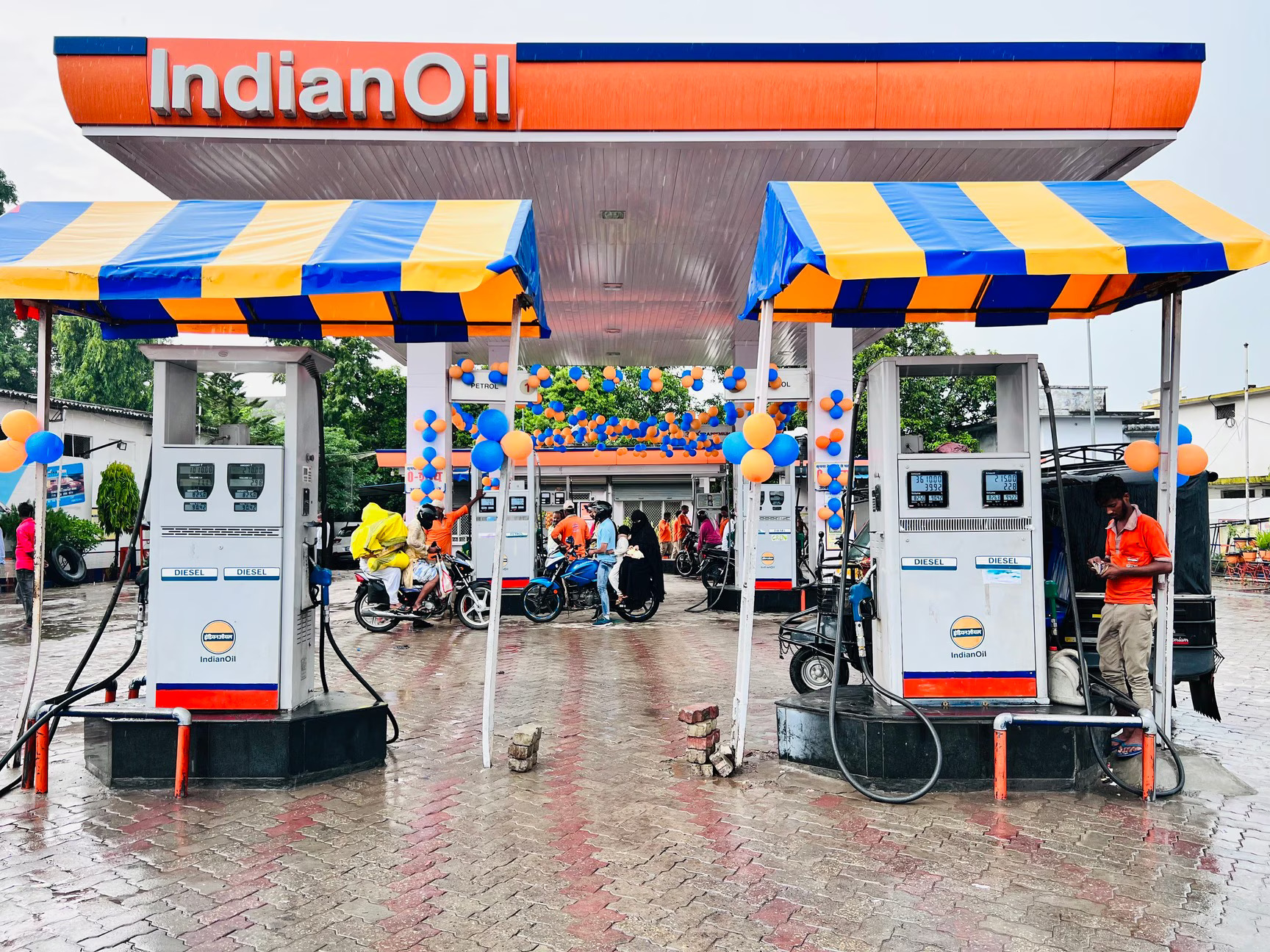
Delhi petrol pump owners have raised red flags ahead of the July 1 fuel sale ban on old vehicles, citing fears of public backlash and law and order disruptions, and have formally requested police deployment at all fuel stations in the capital. The city’s upcoming environmental regulation, which bans the sale of fuel to end-of-life (EOL) vehicles—those older than 15 years for petrol and 10 years for diesel.
However, the on-ground implementers—fuel station operators—now find themselves caught between enforcement ambiguity and safety concerns. In a strongly worded letter to Delhi’s transport minister, the Delhi Petrol Dealers Association (DPDA) has warned that the lack of clear standard operating procedures, enforcement protocols, and inter-agency coordination could lead to chaos at pumps across the capital. While the directive issued by the Commission for Air Quality Management (CAQM) mandates that no EOL vehicle should receive fuel from July, DPDA argues that petrol dealers are ill-equipped and unauthorised to enforce such high-stakes environmental mandates without adequate legal backing, training, or security.
“Enforcement is a policing job, not ours,” DPDA president stated in his representation, pointing to past incidents where pump staff have faced violent backlash for simply refusing service. Citing a chilling episode from Ghaziabad where a fuel station attendant was shot for denying fuel to a helmetless biker, Singhania warned of the volatile consequences of thrusting enforcement onto untrained civilians. The regulation aims to cut off a significant source of vehicular emissions by denying fuel to vehicles that predate Bharat Stage IV norms. Delhi currently operates under BS VI norms, but tens of thousands of vehicles running on outdated BS-II and BS-III emission standards continue to pollute the air. These old vehicles, according to CAQM, significantly contribute to Delhi’s persistent air quality crisis.
The plan includes deploying over 100 traffic and transport enforcement teams to assist the initiative, and retrofitting all 520 Delhi fuel stations with Automatic Number Plate Recognition (ANPR) cameras to screen vehicles. However, pump owners allege they are yet to receive comprehensive training or detailed instructions on how to identify and respond to EOL vehicles flagged by the system. Adding complexity to the issue is a legal contradiction. Under the Essential Commodities Act, fuel dealers are not permitted to deny fuel to customers without a valid reason or order. The DPDA argues that the fuel ban directive, in its current form, creates a legal and operational paradox.
Fuel station owners are particularly distressed about the prospect of being penalised—including arrests—for non-compliance. This, Singhania claimed, is “neither practical nor acceptable” and could potentially disrupt fuel supplies in the capital. “If these orders are not standardised and implemented with legal safeguards and security support, the scheme risks failure even before it begins,” he warned. The DPDA has also questioned the Delhi-only implementation of the rule, saying that unless it is extended across the National Capital Region (NCR), there is a risk of polluting vehicles simply rerouting to fuel stations in nearby cities like Noida, Ghaziabad, or Gurugram. “Pollution does not understand borders. A city-level rule is inadequate for a regional challenge,” said Singhania, advocating for simultaneous rollout across NCR to prevent leakage and ensure effectiveness.
The current rule applies exclusively to Delhi, where the air quality often touches hazardous levels. Though the initiative aligns with national and global goals for decarbonisation and sustainable urban mobility, its implementation is proving politically and administratively complex. For Delhi, this regulation symbolises an aggressive shift in strategy—one that attempts to directly discourage use of high-emission vehicles by making fuel access conditional on vehicle age and compliance. Yet, its success hinges on ensuring that the enforcement burden doesn’t fall disproportionately on low-wage workers like pump attendants, who lack institutional support.
Civil society groups have cautiously welcomed the rule but have echoed demands for clear communication, public education, and equitable enforcement. “This must not become another example of the poor bearing the cost of transition,” said one activist working on urban transport equity. “Without shared accountability, this well-intentioned rule may deepen existing divides.” The Delhi government has not officially responded to DPDA’s letter, and Transport Minister was unavailable for comment at the time of publishing. With barely a week left before enforcement, stakeholders remain in the dark about how this policy will be practically rolled out across the city.
As Delhi positions itself as a cleaner and more sustainable city, the fuel ban represents an important inflection point. But it also reveals a persistent weakness in Indian urban policymaking—great plans often falter in execution. The next few weeks will determine whether the capital can rise to the occasion and implement change without chaos.
If handled well, the initiative could serve as a model for other Indian cities battling vehicular pollution. If mismanaged, it risks eroding public trust and weakening future environmental reforms.
Also Read: Delhi HC Orders Sewer Route via AIIMS Campus
Delhi Fuel Ban from 1 July Sparks Security Fears at Pumps
SEO Title (7–8 words):
Delhi Fuel Ban Faces Pushback From Petrol Dealers
Meta Description (143–160 characters):
Delhi petrol dealers seek police protection ahead of July 1 fuel ban on old vehicles, fearing violence and loss due to lack of NCR-wide enforcement.
Focus Keyword:
Delhi fuel ban
Trending Tags:
Delhi fuel ban, old vehicle rule Delhi, end of life vehicles, petrol pump police, air pollution Delhi, NCR pollution policy, BS6 emission norms, DPDA
