


The Mumbai-Ahmedabad Bullet Train project, rapid progress at the Vikhroli Shaft in Mumbai signals a monumental leap towards advanced urban connectivity. This critical access point is instrumental in constructing a 21-kilometre underground passage, featuring India’s pioneering 7-kilometre undersea tunnel, laying the groundwork for a future of zero net carbon, eco-friendly, and equitable urban centres.
The ongoing work at the Vikhroli Shaft, a vital junction spanning 3.95 hectares and descending approximately 56 metres, underscores the meticulous planning and technological prowess underpinning this ambitious project. It serves as the primary deployment site for two colossal Tunnel Boring Machines (TBMs), which will sequentially advance towards Bandra Kurla Complex (BKC) and Ghansoli. This methodical approach ensures precision and minimises surface disruption in a densely populated urban sprawl, reflecting a commitment to seamless integration with existing cityscapes. From a commercial perspective, the high-speed rail corridor promises to recalibrate regional economic dynamics. By dramatically reducing travel time between Mumbai and Ahmedabad, it fosters enhanced business mobility and logistical efficiency. This time compression translates into a substantial reduction in the carbon footprint associated with goods and passenger transport, providing a robust, greener alternative to traditional modes. Such a shift is pivotal for industries seeking to optimise supply chains while adhering to increasingly stringent environmental mandates.
Environmentally, the bullet train aligns seamlessly with India’s burgeoning commitment to a net-zero future. High-speed electric rail, powered by a progressively decarbonised national grid, offers a significantly lower per-passenger-kilometre emission profile compared to road or air travel. The deliberate choice of an underground tunnel, constructed with stringent environmental controls for noise, air quality, and debris management, further exemplifies a conscious design philosophy aimed at mitigating ecological impact on sensitive urban and marine ecosystems. Beyond the environmental dividends, the project holds profound implications for social equity and access. Improved, high-speed connectivity between major economic hubs like Mumbai and burgeoning centres along the corridor can democratise access to employment, education, and healthcare opportunities for diverse populations. This enhanced mobility can particularly benefit women and other marginalised groups, offering safer, more reliable, and efficient travel options, thereby contributing to a more inclusive urban fabric.
The engineering marvel of the 21-kilometre underground tunnel, including the complex undersea segment beneath Thane Creek, represents a pinnacle of modern infrastructure development. Utilising a sophisticated combination of Tunnel Boring Machines and the New Austrian Tunnelling Method (NATM), the project champions sustainable construction practices. This innovative application of technology, specifically designed to navigate challenging geological formations while upholding rigorous environmental standards, sets a new benchmark for future urban infrastructure projects.
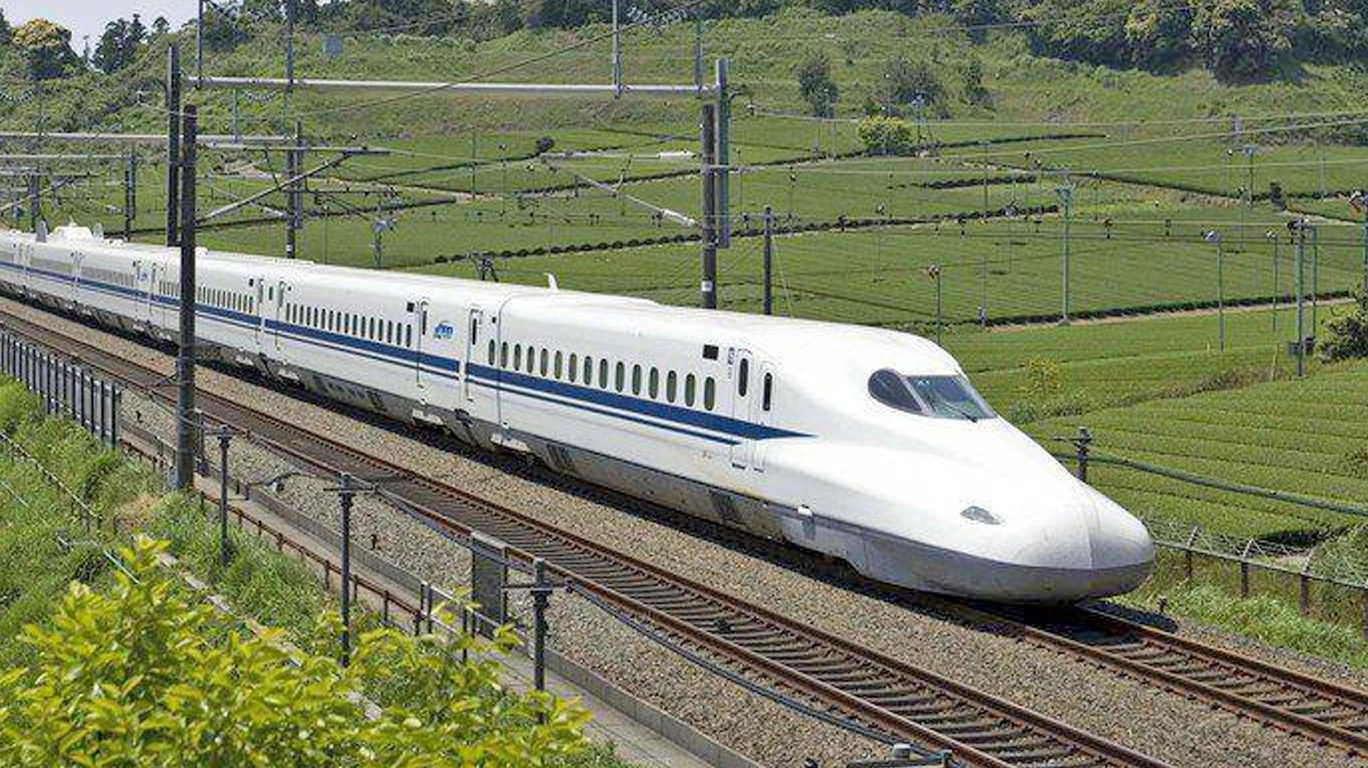
Upon completion, this single-tube, twin-track system will accommodate bullet trains capable of speeds up to 320 km/h, embodying a transformative leap in India’s high-speed rail capabilities. The Vikhroli Shaft is not merely a construction site; it is a strategic gateway, symbolising India’s unwavering resolve to forge modern, interconnected cities that are efficient, environmentally responsible, and fundamentally equitable for all citizens.
Also Read: India installs heaviest girder for first bullet train
