


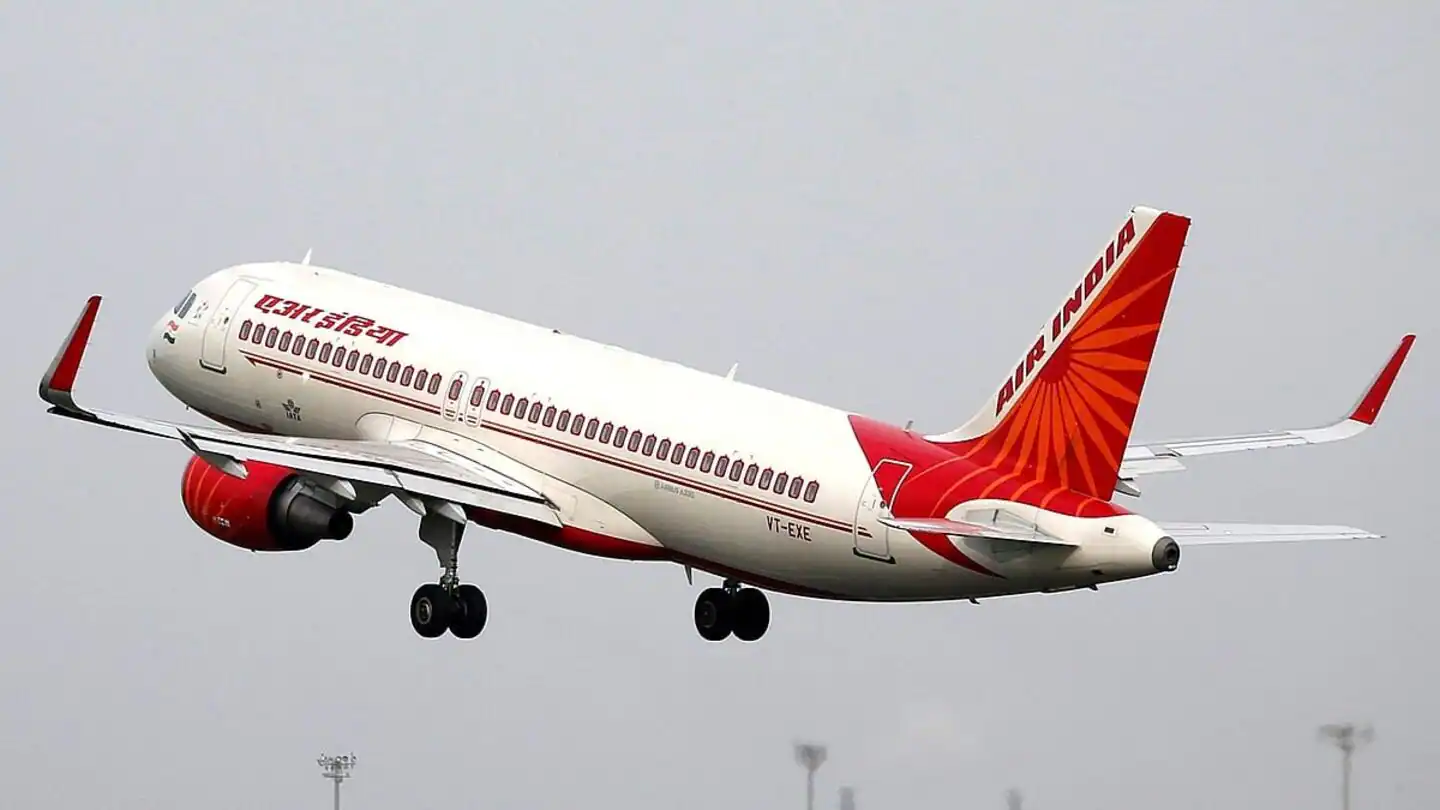
Air India has announced a temporary reduction of 118 weekly flights operated with narrow-body aircraft across 19 domestic routes. The decision, which accounts for nearly 5 per cent of the airline’s narrow-body capacity, comes in response to recent challenges and aims to maintain overall network stability.
According to airline officials, the cuts include not just reductions but also complete suspension of operations on three specific routes—two international and one domestic. These adjustments, though temporary, reflect the carrier’s response to operational stress and a broader industry reckoning following the fatal aircraft incident in Ahmedabad on June 12. The move underlines a strategy of proactive stabilisation, rather than reactive disruption. With narrow-body aircraft constituting a critical component of Air India’s domestic footprint, such fleet realignments are being closely evaluated to minimise downstream impact on passenger travel plans and maintain schedule reliability. Officials noted that affected passengers would be accommodated on alternative flights wherever possible.
Operational continuity and safety are now central to Air India’s recalibrated approach. The recent Ahmedabad crash triggered regulatory scrutiny and heightened operational vigilance across Indian aviation. Air India, under its restructured ownership and ongoing modernisation efforts, is taking decisive steps to maintain public confidence and system-wide integrity. “These route adjustments are part of a planned, data-led recalibration,” a senior official from the airline stated. “We are constantly assessing our schedule to balance demand, fleet readiness, and regulatory oversight, especially in light of recent developments.” While the specific routes impacted were not listed in detail, industry insiders indicate that the reductions span several high-frequency corridors, particularly those where alternate connectivity options or substitute aircraft types are readily available. The three suspended routes are reportedly lower-demand sectors, temporarily halted to allow operational resources to be reassigned for greater system-wide efficiency.
The adjustments come amidst broader shifts within the Indian aviation ecosystem. Rising fuel costs, weather-induced delays during the monsoon season, and mounting regulatory requirements are placing pressure on commercial carriers to streamline operations. Air India’s move, therefore, aligns with an industry-wide imperative to recalibrate schedules to match the operational realities of today. Experts in the aviation sector noted that the decision is a strategic pivot rather than a sign of retreat. Narrow-body aircraft, typically used for short to medium-haul routes, form the operational backbone of most domestic carriers in India. Optimising their deployment is vital not only for cost control but also for on-time performance and customer satisfaction.
Air India’s broader transformation plan, set in motion following its acquisition by Tata Group, includes fleet modernisation, enhanced customer experience, and route rationalisation. The current realignment is consistent with these priorities. Officials stressed that the changes are temporary and that many of the affected services would be restored once operational stability is assured. Despite immediate challenges, the long-term outlook remains growth-oriented. Air India is expected to continue expanding its footprint both domestically and internationally, supported by a large-scale aircraft procurement plan and investments in digital and service capabilities.
Industry observers believe that by preemptively adjusting flight operations, Air India is sending a strong message of accountability and customer focus. This strategy could serve as a blueprint for other carriers navigating similar turbulence. Passengers impacted by the service changes have been notified through direct communication channels and offered alternatives or full refunds. Customer service teams have been mobilised to handle queries and ensure that inconvenience is minimised during this period of transition.
The Directorate General of Civil Aviation (DGCA) has not issued any blanket directives post the Ahmedabad incident but has increased its oversight of airline safety protocols. Airlines, in turn, are tightening internal compliance mechanisms, conducting audits, and focusing more sharply on crew preparedness and equipment health. Air India’s decision also reflects a pragmatic understanding of current supply chain and manpower constraints. With pilot rostering, maintenance scheduling, and aircraft availability under stress, reducing scheduled flights provides breathing room for operational teams to focus on core priorities.
Moreover, sustainability advocates note that route rationalisation, if data-driven and carefully managed, could support environmental goals. Flying fewer but fuller aircraft leads to better fuel efficiency and lower per-passenger emissions, aligning with global efforts to decarbonise aviation. As the aviation sector stabilises in the post-pandemic era, such tactical manoeuvres are expected to become more commonplace. Airlines are increasingly required to be agile, transparent, and passenger-centric in their decision-making, especially in times of heightened scrutiny.
Air India’s reduction of 118 weekly flights, while disruptive in the short term, may ultimately serve to enhance its credibility as a carrier focused on safety, efficiency, and sustainable growth. The coming months will reveal how effectively these recalibrations translate into long-term resilience and reliability in India’s rapidly evolving aviation market.
Also Read : Kolkata Metro cuts emissions with green braking technology
