


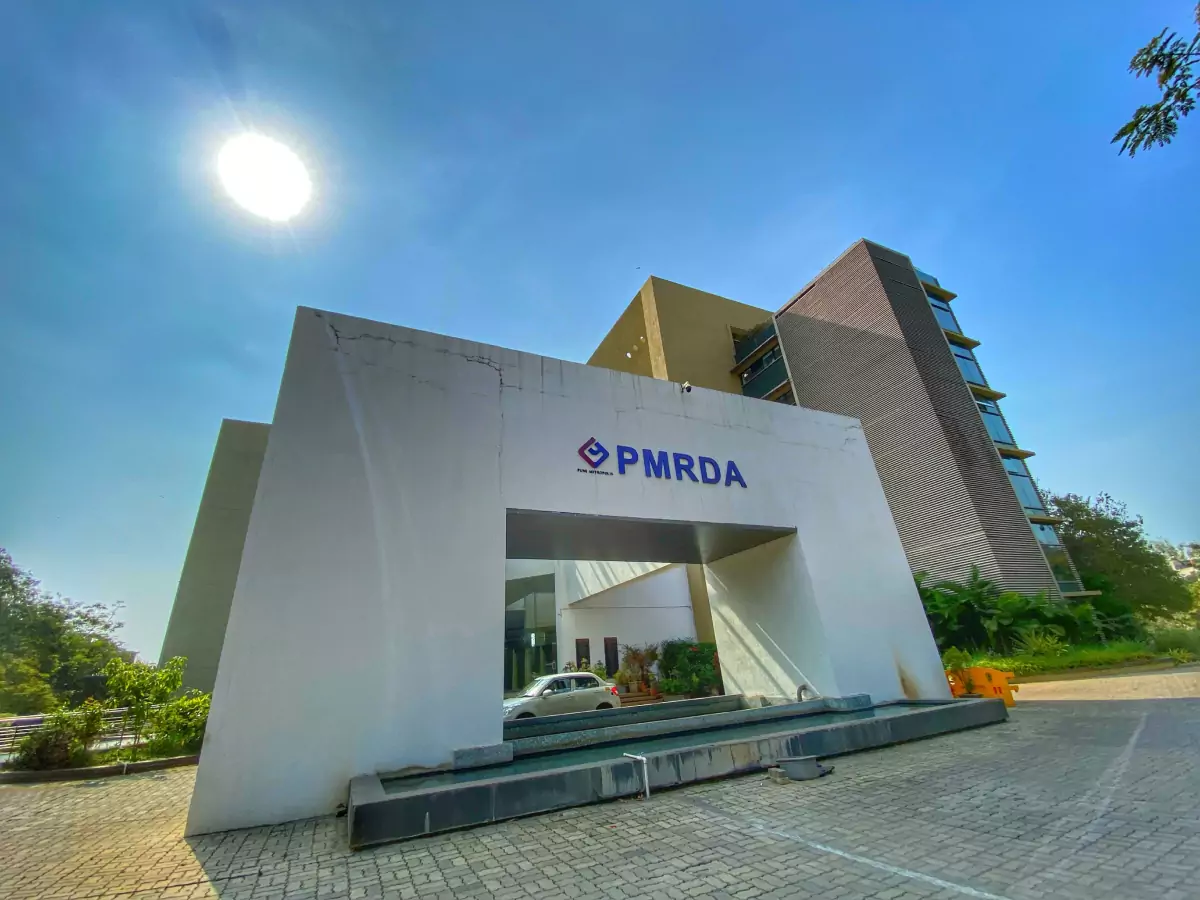
The Maharashtra Urban Development Department has granted approval to four long-delayed town planning (TP) schemes submitted by the Pune Metropolitan Region Development Authority (PMRDA) more than a year ago. The go-ahead allows swift initiation of development across key urban growth corridors in the region.
The approved schemes—Autade Handewadi, two Holkarwadi clusters, and Vadachiwadi—collectively cover nearly 520 hectares. These areas are strategically aligned with the proposed 82 km ring road, integral to Pune’s planned expansion across approximately 5,000 hectares. Despite this progress, two TP schemes continue to face hurdles. The Maan‑Mhalunge proposal, spanning 250 hectares, remains under review due to concerns over flood‑prone land designation. Meanwhile, the Manjari Khurd‑Kolwadi plan (233.35 ha) has been rejected on technical grounds—specifically plot boundary irregularities—and must be reworked for resubmission.
A senior PMRDA official voiced frustration over the delays, noting, “These proposals have been pending for far too long…Given their importance to regional growth, they should have been cleared months ago.” The prolonged wait, they added, has impeded infrastructure rollouts and real estate activities in critical areas. Local residents and developers echoed concerns. A landowner in Manjari lamented that the rejection means “nothing will move forward this year” while a Holkarwadi developer highlighted that swift TP clearance would unlock construction, connectivity improvements, and ring road integration.
Financial viability is at stake: central infrastructure funds have been committed to the schemes, but further delays could block disbursement and stall multimodal project timelines. The state capital had earlier cancelled the draft development plan, instructing PMRDA to enforce an 18‑metre road minimum in alignment with an updated master plan. This directive has prompted a full review of all pending TP schemes, including the two still pending clearance. The approved schemes follow the Gujarat development model—a 50:50 land-sharing for landowners and agency—with central government funding of ₹25 crore per scheme and PMRDA allocating ₹125 crore from its budget.
Detailed site data notes: Vadachiwadi covers 134.79 ha, Autade Handewadi 94.44 ha, and the twin Holkarwadi projects at 158.19 ha and 130.78 ha respectively Infrastructure specialists view these approvals as essential for orchestrated urban expansion. They underscore that landowners receiving 50% of developed plots enhances equity and civic legitimacy. However, analysts warn that unless the remaining schemes—still encompassing nearly 500 ha—are resolved promptly, Pune may miss its window to leverage central infrastructure assistance and deliver timely urban services in growing suburbs.
As urbanisation accelerates, PMRDA’s ability to secure clearances that balance flood management, technical precision, and master‑planning priorities will determine whether Pune can evolve as a sustainable, equitable city. The four approved plans may unlock immediate opportunities, but resolving the outstanding proposals is critical to ensuring inclusive growth across the metropolitan fringes.
Also Read : Pune faces NGT action over groundwater violations
