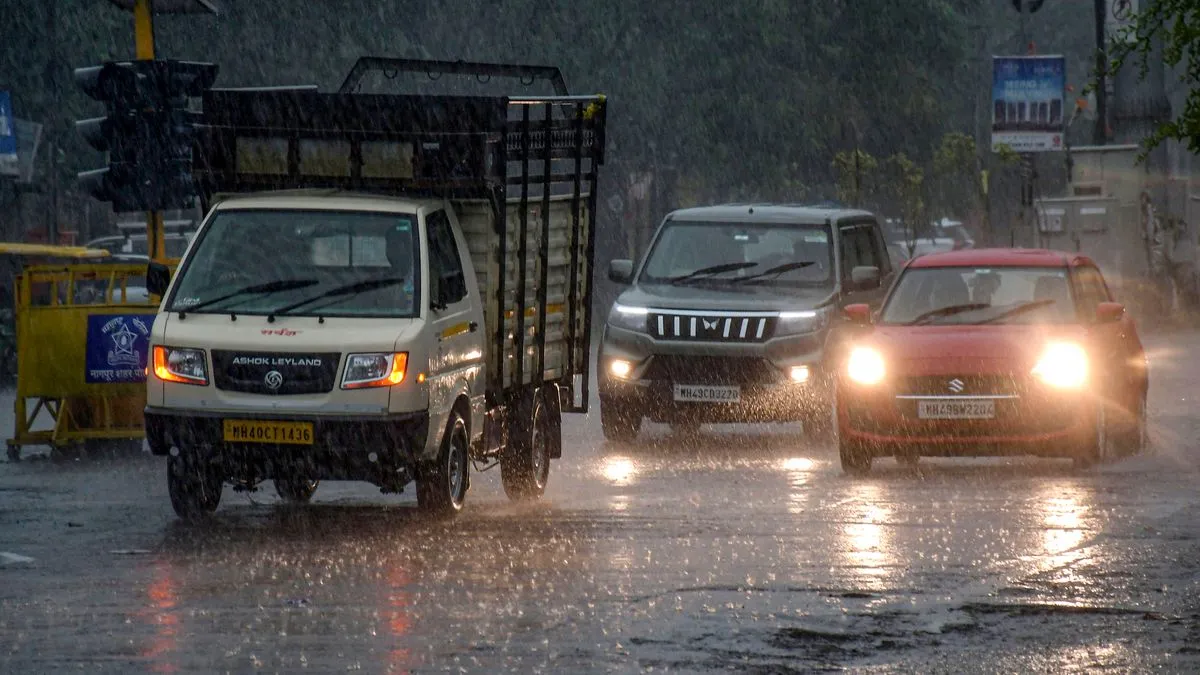
Panaji is grappling with an acute surge in temperature and humidity this June, as the monsoon weakens across Goa’s coastline. Despite the season’s typical rainfall onset, the capital city has recorded heat index levels far above comfort thresholds, with the India Meteorological Department (IMD) warning of continued high temperatures and only moderate rainfall until the end of the month.
By mid-morning on Friday, Panaji registered an air temperature of 31°C. However, with relative humidity spiking above 75%, the city’s “feels like” temperature leapt to a sweltering 43°C. Meteorologists explain that while the actual temperature is only moderately above seasonal norms, the combination of stagnant air and delayed rain is amplifying discomfort levels to extreme levels.
This meteorological anomaly is being attributed to weak low-pressure activity in the Bay of Bengal and Arabian Sea regions, which typically usher in moisture-laden clouds. With upper atmospheric circulations showing sluggish movement, cloud bands over Goa have thinned considerably, delaying the full onset of the southwest monsoon.
Panaji’s maximum temperature by the day’s end rose to 32.4°C—over 2°C higher than the climatological average for late June. In comparison, Mormugao experienced slightly milder conditions at 30.6°C, although humidity in the coastal belt remained uniformly oppressive. Experts caution that unless there is a shift in wind patterns or increased low-pressure development, this discomforting spell is expected to persist through the coming week.
Officials from the IMD regional centre have forecast light to moderate showers across Goa till June 26, with isolated spells of heavy rain in select districts. However, they clarified that these would not be sufficient to break the prevailing heat pattern, as the rainfall would be scattered and often accompanied by dry intervals. This pattern leads to a cyclical trap where high evaporation following short rain bursts further increases humidity.
According to environmental scientists, the delay in strong monsoon winds is also compounding the effects of urban heat in Panaji. The city, with its expanding concrete footprint and shrinking green cover, is increasingly vulnerable to heat island effects. “We are seeing elevated night-time temperatures as well, which suggests that the city is not cooling down sufficiently after sunset.