


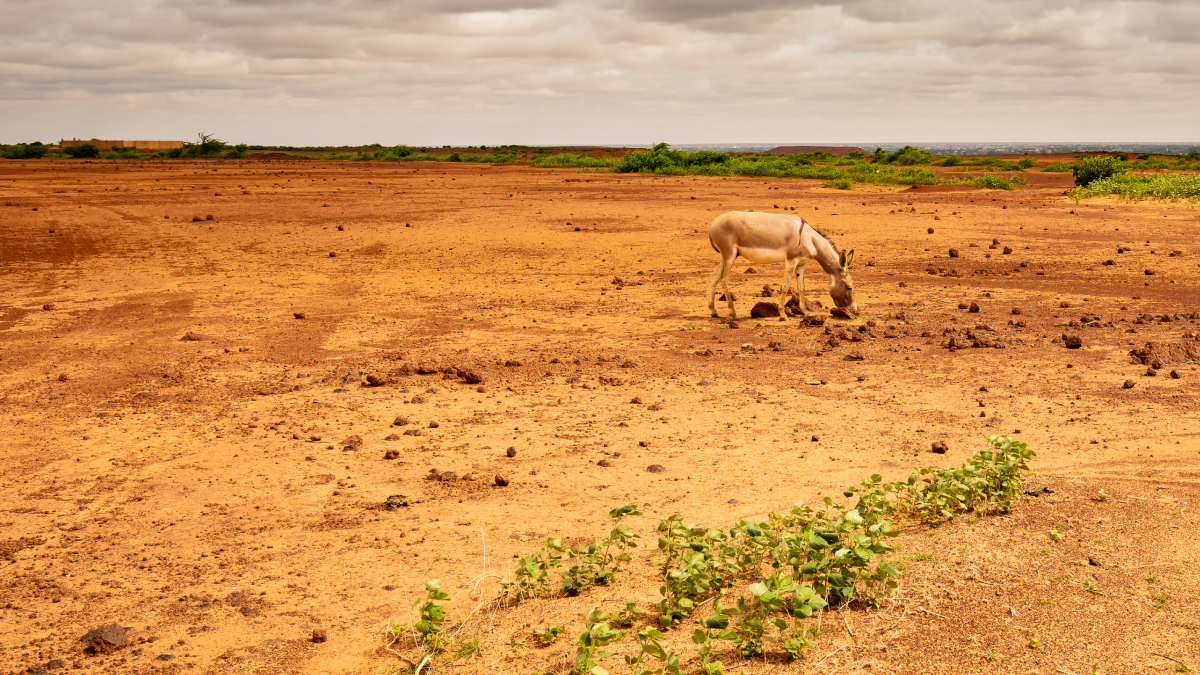
Climate challenges mount across the African continent, a quietly powerful solution is gaining traction—soil cover. In a region where rainfall is becoming increasingly erratic, temperatures are soaring, and food insecurity remains a pressing concern, soil-based interventions are being recognised as an effective and affordable adaptation tool.
Soil cover refers to the use of living vegetation, mulch, or crop residue to protect and enrich soil surfaces. Far from being a passive technique, it offers a potent buffer against heat, drought, floods, and soil degradation—making it a natural ally in Africa’s fight against climate change.
Recent data from the Coalition for Soil Health reveals that smallholder farms employing soil cover practices—such as mulching, compost application, and reduced tillage—have seen tangible benefits. In drought-prone regions of Kenya, for instance, maize yields improved by 30% when compost and mulch were applied. In sub-Saharan Africa, sorghum farms using cover cropping experienced a 25% yield increase during extended dry spells. These improvements are not just anecdotal—they reflect a shift toward climate-smart agriculture grounded in science.
One of the most compelling qualities of healthy soil is its water-holding capacity. Rich in organic matter, it acts like a sponge, absorbing and storing rainfall—between 154,000 and 234,000 litres per hectare—and gradually releasing it during dry periods. This reservoir effect stabilises plant growth and reduces crop failure, especially in regions with limited irrigation infrastructure.Moreover, soil cover significantly mitigates erosion. Vegetative layers can reduce surface runoff by up to 90%, preserving vital topsoil and accelerating groundwater recharge. In places where flash floods and droughts coexist, this dual function of water retention and erosion control becomes indispensable.
The benefits extend beyond agriculture. In urban settings, soil cover strategies are increasingly integrated into green infrastructure. Park forests, green roofs, and shaded public spaces not only lower ground temperatures but also absorb stormwater and reduce urban heat stress. Covered soils can be between 2.5 to 10°C cooler than bare earth, while shaded urban zones have recorded surface temperatures 11 to 25°C lower than exposed areas—dramatically easing thermal discomfort in dense cities.
Importantly, soil is also one of the planet’s largest carbon sinks. Every 1% increase in soil organic matter allows it to sequester an additional 8–12 tonnes of carbon per hectare. Practices like cover cropping, mulching, and agroforestry contribute to this sequestration while cutting greenhouse gas emissions by slowing the decomposition of organic matter. Agroforestry in particular can store up to four times more carbon than traditional farming.A 2025 study highlighted that urban forest parks sequester 35% more carbon than grasslands and recorded soil temperatures that were 2.5°C lower, reinforcing the climate duality of vegetative cover—carbon storage and cooling.
Below the surface, soil cover promotes biodiversity. Microbial life flourishes in cool, moist, and stable environments. Deep-rooted cover crops, such as oil radish, naturally loosen compacted soils, enhancing aeration and nutrient cycling. These conditions foster healthier root systems, improving resilience against pests and supporting food security.Crucially, the appeal of soil cover lies in its accessibility. It requires no expensive technologies or vast infrastructure. African policymakers and climate action plans are starting to embed soil cover practices into national strategies, especially in regions vulnerable to drought. Extension services across the continent now increasingly promote composting, rotation planting, and agroforestry as part of a broader climate resilience package.
As the global climate narrative shifts towards solutions that are local, low-cost, and regenerative, Africa’s embrace of soil cover could position it as a leader in nature-based adaptation—transforming adversity into an opportunity for ecological and economic renewal.
Also Read : Mumbai to Build Passenger Waterways in Phases
