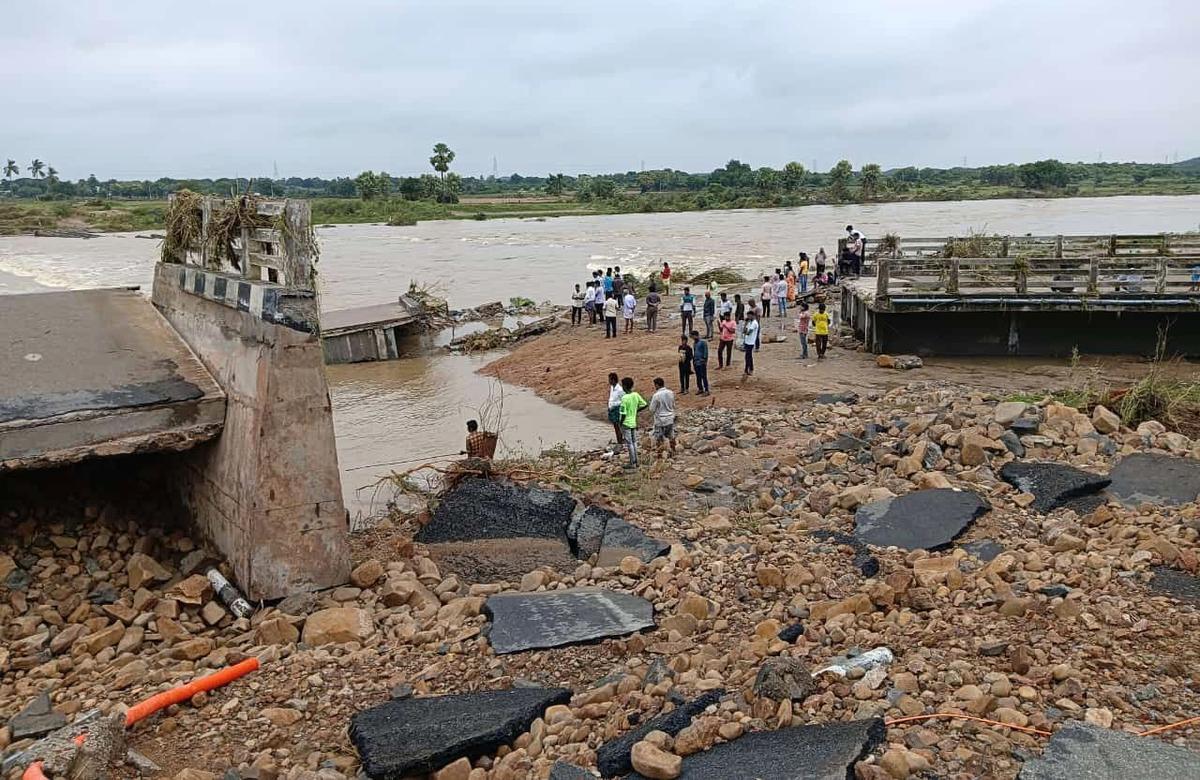
As Bhopal awaits the monsoon rains, growing concerns over urban flooding loom large across the city. Poor waste collection, clogged drains, and unchecked construction near natural water channels threaten to bring large parts of the city to a standstill once the heavy showers arrive. According to the Bhopal Municipal Corporation (BMC), the city generates nearly 800 metric tonnes of solid waste daily.
However, the uneven distribution of waste collection services across wards has led to persistent drainage blockages. Authorities stress that proper solid waste management is critical to ensuring efficient drainage and minimising flood risk, yet gaps in municipal service delivery continue to mount. Wards such as Shahjenabad, Kolipura, and Bagh Farhat Afza, each generating over 6.5% of the city’s daily waste, have emerged as high-risk flood zones.
Their already strained drainage systems are frequently overwhelmed during seasonal rains, with uncollected garbage further impeding water flow. Industrial and residential hubs like BHEL (Nehru Nagar) and Govindpura also contribute over 6% of daily waste, compounding infrastructure challenges in areas where stormwater drains are already under pressure.
Mid-level risk zones—including Sadhu Vaswani, Motilal Nehru, and Ibrahim Ganj—contribute 4–5% of daily waste. These areas face moderate flood threats that could worsen without timely waste clearance post-rainfall. Meanwhile, wards such as Rajiv Gandhi Nagar and Antyodya Nagar produce relatively lower waste volumes (2.6% and 4% respectively), and currently experience fewer drainage failures.
Drainage systems in Bhopal are under acute pressure in high-flow zones like Pani ki Chhakki and Ginnouri Pump House—areas that also generate the highest waste volumes. Moderate-flow regions such as Shiren Nadi and Kotra Nallah face similar stress from rapid construction and inefficient waste removal. Meanwhile, well-managed wards like Koh-e-Fiza and Sadhu Vaswani showcase the benefits of consistent waste clearance and minimal encroachment on reducing flood risks.
To prevent severe monsoon flooding, experts and officials agree that Bhopal must urgently adopt decentralised, ward-level waste audits, enforce anti-encroachment laws, and invest in sustainable drainage infrastructure. Without integrated civic action, the city risks recurrent urban waterlogging that endangers lives, damages property, and weakens climate resilience.