


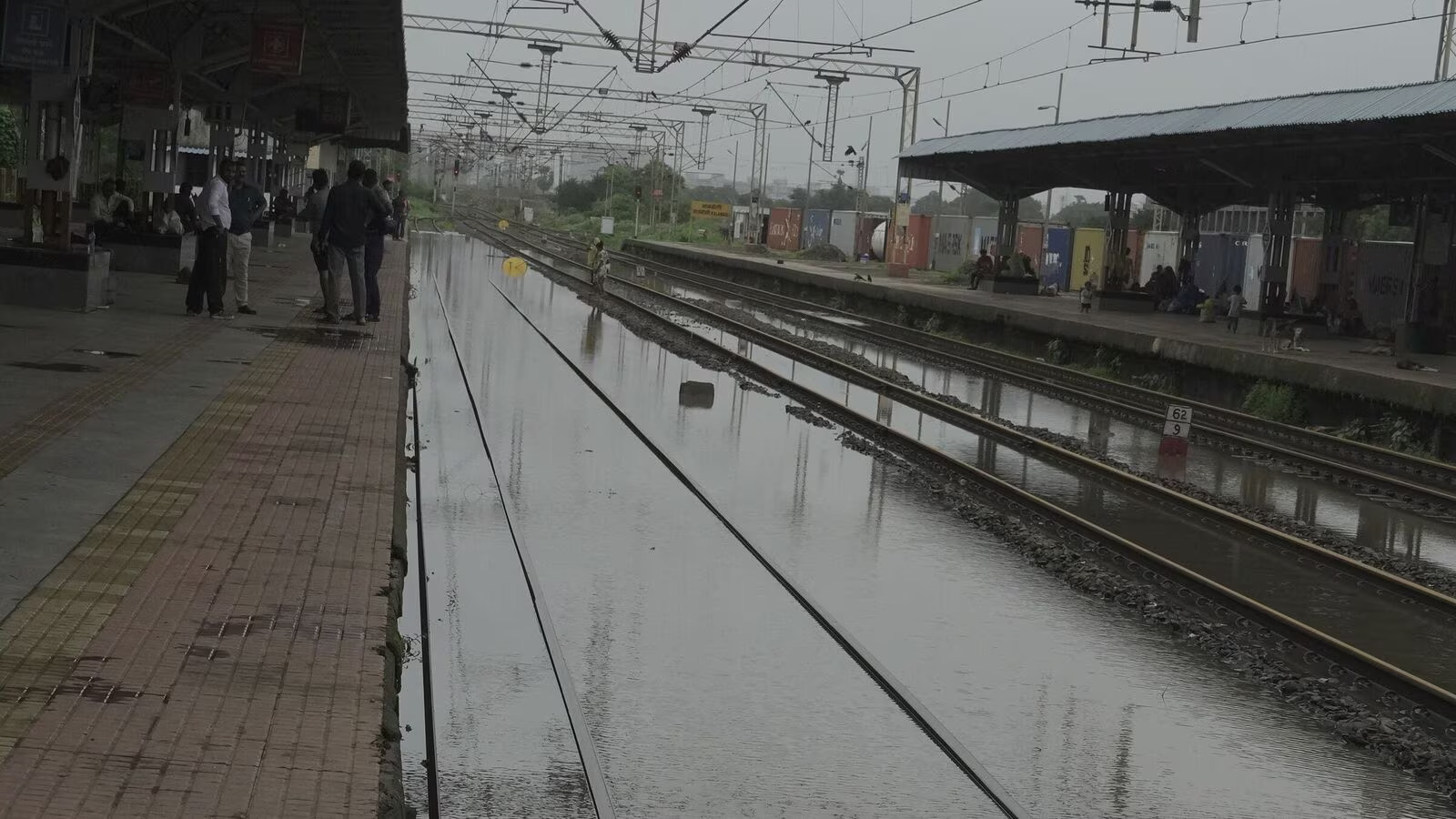
Persistent monsoon downpours in the Jamshedpur–Adityapur corridor have forced the suspension, diversion, and delay of multiple passenger trains, affecting thousands of commuters and highlighting critical challenges in sustainable urban mobility. With the onset of the monsoon, Jamshedpur and its adjacent suburb Adityapur experienced significant waterlogging on railway lines.
Heavy rainfall over recent days inundated tracks and underbridges, prompting authorities to cancel early-morning services from Tatanagar to Kharagpur at 3:15 am and 4:20 am, and delaying an intended nighttime return service until 4 am the following day These disruptions underline the fragility of rail infrastructure when faced with extreme weather events. Flooded tracks not only disrupt rail schedules but also pose significant operational hazards. The railway has announced route diversions and anticipates partial restoration within days, yet commuters are urged to stay updated regarding evolving travel conditions. The stranded passenger volumes underline the urgent need to bolster climate resilience in urban public transit.
Rail authorities attribute the cancellations to waterlogged up and down lines in outer regions of Tatanagar and Adityapur. The incident underscores how monsoon-induced flooding can cascade into broader travel chaos, particularly when local streets and drainage systems are overwhelmed . Echoing this sentiment, municipal civic bodies are already tackling urban inundation across low-lying areas, though railway tracks remain acutely vulnerable. In response, officials have promised full restoration within a few days, contingent on the drainage of tracks and clearance of standing water . Until then, structured diversions and timetabled disruptions remain the only viable recourse.
Beyond immediate inconvenience, this episode highlights growing necessity for climate‑smart infrastructure investment. Railways are India’s most sustainable public transport backbone; yet aged drainage, flat trackbeds, and underinvested weather defences compromise their green credentials. With Net Zero targets and eco‑city ambitions at the forefront, rail operators must upgrade trackside drainage, elevate low‑lying sections, and integrate advanced weather‑monitoring systems. Financial consequences from cancellations, delays, and diversions are notable. Compensation schemes and timetable disruptions cost operators and passengers alike—an economic ripple felt across supply chains and daily commuters. To foster resilience, investments in adaptive infrastructure must match the pace of climate volatility.
Commuters emphasise more than just rail access; they stress affordable, equitable routes connecting urban nodes and hinterlands. Rain or shine, reliable transit remains essential for livelihoods and gender‑neutral access to work and services. Repeated disruptions risk forced reliance on private vehicles, undermining sustainable city objectives. Historically, post-monsoon erasure of delays has involved surface-level drainage efforts around key underbridges. Yet today’s high-volume rainfall demands forward‑looking solutions—automated flood gates, railbed elevation, permeable surfaces and green swales to absorb runoff before it inundates tracks.
Rail authorities must adopt a holistic vision: integrating climate‑proofing across operations—from emergency protocols to infrastructure planning. The current disruption offers an opportunity to pivot from crisis response to climate adaptation. For now, travellers are advised to verify train status through IRCTC, SMS alerts or station notices. Though services should normalise shortly, the episode is a stark reminder that heavy rainfall increasingly threatens urban mobility and climate goals across Indian cities. In conclusion, while rail services may resume soon, the recent upheaval demands a longer‑term, sustainable response. Strengthening railway resilience against monsoon shocks is essential to India’s ambition of inclusive, Net‑Zero urban transport—ensuring passengers, especially vulnerable groups, are not left stranded when the rains arrive.
Also Read :India Runs Its Longest Freight Train
