


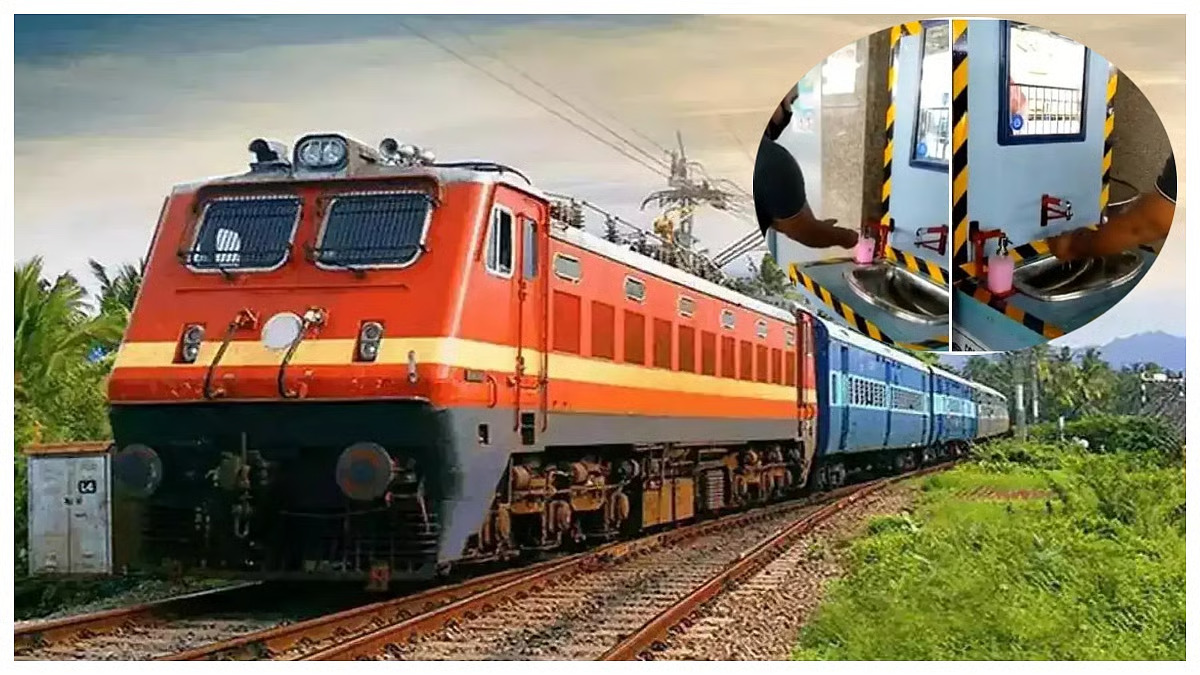
Indian Railways has approved the installation of liquid soap dispensers in the sleeper coaches of long-distance trains, bringing a long-demanded sanitary facility—previously restricted to air-conditioned coaches—to non-AC reserved travellers as well. The initiative targets all trains equipped with On Board Housekeeping Services, known as OBHS, across various zones.
This decision by the Railway Board marks a significant step toward equitable amenities in public transportation. Until now, soap dispensers and liquid hand wash were exclusively available in AC classes. By extending this basic hygiene facility to sleeper coaches, the railways aims to eliminate disparities in passenger welfare and elevate overall public health standards in India’s most-used travel segment. With over 80% of long-distance train travellers relying on sleeper coaches, access to hand hygiene remains a critical component in reducing the spread of communicable diseases. Officials have confirmed that the new dispensers will be strategically installed adjacent to the washbasins located within toilets and corridors of sleeper coaches. Refilling duties will fall under the purview of OBHS staff, who will ensure the dispensers are stocked at the start of journeys and maintained during travel if required.
The current rollout will apply to all mail and express trains where OBHS facilities are already functional. OBHS has long been active in premium trains and select high-footfall routes, offering mechanised cleaning, regular sanitation of toilets, and waste management solutions. Now, the introduction of liquid hand wash in sleeper coaches further reinforces Indian Railways’ commitment to scalable, sustainable hygiene measures for the masses. Railway engineers involved in the implementation say the design of the dispensers will be tamper-proof and durable to prevent theft and misuse. Materials and mountings are being standardised across railway zones to ensure maintenance efficiency and quick replacements if required. Internal instructions have also been issued to station managers and OBHS contractors to monitor hygiene stocks and refills, especially on trains with long turnaround times or multiple service intervals.
This upgrade supports a larger vision of inclusive infrastructure development. Transport analysts note that while the railways has made substantial investments in modern trains like Vande Bharat and Tejas, improvements in sleeper coaches were lagging despite their massive usage base. With this measure, authorities are addressing a long-standing gap between premium services and general public convenience. The sanitation upgrade resonates with the broader push toward clean, gender-neutral, and sustainable transport environments. As part of its eco-conscious efforts, Indian Railways has also promoted water-efficient faucets, bio-toilets, and dry sweeping mechanisms. The introduction of hand wash dispensers fits within the same framework of reducing infection risks without significantly increasing resource consumption. From an environmental and cost perspective, liquid soap solutions are compact, waste-minimising, and compatible with the railway’s current sanitation workflow.
Passengers and citizen welfare groups have widely welcomed the decision. For years, sleeper-class commuters voiced concerns over lack of basic cleanliness amenities such as hand wash and regular water supply. This upgrade reflects a growing awareness within the Ministry of Railways that equitable access to health and safety is integral to reliable public mobility. The sleeper-class traveller, often representing the working-class and rural populations, stands to benefit directly from such hygiene-centric reforms. Officials indicate that this is not a one-time installation but a sustained hygiene commitment. Monitoring dashboards are being prepared to evaluate dispenser status, refill frequency, and passenger feedback. Contractors engaged in OBHS services will be held accountable under renewed terms to maintain the units and ensure no compartment is left unattended.
There are also discussions underway to extend similar facilities to general coaches in a phased manner, depending on operational feasibility and budgetary allocations. Meanwhile, passengers on OBHS-enabled trains are likely to begin experiencing these changes within the current financial year. By reducing dependency on personal sanitisation products, the sleeper coach upgrade contributes directly to the comfort, dignity, and health of everyday passengers. It also reflects an evolving outlook within Indian Railways—one that acknowledges the needs of the common commuter as central to infrastructure evolution.
As the country continues to modernise its public transport ecosystem, such hygiene-focused changes offer meaningful progress toward urban equity and environmental responsibility. While the challenge remains to ensure maintenance and scale-up, this shift sets a hopeful precedent in bridging the gap between premium services and essential travel classes.
Also Read : Mumbai Central Railway to Install Grab Handles for Footboard Safety
