


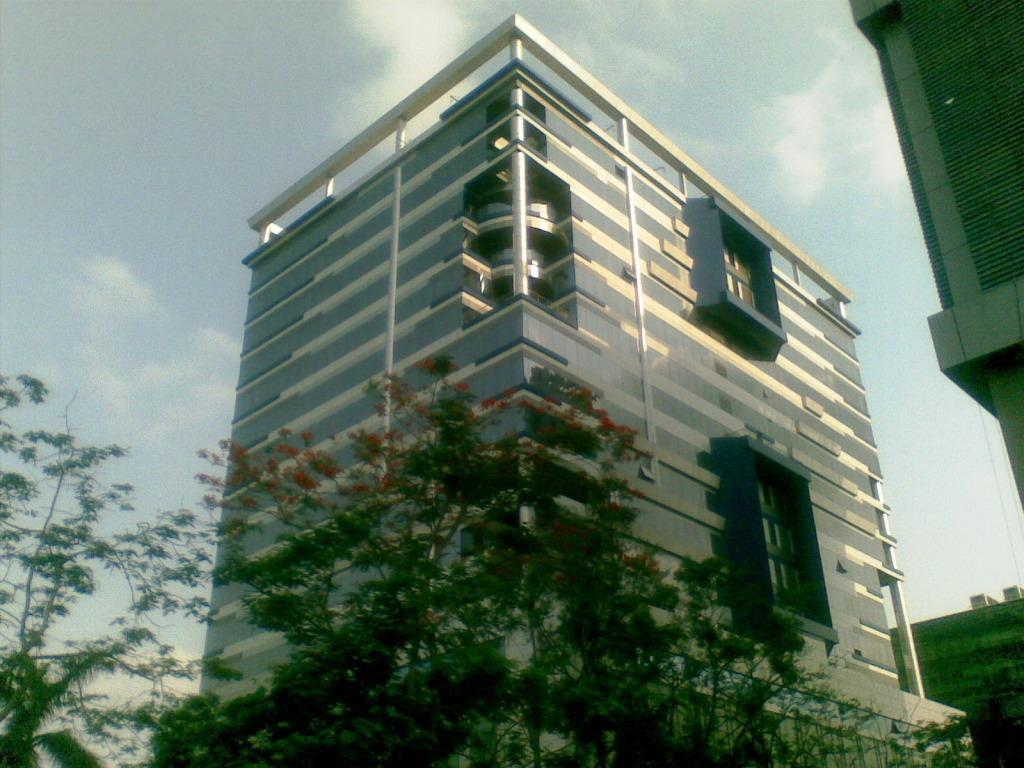
India’s real estate sector is undergoing a significant transformation as sustainability becomes a central focus in construction practices. The green building market is projected to reach $39 billion by 2025, with the residential segment contributing $28 billion and the commercial segment around $11 billion . This growth is driven by increasing environmental awareness, supportive government policies, and a shift in consumer demand towards eco-friendly living spaces.
The Indian Green Building Council (IGBC) has been instrumental in promoting sustainable construction practices, with over 7,000 certified projects encompassing approximately 1,370 million sq. ft. of built-up area . These projects demonstrate energy savings of 20–30% and water savings of up to 50%, highlighting the economic and environmental benefits of green buildings. Maharashtra leads the nation in the number of IGBC-registered projects, followed by Uttar Pradesh and Gujarat . These states have implemented policies that incentivize sustainable construction, such as offering additional floor area ratios and expedited approvals for green-certified buildings.
In Chhattisgarh, a solar-powered modular house made using 80% fly ash is drawing national attention. Designed by NTPC, the structure reduces carbon emissions by 75% and can be dismantled and relocated with minimal waste, showcasing innovative approaches to sustainable housing. Luxury developers are also embracing sustainability. Elan Group’s projects, such as Elan The Emperor and Elan The Presidential, have achieved IGBC LEED Gold and Pre-Certified Gold ratings, respectively. These developments incorporate energy-efficient systems, water conservation measures, and sustainable materials, setting new standards in luxury real estate.
Stonecraft Group is another example of a developer integrating sustainability into their projects. Their upcoming PGA-standard golf city in Hyderabad features a biophilic design that incorporates a Miyawaki forest, promoting biodiversity and environmental harmony . Government policies play a crucial role in advancing the green building movement. The Union Budget has introduced measures to promote sustainable construction, including tax rebates and subsidies for renewable energy installations . These incentives encourage developers to adopt eco-friendly practices and contribute to India’s net-zero emissions targets.
The adoption of green building practices not only reduces environmental impact but also offers economic benefits. Green buildings have been shown to increase property values by up to 10%, reduce operational costs, and improve occupant productivity and well-being . As India continues to urbanize, the demand for sustainable living spaces is expected to rise, further driving the growth of the green building market.
Also Read: Tamil Nadu’s Groundwater Levels Decline in 13 Districts
