


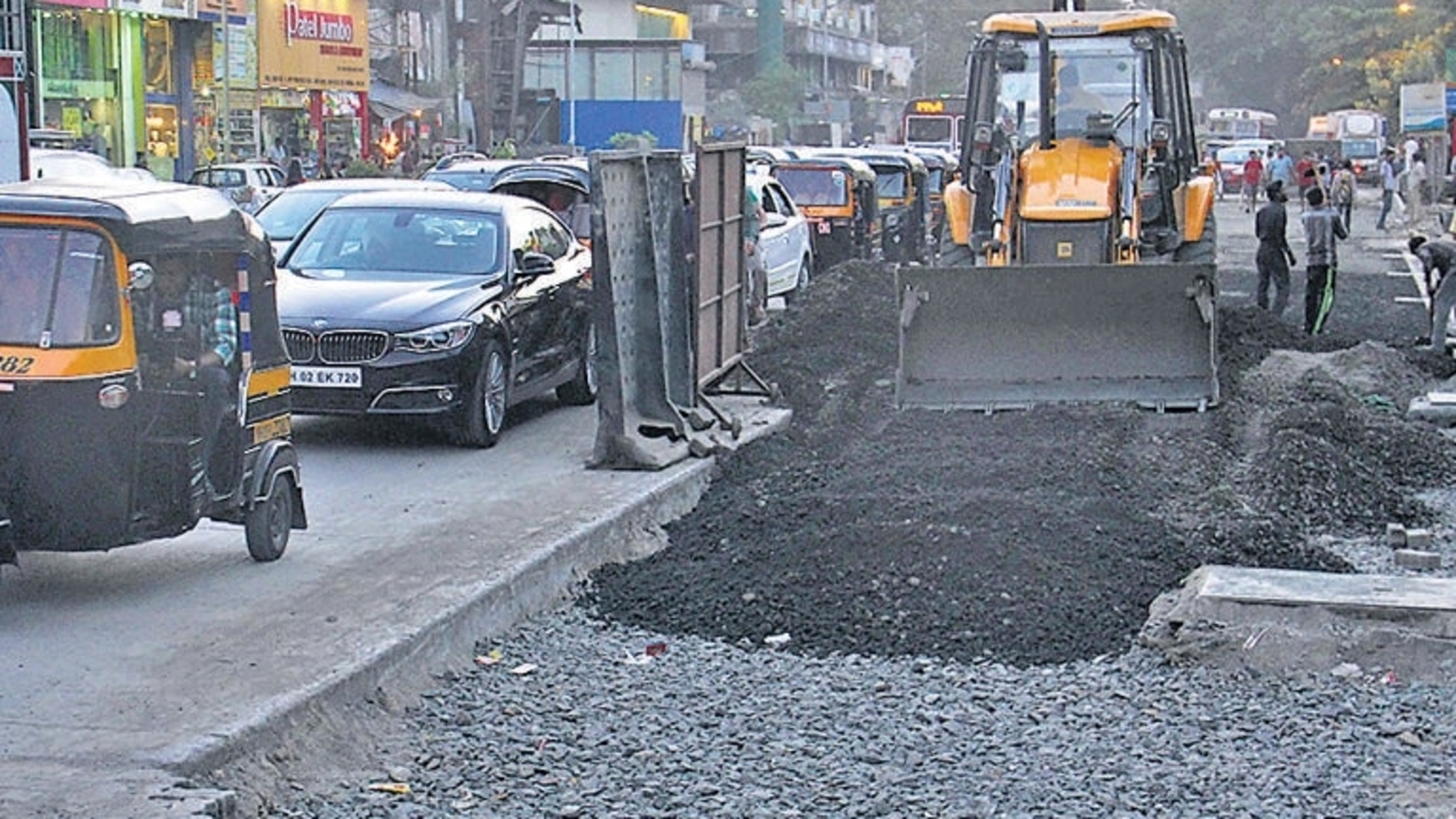
The Brihanmumbai Municipal Corporation (BMC) has reported the completion of concrete resurfacing on 1,385 roads across Mumbai as part of its aggressive monsoon preparedness strategy.
This extensive pavement quality concrete (PQC) initiative aims to address the perennial challenge of potholes and improve road durability, thereby enhancing commuter safety and easing traffic flow during the critical monsoon months. With the concrete curing phase slated to conclude by June 2, municipal officials have emphasised the swift removal of all road barricades by June 5, facilitating uninterrupted vehicular movement across the city’s arterial and suburban routes. The directive aligns with the city’s broader vision to create sustainable, resilient urban infrastructure that can withstand monsoon stresses while contributing to a greener and more equitable urban environment.
An official from the BMC overseeing infrastructure projects recently conducted an on-ground review of the ongoing roadworks in eastern suburbs such as Chembur, Ghatkopar, Bhandup, Vikhroli, and Mulund. These inspections underscored the near-completion of PQC works, with most roads fully concretised end-to-end. Some roads have received partial treatment using mastic asphalt, particularly at junctions, to ensure a smooth interface between newly laid concrete and existing surfaces. The city’s original deadline for completing these works was May 20. However, this was extended to May 23 due to unseasonal pre-monsoon showers, a decision that reflects flexible and adaptive planning by municipal authorities. The updated timeline was met successfully, demonstrating operational efficiency despite the challenges posed by unpredictable weather.
Following the main construction phase, final touches are underway, including the application of thermoplastic road markings, installation of cat-eye reflectors, directional signage, traffic safety symbols, and junction grid markings. These finishing works, scheduled to be completed by June 5, will be executed predominantly during night hours to minimise traffic disruptions and ensure public safety. In light of the early onset of monsoon rains, BMC officials have emphasised the importance of meticulous debris clearance and waste management along the treated roads. Dedicated teams have been mobilised to dispose of leftover construction materials promptly, a critical step to prevent blockage of drainage systems and reduce urban flooding risks, which are exacerbated by improper waste disposal.
Stormwater drainage maintenance is receiving heightened attention, with officials conducting systematic checks to ensure drains remain free-flowing. This proactive approach to water management is vital for sustainable urban resilience, particularly as climate change intensifies monsoon variability and the frequency of extreme rainfall events. The BMC has also mandated uniform road junction levels when connecting new concrete pavements with existing road infrastructure, utilising mastic asphalt to maintain smoothness and prevent water accumulation points. Furthermore, the restoration of authorised speed breakers is underway, aiming to enhance road safety without compromising traffic efficiency.
Municipal engineers, traffic planners, and project managers are collaboratively monitoring progress, reflecting a coordinated multi-departmental approach crucial for delivering large-scale urban infrastructure projects on schedule. This alignment ensures that civic bodies not only meet immediate monsoon challenges but also contribute to the long-term vision of a carbon-neutral, eco-friendly, and inclusive Mumbai. While the progress on road infrastructure is commendable, experts stress the need for ongoing maintenance and monitoring beyond monsoon season to sustain road quality and safety. Community engagement and transparent reporting will be essential to uphold public trust and accountability.
Mumbai’s ambitious road concretisation drive represents a significant stride toward modernising urban mobility infrastructure. The integration of sustainable materials, careful project planning, and inclusive governance can serve as a model for other metropolitan cities grappling with similar monsoon-related infrastructure challenges.
Also Read : Thane Police Fix Potholes On Mumbai Nashik Highway
