


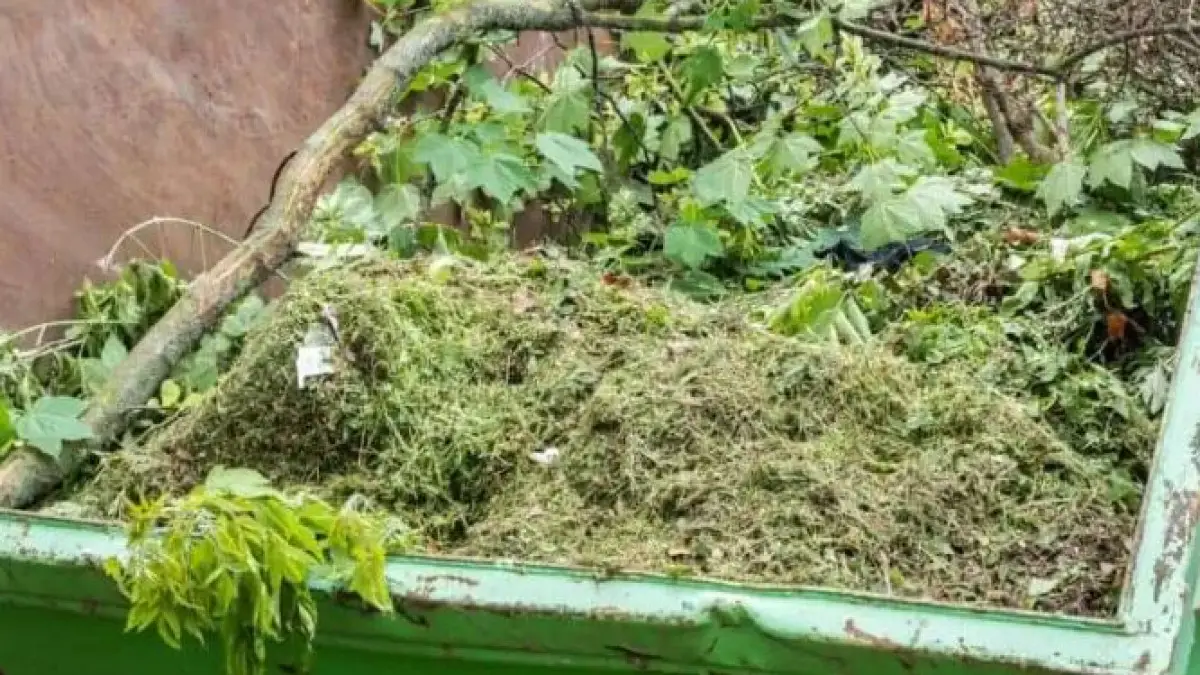
Bhubaneswar, a city increasingly committed to its green energy transition, is poised to embark on a significant stride towards sustainable waste management with the proposed establishment of a biogas plant at the bustling Unit-I haat, the city’s largest retail and wholesale market.
This ambitious initiative by the Bhubaneswar Municipal Corporation (BMC) aims to convert organic waste directly at its source into clean energy, aligning seamlessly with the broader national agenda for zero net carbon emissions and fostering eco-friendly urban ecosystems. The project underscores a progressive approach to municipal solid waste management, promising not only environmental dividends but also enhanced energy self-sufficiency for the smart city. The proposed facility, designed to process up to three tonnes of organic waste daily, is earmarked for a 3,500 square feet parcel of land to be identified and provided by the civic authority. This strategic placement at the Unit-I market is particularly pertinent given the significant volume of green waste it generates, which currently places a considerable burden on existing micro-composting centres. By decentralising waste processing and enabling on-site conversion, the BMC aims to streamline waste logistics, reduce transportation costs, and minimise the environmental footprint associated with waste collection and disposal. The plan to select a specialised agency to build, operate, and maintain the plant for a five-year tenure reflects a commitment to leveraging expert capabilities for efficient and sustainable operations.
A key objective of this biogas plant is the generation of electricity for direct supply to the power grid, a move poised to significantly enhance the financial viability and sustainability of the entire initiative. This integration into the energy infrastructure positions the waste management project as a dual-benefit endeavour: addressing critical environmental challenges while simultaneously contributing to the city’s energy matrix. The BMC has reportedly floated a tender to identify a suitable operating agency, with detailed specifications meticulously outlined, indicating a well-structured approach to project execution within an ambitious six-month timeline from contract award. Beyond electricity generation, the plant is envisioned to promote green energy by converting segregated organic waste into biogas, which can be harnessed for both electrical generation and thermal applications. This versatile utilisation of biogas will directly contribute to reducing the city’s reliance on fossil fuels, a critical step towards achieving its sustainability goals and mitigating climate change impacts. Such initiatives are fundamental to creating equitable cities where access to clean energy is democratised and environmental burdens are reduced for all residents.
This latest proposal builds upon the BMC’s earlier significant commitment to advanced waste-to-energy solutions. In December 2024, the municipal corporation formally inked a Memorandum of Understanding (MoU) with Oil India Limited (OIL) for the establishment of a large-scale Compressed Biogas (CBG) plant at the Meherpalli area near Kesura. This monumental project, estimated at an investment of ₹175 crore, is designed to process 200 tonnes of waste daily to produce 10 tonnes of compressed biogas. Odisha Housing & Urban Development Minister Krushnachandra Mohapatra had then indicated a two-year completion timeline for this larger facility, underscoring the state’s broader strategy for robust waste-to-energy infrastructure. The sequential and multi-pronged approach adopted by the BMC, involving both smaller, decentralised biogas plants and larger-scale CBG facilities, reflects a comprehensive and forward-thinking strategy for sustainable waste management. This integrated methodology is crucial for a rapidly urbanising city like Bhubaneswar, where waste generation rates are escalating. By investing in such green infrastructure, the city is not only addressing its waste challenges but also establishing itself as a beacon of eco-friendly urban development, paving the way for a healthier, cleaner, and more resilient future for its citizens. The success of these projects will serve as a compelling model for other Indian cities aspiring to achieve zero net carbon footprints and foster truly sustainable urban environments.
Also Read: India Plans 76 National Waterways by 2027
