


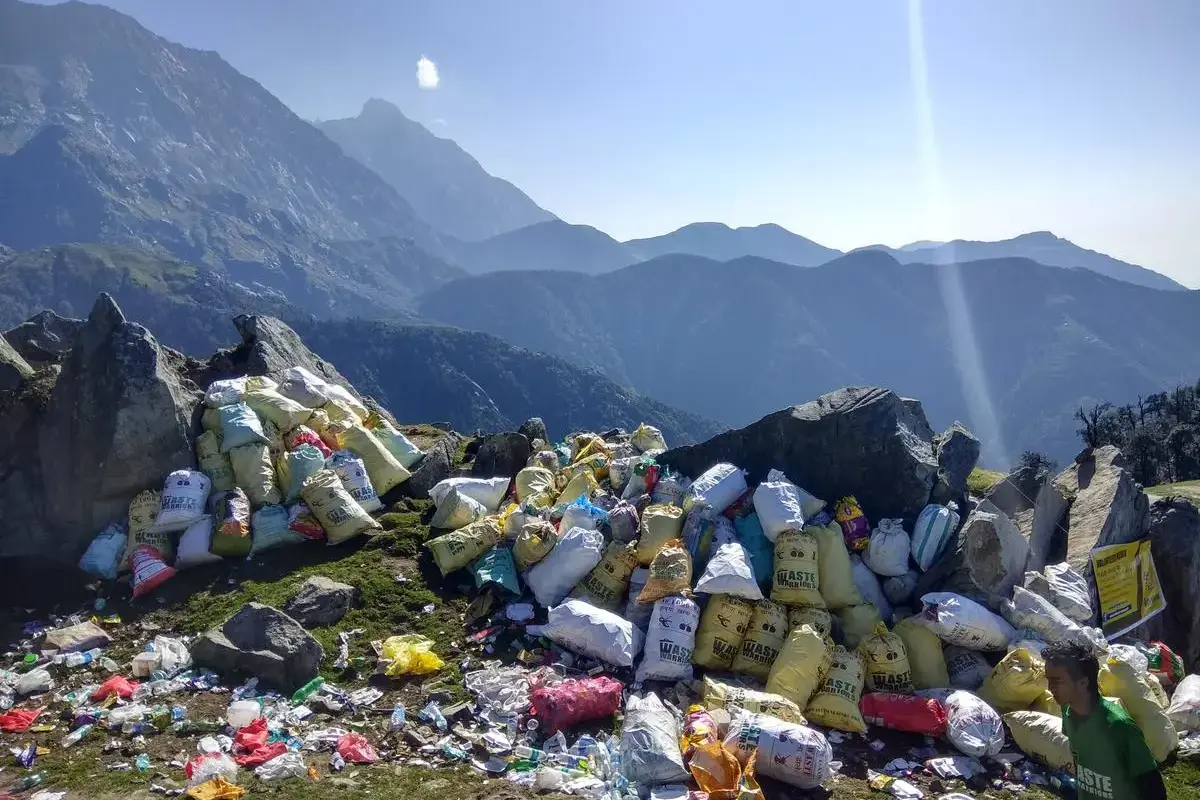
Despite a nationwide ban on single-use plastic (SUP) implemented nearly three years ago, India’s urban landscape continues to be inundated with plastic waste.
From bustling vegetable markets to popular food stalls, single-use plastic bags, wrappers, and packaging remain stubbornly visible, raising concerns over the efficacy of environmental governance, enforcement, and public participation in the sustainability mission.India, the world’s fifth-largest generator of plastic waste, produces approximately 3.5 million tonnes annually. A significant proportion of this comprises single-use plastic—thin bags, straws, sachets, plastic cutlery, and multilayered packaging—that typically ends up in landfills, water bodies, or informal dumpsites. These materials often disintegrate into microplastics, which contaminate food chains and pose long-term health and ecological hazards.
The Central Government’s ban on select single-use plastics, which came into effect in July 2022, was hailed as a crucial milestone in India’s broader green policy framework. It aligned with the country’s commitments to reduce carbon emissions, transition to a circular economy, and promote eco-conscious consumption. However, implementation has been inconsistent across urban centres, with visible lapses in both enforcement and behavioural change.Local markets, grocery outlets, and eateries continue to flout the ban. The persistence of banned plastics in circulation reflects the weak regulatory oversight in many states and the absence of economic incentives for small businesses to switch to greener alternatives. Many vendors argue that biodegradable or compostable packaging is either too expensive or not easily available in required quantities, making compliance economically unviable.
While larger brands have started exploring recyclable and compostable alternatives, small and medium enterprises (SMEs), which form the backbone of India’s informal retail sector, often lack access to sustainable supply chains. The result is a parallel economy of illicit plastic manufacturing and distribution, undermining the goals of the ban.Recycling, often suggested as a remedy to India’s plastic crisis, has its own limitations. According to official data, only about 60% of plastic waste is currently recycled, and a substantial share of that recycling happens informally, without regulatory standards. Much of the remaining waste—especially single-use plastics like thin films, multilayered packaging, and laminated wrappers—is economically non-viable to recycle and hence disposed of improperly.
Policy instruments like Extended Producer Responsibility (EPR), which mandate that manufacturers collect and recycle the plastic they introduce into the market, have seen some traction. But enforcement remains uneven, particularly among local manufacturers and unregistered suppliers. Experts point out that unless the EPR framework is universally applied and monitored, its potential to build a circular plastic economy will remain unrealised.A broader shift toward a zero-waste urban economy requires systemic change: stronger state-level enforcement, robust waste segregation infrastructure, public awareness drives, and above all, fiscal support for sustainable packaging innovation. As cities expand and consumption patterns evolve, the need for scalable and affordable alternatives to plastic becomes critical.
The emotional dimension of this environmental failure cannot be ignored. Plastic waste not only pollutes rivers and chokes drains but is often found in the stomachs of urban cattle and street animals. It mars the visual landscape of cities and perpetuates health inequities in slum settlements that often lie adjacent to dumping grounds. The poorest urban citizens disproportionately bear the brunt of poor waste management.
India’s struggle with plastic pollution underlines a deeper need to rethink urban living—from how products are packaged and consumed, to how waste is collected and processed. As cities race toward sustainability goals, integrating waste reduction into urban development must be prioritised. Ending plastic pollution is no longer just about enforcement—it is about equity, innovation, and collective accountability.Until regulatory will is matched by public responsibility and market transformation, India’s plastic-free dream risks remaining just that—a dream.
Also Read : Kerala Coast Hit by Toxic Plastic Nurdle Spill
