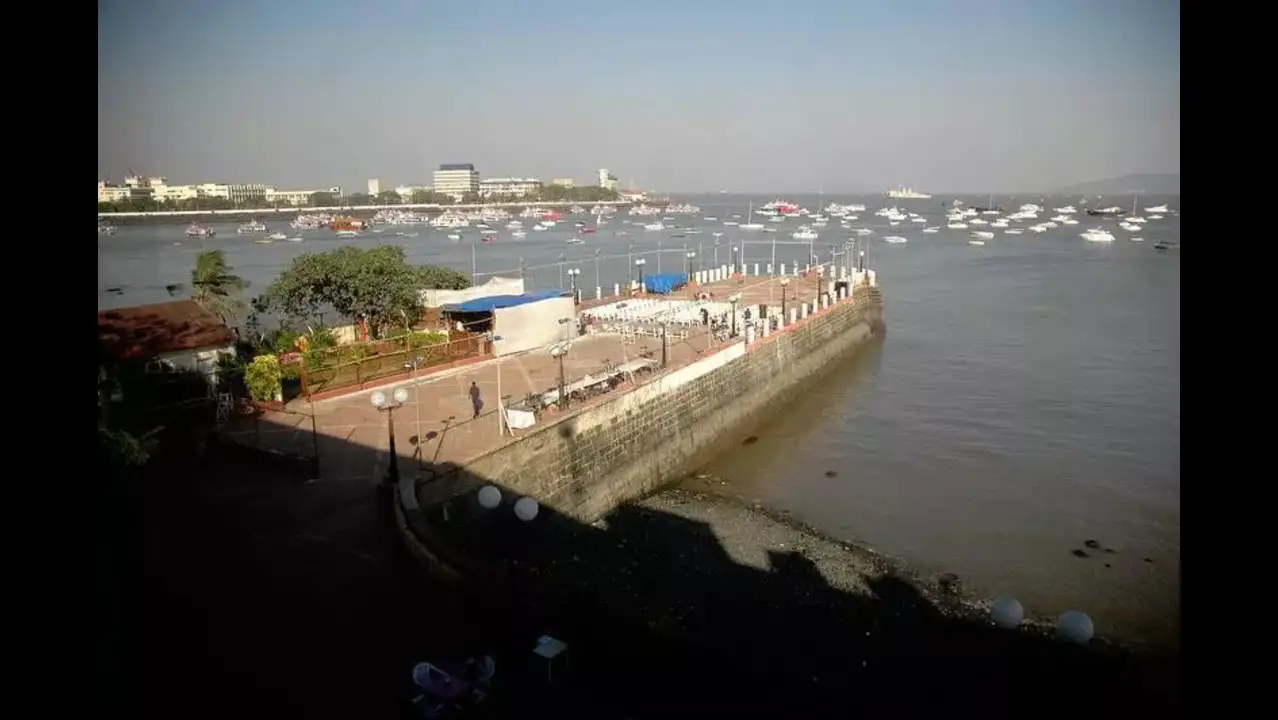
Mumbai Jetty Project Faces Heritage Opposition in Court
Mumbai’s ₹229-crore Gateway of India passenger jetty project, the Supreme Court on Tuesday declined to entertain a petition challenging its construction. The apex court deferred to the Bombay High Court, which is already seized of the matter, and urged an expedited hearing—ideally before the close of the monsoon season.
The case underscores a broader conflict between heritage preservation and the push for expanded coastal infrastructure in India’s financial capital. A collective of residents, under the Clean and Heritage Colaba Residents Association, has voiced strong opposition to the project. Their petition contends that the development—set near one of Mumbai’s most iconic landmarks—was undertaken without adequate public consultation, and could irreparably alter the cultural character of the waterfront.
Among their chief concerns is the jetty’s design, which includes VIP lounges and parking for approximately 150 cars. Critics have flagged this as symbolic of the growing privatisation of public space, alleging that the jetty primarily serves the needs of affluent individuals travelling by private ferries and yachts to weekend destinations such as Alibaug.The petitioners’ legal counsel argued that the project was emblematic of elite capture, bypassing democratic civic processes and turning a public utility into a luxury conduit for the privileged. They also cited a lack of transparent environmental impact assessments in a precinct already struggling with urban stress.
The Maharashtra Government, however, defended the initiative as a much-needed public infrastructure enhancement. It argued that the jetty will ease daily commutes across the Mumbai coastline, reduce congestion on roads, and advance the city’s long-term coastal mobility plan. According to officials, the facility is part of a broader strategy to tap into sea routes to connect underserved nodes such as Vashi and Dombivli with the island city.Chief Justice of India BR Gavai, who presided over the matter along with Justice AG Masih, declined to grant interim relief to the petitioners, noting that opposition to urban infrastructure often reflects the “not in my backyard” (NIMBY) sentiment. He cited the example of Mumbai’s Coastal Road, which faced similar resistance but has since dramatically improved intra-city connectivity.
The Chief Justice remarked that while concerns over heritage and environment are valid, they must be weighed against the larger public interest. He encouraged the Bombay High Court to resolve the matter on its merits, suggesting that unnecessary delays could hamper civic development in a city already grappling with mobility and environmental pressures.The Bombay High Court is set to take up the matter on 16 June. Until then, construction on the jetty remains a flashpoint between heritage advocates and planners championing multimodal public transport expansion.
The episode reflects deeper tensions in India’s megacities, where aspirations for modern infrastructure frequently collide with preservationist imperatives. As Mumbai reimagines its waterfront, the outcome of this legal challenge could set a precedent for balancing environmental sustainability, equitable access, and urban transformation.
Mumbai Jetty Project Faces Heritage Opposition in Court